Latest Highlight


စစ္အစုိးရလက္ထက္တြင္ ဗိုလ္ခ်ဳပ္မႉးႀကီး သန္းေရႊ၏ အမိန္႔အရ NLD ပါတီ၀င္မ်ားကုိ အျပစ္ရွာ ႏွိမ္နင္းခ့ဲသည္ဟု ျမန္မာစစ္ေထာက္လွမ္းေရးတပ္ဖဲြ႔တြင္ အရာရိွတစ္ဦးအျဖစ္ တာ၀န္ယူခ့ဲဖူးသူ ဦးေအာင္လင္းထြဋ္က VOA သတင္းဌာနကုိ မၾကာေသးမီက ေျပာလုိက္သည္။

၁၉၈၈ ႏွင့္ ၂၀၁၀ အတြင္း နုိင္ငံေရးသမားမ်ား ရည္ရြယ္ခ်က္ရိွရိွျဖင့္ ႏွိပ္ကြပ္ခံရပုံကုိ စစ္ေထာက္လွမ္းေရးအရာရိွေဟာင္းတစ္ဦးက ပထမဆုံးအႀကိမ္ ထုတ္ေဖာ္ေျပာဆုိလုိက္ျခင္း ျဖစ္သည္။

“NLD အျမစ္ျပတ္ေျခမႈန္းေရး က်ေနာ္တို႔ ကိုယ္တိုင္ မဟုတ္ေတာင္မွ က်ေနာ္တို႔အဖြဲ႔အစည္းက လုပ္ရတာကိုးဗ်။ NLDနဲ႔ ပတ္သက္လွ်င္ NLD ပါတီ၀င္ ေတြ ကို ေရျဖတ္၊ မီးျဖတ္ကအစ အျပစ္ရွာၿပီး လုပ္ခဲ့ရတာ။ မလုပ္လို႔ လည္းမရဘူး။ အာဏာရွင္တို႔ရဲ႕သေဘာ သဘာ၀အရ ခင္ဗ်ားသိတဲ့အတိုင္း၊ က်ဴပင္ခုတ္က်ဴငုတ္မက်န္၊ သားစဥ္ေျမးဆက္အကုန္လံုးကို ဒုကၡ ေပး တာ ကိုး” ဟု ဦးေအာင္လင္းထြဋ္က ေျပာဆုိေၾကာင္း VOA သတင္းဌာန ၀က္ဆုိက္တြင္ ေဖေဖာ္ဝါရီ ၁၈ ေန႔စဲြျဖင့္ ေဖာ္ျပထားသည္။

၁၉၉၆ ေနာက္ပုိင္းတြင္ ထုိသုိ႔ ႏိွမ္နင္းရန္ အမိန္႔ရခ့ဲျခင္းျဖစ္သည္ဟု ၎က ရွင္းျပသည္။

“ဗိုလ္ခ်ဳပ္မႉးႀကီးကေန က်ေနာ္တို႔ကို NLD ကို မင္းတို႔ အျမစ္ျပတ္ေျခမႈန္းရမယ္ ဆိုလို႔ ေထာက္လွမ္းေရးက လူမိုက္အငွားခံခဲ့ရတဲ့ အေနအထားမ်ိဳး ရိွပါတယ္” ဟု စစ္ေထာက္လွမ္းေရး အရာရိွေဟာင္း ဦးေအာင္လင္းထြဋ္က ေျပာသည္။

ထုိသုိ႔ ေခ်မႈန္းခံရေသာ္လည္း NLD ပါတီ၀င္မ်ား၊ နုိင္ငံေရးသမား အမ်ားအျပား ဒီမုိကေရစီလႈပ္ရွားမႈတြင္ တစ္စုိက္မတ္မတ္ ပါ၀င္ခ့ဲၾကသည္။

ဗုိလ္မွဴးေဟာင္း ဦးေအာင္လင္းထြဋ္က ဆက္လက္ ေျပာၾကားရာ ျမန္မာျပည္တြင္ စစ္သားမ်ားက အႏုိင္က်င့္တတ္သည့္ စရုိက္ရိွသည္ဟု ဆုိသည္။

“စစ္သားဆိုတာ တပ္ရင္းမႉး၊ တပ္စုမႉးက ေတာမွာ ဗိုလ္က်ခ်င္တိုင္း က်ၾကတယ္ဗ်ာ။ ၿမိဳ႕ေပၚတက္ေတာ့လည္း အဲဒီအက်င့္က ပါေနတုန္းပဲ။ ဒီအက်င့္ေတြက ခုထိ မေပ်ာက္ေသးဘူးဗ်။ အဲဒီေတာ့ ဒီအက်င့္ေတြ ေပ်ာက္ဖို႔ဆိုတာ တပ္မေတာ္ကိုလည္း ျပင္ဖို႔ ဆင္ဖို႔ train လုပ္ဖို႔ က လိုတယ္ဗ်” ဟု သူက ရွင္းျပသည္။

သုိ႔ေသာ္လည္း စစ္တပ္တြင္ တုိးတက္ျဖစ္ထြန္းမႈတခုရိွေၾကာင္း သူက ေထာက္ျပသည္။

“ဒီေန႔ ၾကားရတဲ့သတင္းမွာ ကခ်င္ျပည္နယ္မွာ အမ်ိဳးသမီးတစ္ေယာက္ကို ဖမ္း ထားၿပီးမွ ျပန္မလႊတ္တဲ့ကိစၥကို ေနျပည္ေတာ္မွာ တရားရံုးတင္မယ္ဆိုတာ ဒါေကာင္းတဲ့ သတင္းပါ” ဟု သူက ေျပာသည္။

“ေတာထဲမွာ လူမသိသူမသိ အသတ္ခံရ မုဒိန္းက်င့္ ခံရတာေတြအမ်ားႀကီး ရိွခဲ့တယ္။ ဒါေတြကို အေရးယူေပး ရမယ္” ဟုလည္း သူက ေျပာျပသည္။

ဦးေအာင္လင္းထြဋ္သည္ အေမရိကန္ျပည္ေထာင္စုတြင္ ေနထုိင္လ်က္ရိွသည္။

၀ါရွင္တန္ရိွ ျမန္မာသံရုံးတြင္ သံတမန္တစ္ဦးအျဖစ္ ဦးေအာင္လင္းထြဋ္ တာ၀န္ယူစဥ္ စစ္ေထာက္လွမ္းေရးအရာရိွမ်ားကုိ ျမန္မာျပည္တြင္ ဖမ္းဆီးအက်ဥ္းခ်သည့္ ၂၀၀၅ ခုႏွစ္တြင္ ဦးေအာင္လင္းထြဋ္က အေမရိကန္တြင္ ခုိလႈံခြင့္ ေတာင္းလုိက္သည္။

ဇနီး၊ သား တစ္ဦး၊ သမီး ႏွစ္ဦး၊ ႏွမ (သုိ႔မဟုတ္ အစ္မ) တဦး တုိ႔ႏွင့္ အတူ ခုိလႈံခြင့္ ေတာင္းခံျခင္း ျဖစ္ေၾကာင္း၊ သူ၏ အတိတ္ကာလ စစ္ဘက္ဆုိင္ရာ တာ၀န္ထမ္းေဆာင္မႈမ်ားေၾကာင့္ ခုိလႈံခြင့္ ျငင္းပယ္ခံထားရေၾကာင္း၊ သုိ႔ေသာ္လည္း ၎တုိ႔အား ေနထုိင္ခြင့္ ျပဳထားေၾကာင္း Asia-Pacific Defense Forum စစ္ဘက္ဆုိင္ရာ မဂၢဇင္း၏ အင္တာနက္ စာမ်က္ႏွာတြင္ ေရးသား ေဖာ္ျပထားသည္။

Source : မုိးမခ

Day three of the ASEAN Secretariat visit to Myanmar was a physically taxing day. The team of eight, led by ASEAN Secretary-General, Dr Surin Pitsuwan, covered more than 220 km outside Yangon for over 12 hours—from noon through midnight—on the rural roads of the fabled Irrawaddy Delta.

It was not a sight-seeing tour to explore the beautiful landscape of Myanmar, but a reunion with charming old friends in two remote villages.


First stop was the village of Daw Nyein, some 110 km deep in the southern Irrawaddy region. In the aftermath of the Typhoon Nargis Disaster in 2008, Thai Princess Siridhorn donated funds to build a medical station here. The hospital covers an area measuring more than 50 square miles, standing proudly against the backdrop of wide, open rice fields. The Daw Nyein Station hospital now boasts facilities like 16 spacious airy bed spaces, delivery room, recovery rooms, an operating theatre, and a pharmacy. Saudi Arabia has donated an ambulance, a critically important contribution considering the long distance patients need to travel to make their way here, and the hospital could do with more transport back-up to operate even more effectively. It’s an area where any kind donations would be deeply appreciated by more than 56,000 villagers served by the hospital.

For around 500 villagers whom the team met with, the station hospital and the two-storey Cyclone Relief Shelter – which now doubles up as a school – are the most concrete signs that they were not left to fend for themselves when Cyclone Nargis devastated the region and killed over 140,000 villagers –young and old.

While their lives may not be luxurious by many standards, the little shops that dot the Daw Nyein village; and the curious, shy, but absolutely adorable children lining the streets; are encouraging signs that the “Golden Village”, as the original Mon name means, are starting to rebuild their lives.

“Things are certainly so much better now,” said Dr William Sabandar, Director of Corporate Affairs of ASEAN Secretariat, as he recalled the deaths and destruction that confronted villagers and relief workers in 2008.

Dr William was a point person at the ASEAN relief efforts in 2008. A disaster relief veteran who was baptized by the Boxing Day Tsunami that swept Indonesia’s northern Aceh province in 2004, Dr William, the Special Envoy of the ASEAN SG; and Adelina Kemal, Assistant Director of Disaster Management & Humanitarian of ASEAN Secretariat – armed with the blessings of Dr Surin, the ASEAN Member States, as well as the Myanmar government, consequently spent two years personally directing the relief efforts in Myanmar.

This explains their delight in seeing the noisy, cheering children in not one, but two villages. The trip to the village of Tha Leik Gyi near the town of Phyar Phon, was a happy home-coming. For both, memories of their days here came flooding back. Seeing the villagers healthy and cheerful was the best assurance that the relief team had done good work here.

The entire village was there to greet Dr Surin and his delegation. Almost every adult and children squeezed into the village school but they showed no signs of fatigue. Everyone roared and screamed, as Dr Surin led them in cheering “Cyclone, No More!” and “ASEAN, Yes Yes !”

It may sound simple but the cheers had conveyed the good wishes of the delegation as well as the villagers.

“This is what I call ASEAN for the people,” said a beaming Dr Surin. “When Cyclone Nargis hit you, all 10 countries of ASEAN were with you. Many friends – such as Australia, Norway, the EU, Japan, the UK, the US, and the World Bank – were also with you. The world rushed in at the first opportunity to help as much as we possibly could and we are happy to see that you are well today. That means a lot to us,” he expressed as the children jumped up, and broke into another round of wild cheering – even before the translator could finish. The message of good wishes and delight had crossed the language barrier, and the children obviously felt the caring smile and upbeat tone.

Earlier that day, the team was also encouraged when they called on Myanmar opposition leader, Ms Aung San Suu Kyi. In a joint media interview with Dr Surin, Ms Suu Kyi said she does not believe in “retributive justice”.

“I am a great admirer of Desmond Tutu of South Africa, and I do not believe in retributive justice,” said Ms Suu Kyi, giving a clear indication that she would not pursue criminal trials against the military leaders.

As to Myanmar’s current reform efforts, she urged ASEAN to help bridge her country to the world. Despite being cautious about the pace, depth, and direction of current reforms, she was certain that Myanmar could easily be the most advanced and prosperous member of ASEAN.

“We have built bridges, and we are certainly ready to do that for any ASEAN member. Our reunion with our old friends in the Irrawaddy shows we have cultivated strong ties by changing people’s lives, and that has generated tremendous goodwill within our family, and with our partners. This experience will put us in good stead to do the same again when needed. At the end of the day, ASEAN exists to improve the lives of our people. That is the very foundation of our grouping,” said Dr Surin.

source here


ျပည္သူ႔လႊတ္ေတာ္ဥကၠ႒ သူရဦးေရႊမန္း ယူနန္ႏိုင္ငံျခားေရးရုံး ညႊန္ၾကားေရးမွဴးခ်ဳပ္၊ ယူနန္ျပည္နယ္ ျပည္နယ္ျပည္သူ႔ကြန္ဂရက္ ႏိုင္ငံျာခးေရးဌာနမွဴးတို႔ႏွင့္ ေတြ႕ဆုံေဆြးေႏြးေနစဥ္

ျပည္သူ႔လႊတ္ေတာ္ဥကၠ႒ သူရဦးေရႊမန္းႏႇင့္ ကိုယ္စားလႇယ္မ်ားသည္ တ႐ုတ္ျပည္သူ႔သမၼတႏိုင္ငံ အမ်ဳိးသားျပည္သူ႔ကြန္ဂရက္ဥကၠ႒ Wu Bangguo ၏ ဖိတ္ၾကားခ်က္အရ ျမန္မာႏိုင္ငံမႇ ေဖေဖာ္၀ါရီလ ၂၂ ရက္ေန႔က ထြက္ခြာလာခဲ့ၿပီး ယခုအခါ တ႐ုတ္ျပည္သူ႔သမၼတႏိုင္ငံ ေပက်င္းၿမိဳ႕သုိ႔ ေရာက္ရႇိေနၿပီ ျဖစ္သည္။
ျပည္သူ့လႊတ္ေတာ္ဥကၠ႒ သူရဦးေရႊမန္းႏႇင့္ကိုယ္စားလႇယ္မ်ားသည္ ေဖေဖာ္၀ါရီလ ၂၂ ရက္ေန႔မႇ ၂၆ ရက္ေန႔အထိ တ႐ုတ္ျပည္သူ႔သမၼတႏိုင္ငံသုိ႔ ခ်စ္ၾကည္ေရးခရီးအျဖစ္ တ႐ုတ္ျပည္သူ႔သမၼတႏိုင္ငံ အမ်ဳိးသားျပည္သူ႔ ကြန္ဂရက္ ဥကၠ႒ Wu Bangguo ၏ ဖိတ္ၾကားခ်က္အရ ေရာက္ရႇိေနျခင္းျဖစ္သည္။

အဆိုပါ ခ်စ္ၾကည္ေရးခရီးစဥ္အတြင္း ျမန္မာ-တ႐ုတ္ႏႇစ္ႏိုင္ငံ ခ်စ္ၾကည္ရင္းႏႇီးမႈ၊ ပူးေပါင္းေဆာင္ရြက္မႈ ပိုမိုတိုးတက္ခိုင္မာေရးႏႇင့္ ျပည္သူ႔လႊတ္ေတာ္ႏႇင့္ တ႐ုတ္ျပည္သူ႔သမၼတႏိုင္ငံ အမ်ဳိးသားျပည္သူ႔ကြန္ဂရက္တို႔အၾကား ခ်စ္ခင္ရင္းႏႇီးမႈ၊ ပူးေပါင္းေဆာင္ရြက္မႈမ်ား ပိုမိုတိုးတက္ျမင့္မားေရးအတြက္ ေဆာင္ရြက္သြားမည္ျဖစ္ေၾကာင္း သိရသည္။


ျမန္မာႏိုင္ငံမႇ တ႐ုတ္ျပည္သူ႔သမၼတႏိုင္ငံသုိ႔ ေလေၾကာင္းမႇလာေရာက္စဥ္အတြင္း ကူမင္းေလဆိပ္၌ ေခတၲရပ္နားစဥ္ ျပည္သူ႔လႊတ္ေတာ္ဥကၠ႒ သူရဦးေရႊမန္းႏႇင့္ကိုယ္စားလႇယ္မ်ားသည္ ယူနန္ႏိုင္ငံျခားေရး႐ုံး ညႊန္ၾကားေရးမႇဴးခ်ဳပ္၊ ယူနန္ ျပည္နယ္၊ ျပည္နယ္ျပည္သူ႔ကြန္ဂ ရက္ႏိုင္ငံျခားေရးဌာနမႇဴးတို႔ႏႇင့္ ေတြ႔ဆုံေဆြးေႏြးမႈမ်ား နာရီ၀က္ခန္႔ျပဳလုပ္ခဲ့ၿပီး ျမန္မာႏိုင္ငံရႇိ လႊတ္ေတာ္ဖြဲ႔စည္းပုံမ်ား၊ တ႐ုတ္ျပည္သူ႔သမၼတႏိုင္ငံ ကြန္ဂရက္ဖြဲ႔စည္းပုံတို႔ကို ရႇင္းလင္းေဆြးေႏြးမႈမ်ား ျပဳလုပ္ခဲ့ၾကသည္။
ေဖေဖာ္၀ါရီလ ၂၃ ရက္ေန႔ ညေနပိုင္းတြင္ တ႐ုတ္ျပည္သူ႔လြတ္ေျမာက္ေရးတပ္မေတာ္ စစ္ဦးစီးခ်ဳပ္ ဗိုလ္ခ်ဳပ္ႀကီး Chen Bing De ႏႇင့္ ေတြ႔ဆုံေဆြးေႏြးရန္ရႇိေၾကာင္း သိရသည္။

Source :EMG

_________________________________________________________

နယ္စပ္လံုျခံုရန္ သူရ ဦး​ေရႊမန္း​ကို တရုတ္ ​ေတာင္း​ဆို


ျမန္မာအစိုး​ရအ​ေနနဲ့​ နယ္စပ္​ေဒသလံုျခံု​ေရး​ကို ​ေသခ်ာ​ေအာင္ ​ေဆာင္ရြက္ဖို့​တရုတ္အစိုး​ရက ​ေတာင္း​ဆိုလိုက္ပါတယ္။
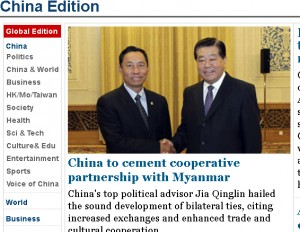
တရုတ္နိုင္ငံမွာ ​ေရာက္ရွိ​ေနတဲ့​ ျပည္သူ့​လႊတ္​ေတာ္ ဥကၠ႒ သူရဦး​ေရႊမန္း​ကို တရုတ္အစိုး​ရ နိုင္ငံ​ေရး​အၾကံ​ေပး​အဖြဲ့​ အႀကီး​အကဲ ဂ်ာခ်င္လင္း​ (Jia Qinglin) က ​ေျပာၾကား​ခဲ့​တာပါ။
ျမန္မာအစိုး​ ရဟာ တိုင္း​ရင္း​သား​ေတြနဲ့​ ျဖစ္ပြား​ေနတဲ့​ ပဋိပကၡကို ၿငိမ္း​ခ်မ္း​တဲ့​နည္း​နဲ့​ ​ေျဖရွင္း​နိုင္လိမ့္​မယ္လို့​ တရုတ္အစိုး​ရက ​ေမ်ွာ္လင့္​တဲ့​ အ​ေၾကာင္း​ တရုတ္နိ္ဳင္ငံျခား​ေရး​ဌာနရဲ့​ ​ေျပာဆိုခ်က္ကို ကိုး​ကား​ၿပီး​ ​ေအပီသတင္း​မွာ ​ေဖာ္ျပပါတယ္။
တရုတ္နယ္စပ္မွာ ျမန္မာအစိုး​ရနဲ့​ ကခ်င္လက္နက္ကိုင္တပ္​ေတြ တိုက္ပြဲ​ေတြ​ေၾကာင့္​ ဒုကၡသည္​ေတြ တရုတ္နိုင္ငံထဲထိ ​ေရာက္ရွိလာမႈနဲ့​ ထိုင္း​-ျမန္မာ နယ္စပ္ မဲ​ေခါင္ျမစ္ထဲမွာ တရုတ္သ​ေဘၤာ​ေတြ တိုက္ခိုက္ခံရမႈ​ေတြ​ေၾကာင့္​ တရုတ္က နယ္စပ္လံုျခံု​ေရး​ စိုး​ရိမ္ပူပန္​ေနတာပါ။
တရုတ္အစိုး​ ရပိုင္ ဆင္ဟြာသတင္း​မွာ​ေတာ့​ တရုတ္အစိုး​ရ အၾကံ​ေပး​ပုဂၢိဳလ္ ဂ်ာခ်င္လင္း​က ျမန္မာနိုင္ငံနဲ့​ ကုန္သြယ္​ေရး​၊​ ယဉ္​ေက်း​မႈ က႑​ေတြမွာ ပူး​ေပါင္း​ ​ေဆာင္ရြက္​ေရး​ အပါအဝင္ မဟာဗ်ူဟာ​ေျမာက္ ဆက္ဆံ​ေရး​ကို တိုး​ျမွင့္​ ​ေဆာင္ရြက္မယ္လို့​ ကတိျပု ​ေျပာၾကား​လိုက္ပါတယ္။
ျမန္မာနိုင္ငံရဲ့ ​ ရင္း​ႏွီး​တဲ့​ အိမ္နီး​ခ်င္း​နိုင္ငံအျဖစ္ တရုတ္နိုင္ငံဟာ ျမန္မာနိုင္ငံရဲ့​ ဖြံ့​ၿဖိုး​ေရး​လမ္း​ေၾကာင္း​ကို ​ေထာက္ခံအား​ေပး​ၿပီး​ နိုင္ငံတည္ၿငိမ္ဖြံ့​ၿဖိုး​ေရး​ အား​ထုတ္​ေနမႈ​ေတြကိုလည္း​ ဆက္လက္ အား​ေပး​ေနမယ္လို့​ေျပာပါတယ္။
နယ္စပ္​ေဒသ ၿငိမ္း​ခ်မ္း​တည္ၿငိမ္​ေရး​ကို အကာအကြယ္​ေပး​ဖို့​ ကိစၥဟာ ႏွစ္နိုင္ငံစလံုး​ရဲ့​ ဘံုအက်ိဳး​စီး​ပြား​ ျဖစ္တယ္လို့​လည္း​ ဆိုပါတယ္။
ျမန္မာကိုယ္စား ​လွယ္ အဖြဲ့​ေခါင္း​ေဆာင္ သူရဦး​ေရႊမန္း​က​ေတာ့​ ယခုႏွစ္ပိုင္း​ေတြအတြင္း​ ျမန္မာနိုင္ငံအ​ေပၚ တရုတ္ရဲ့​ အား​ေပး​ ​ေထာက္ခံမႈကို ​ေက်း​ဇူး​တင္တဲ့​အ​ေၾကာင္း​ အစိုး​ရနဲ့​ ျပည္သူ​ေတြဟာ တရုတ္နဲ့​ ခ်စ္ၾကည္​ေရး​ကို တန္ဖိုး​ထား​တယ္လို့​ တံု့​ျပန္​ေျပာၾကား​ခဲ့​ပါတယ္။
သူရ​ေရႊမန္း​ ေခါင္း​ေဆာင္တဲ့​ ျမန္မာကိုယ္စား​လွယ္အဖြဲ့​ဟာ တရုတ္ အမ်ိဳး​သား​ျပည္သူ့​ ကြန္ဂရက္ဥကၠ႒ ဝူဘန္ကို့​ရဲ့​ ဖိတ္ၾကား​ခ်က္အရ ျမန္မာနိုင္ငံက​ေန ​ေဖ​ေဖာ္ဝါရီ ၂၂ – ၂၆ ရက္အထိ ၅ ရက္ခရီး​စဉ္ အျဖစ္ ​ေရာက္ရွိ ​ေနတာပါ။
ဒီခရီး​ စဉ္အတြင္း​ တရုတ္ျပည္သူ့​လြတ္​ေျမာက္​ေရး​တပ္ စစ္ဦး​စီး​ခ်ုပ္ အပါအဝင္ တရုတ္ စစ္ဘက္ဆိုင္ရာ အရာရွိ​ေတြနဲ့​လည္း​ ​ေတြ႕​ဆံုခဲ့​ပါတယ္။
Source :ဒီဗီြဘီ


 ျမန္မာႏုိင္ငံမွာ အေျပာင္းအလဲ ေတြ႔ေနရေပမယ့္ စစ္တပ္ထိန္းခ်ဳပ္မႈမ်ားတဲ့ ေနရာေတြမွာ အေျခခံက်တဲ့ အေျပာင္းအလဲမေတြ႔ရဘဲ လူ႔အခြင့္အေရး ခ်ိဳးေဖာက္မႈေတြ အရင္အတိုင္း ဆက္ေပၚေပါက္ေနေသးတယ္လို႔ အေမရိကန္ျပည္ေထာင္စု အေျခစိုက္ HRW လူ႔အခြင့္အေရး ေစာင့္ၾကည့္အဖြဲ႔ရဲ႕ အႀကီးတန္းသုေတသီ မစၥတာ ေဒးဗစ္မက္သီဆင္ (David Matheson) က ေျပာလိုက္ပါတယ္။


Photos courtesy of Human Rights Watch

၂၀၁၂ ခုႏွစ္ ေဖေဖာ္ဝါရီလ ၂၃ ရက္တြင္ လူ႔အခြင့္အေရး ေစာင့္ၾကည့္အဖြဲ႔ ( HRW) အႀကီးတန္းသုေတသီ မစၥတာ ေဒးဗစ္မက္သီဆင္(ယာ)က ျမန္မာႏိုင္ငံ၏ လူ႔အခြင္႔အေရးႏွင္႔ ပတ္သက္၍ ၎၏အေတြ႔အၾကံဳကို ရွင္းလင္းေနစဥ္။


ေဒးဗစ္ မက္သီဆင္ဟာ ျမန္မာႏိုင္ငံကို မၾကာေသးခင္က သြားေရာက္ ေလ့လာခဲ့ပါတယ္။ မေန႔က ဝါရွင္တန္ ဒီစီၿမိဳ႕မွာ က်င္းပခဲ့တဲ့ သူ႔ခရီးစဥ္ အေတြ႔အၾကံဳ ရွင္းလင္းပြဲမွာ ျမန္မာအစိုးရကို လက္နက္ကိုင္ ဆန္႔က်င္ေနတဲ့ အဖြဲ႔ေတြဘက္ကလည္း လူ႔အခြင့္အေရးနဲ႔ ပတ္သက္ၿပီး ထိန္းသိမ္းဖို႔ လိုအပ္ေနေသးတယ္လို႔ ေျပာဆိုခဲ့ပါတယ္။

ဒါ့အျပင္ အက်ဥ္းေထာင္ေတြထဲမွာ က်န္ရွိေနေသးတဲ့ ႏုိင္ငံေရး အက်ဥ္းသားေတြ လြတ္ေျမာက္ေရးကို ႏိုင္ငံတကာ အသိုင္းအဝိုင္းက ဆက္လက္ တြန္းအားေပးရမွာ ျဖစ္ေၾကာင္း၊ ဒီအတြက္ အျပည္ျပည္ဆိုင္ရာ ၾကက္ေျခနီအဖြဲ႔ ICRC ကို အက်ဥ္းေထာင္ေတြထဲ ဝင္ေရာက္ စစ္ေဆးခြင့္ျပဳၿပီး ႏုိင္ငံေရး အက်ဥ္းသားစာရင္း အတိအက် ရရွိေအာင္ ႀကိဳးပမ္းဖို႔ လိုအပ္ေၾကာင္း ေဒးဗစ္မက္သီဆင္က ေျပာဆိုပါတယ္။

ျမန္မာႏုိင္ငံ ခရီးစဥ္အတြင္း ရန္ကုန္ၿမိဳ႕အေျခစိုက္ သံတမန္ေတြ၊ ကုလသမဂၢအဖြဲ႕ေတြ၊ ကခ်င္ျပည္နယ္အတြင္း လႈပ္ရွားေဆာင္ရြက္ေနၾကတဲ့ လူမႈေရးအဖြဲ႔ေတြ၊ ၈၈ မ်ိဳးဆက္ ေက်ာင္းသားေခါင္းေဆာင္ေတြ၊ ျပည္တြင္း သတင္းေထာက္ေတြနဲ႔လည္း ေတြ႔ဆံုခဲ့ပါတယ္။

ခရီးစဥ္ အေတြ႔အၾကံဳအရ အရင္က ထုတ္ေဖာ္ မေျပာဆိုရဲခဲ့တဲ့ ျမန္မာႏိုင္ငံက လူ႔အခြင့္အေရး ခ်ိဳးေဖာက္မႈေတြကို အခုဆိုရင္ လူေတာ္ေတာ္မ်ားမ်ားက ေျပာရဲဆိုရဲလာၾကတာ ေတြ႔ရသလို၊ စစ္တပ္မွာ လူ႔အခြင့္အေရး ခ်ိဳးေဖာက္မႈေတြ ရွိေနတာကို အစိုးရ ထိပ္ပိုင္းေခါင္းေဆာင္ေတြ ကိုယ္တိုင္က ေျပာဆိုလာတာ ေတြ႔ရတယ္လို႔ ေျပာပါတယ္။ အရင္က မေဖာ္ျပႏိုင္တဲ့ သတင္းမ်ိဳးေတြကို အခုဆိုရင္ ထုတ္ေဖာ္ေရးသား ေျပာဆိုခြင့္ ရလာတာ ေတြ႔ရတဲ့အတြက္ သတင္းမီဒီယာရဲ႕အေျပာင္းအလဲကိုလည္း ေတြ႔ခဲ့ရတယ္လို႔ ဆိုပါတယ္။

ဘယ္လိုပဲျဖစ္ျဖစ္ ျမန္မာႏုိင္ငံက ျဖစ္ေပၚေျပာင္းလဲမႈေတြ ရပ္တန္႔ မသြားေအာင္ စစ္တပ္နဲ႔ လက္နက္ကိုင္အဖြဲ႔ေတြကို ေျပာင္းလဲဖို႔ မျဖစ္မေန လိုအပ္တယ္လို႔ ေဒးဗစ္ မက္သီဆင္က ေျပာဆိုခဲ့ပါတယ္။

Source : RFA Burmese


Rohingya children in Maungdaw, northern Rakhine state.
Images: Eric Paulsen

In the midst of the cautious excitement accompanying Burma’s seeming democratic transition, one of the key human rights issues that international leaders and Burma’s pro-democratic and ethnic activists have failed to address is the continuing statelessness and marginalisation of the Rohingya, the Muslim ethnic minority concentrated in northern Rakhine state, bordering Bangladesh. Rakhine (formerly known as Arakan), one of the poorest and most isolated states in Burma, is home to some 800,000 Rohingya, who are among the world’s most persecuted communities, on par with the Roma in Europe and the Hmong in Laos. They have remained stateless for decades, with neither home nor citizenship, popping up on the world’s consciousness only when a humanitarian crisis strikes. The most recent such crisis occurred in January 2011 when yet another boatload of Rohingya emigrants was detained in Thai waters, towed away by the Thai Navy and left to die in the open sea without an engine, food or water.

The Burmese population of some 58 million people is commonly defined in laws and government policies as comprising eight major ‘ethnic nationalities’: the Bamar (Burman), Chin, Kachin, Kayah, Kayin (Karen), Mon, Rakhine (Arakan) and Shan (although they are further divided into 135 sub-ethnic groups). ‘Non-national’ ethnic groups – including the Rohingya, but also people of Chinese, Indian and Nepali origin – were burdened with proving their continued permanent residence in the country in order to claim full citizenship. Those claiming full citizenship were required to prove ancestral residence from prior to the start of the British occupation in 1823, while those seeking naturalised citizenship had to show continued residence predating 4 January 1948, the date of Burma’s independence. Of course, many were unable to provide such detailed evidence.

In practice, Burmese immigration authorities have been reluctant to grant full citizenship to people suspected to be of non-national ethnic origin or of having mixed heritage. Burmese officials constantly refer to such groups as guests, foreigners, suspicious citizens or even ‘half-breeds’, even though there is no genuine issue as to whether these people are Burmese nationals. Immigration bureaucrats have been known to use all manner of excuses and discretionary powers to reject or delay citizenship applications, often in order to obtain bribes, even in cases where applicants are fully eligible. The prospect of gaining citizenship often depends on an individual’s or group’s perceived degree of integration into ‘national’ Burmese society, forcing non-national groups to strive towards complete assimilation.

Statelessness and persecution


The Rohingya, meanwhile, are denied Burmese citizenship even though they have lived in Burma for generations. They are accorded only ‘permanent resident’ status, with the majority holding a Temporary Registration Certificate instead of the Citizenship Scrutiny Card issued to full citizens. Because the Rohingya are related to the Bengalis of Chittagong, the Burmese government claims that they are ethnic Bengalis who arrived unchecked from India during British rule, and more recently from Bangladesh. In January 2011, when Burma underwent its first universal review by the UN Human Rights Council, the Burmese delegation maintained the government’s long-standing view on the issue: ‘The allegation regarding the discrimination and harassment against the local population of Northern Rakhine State is contrary to the facts. Historically and culturally those people do not constitute any national race and are illegal immigrants residing along the border areas of Northern Rakhine State.’

The Rohingya suffer from serious state discrimination and degrading practices. These include arbitrary arrest and detention, forced labour, arbitrary taxation, extortion, travel restrictions, expropriation of property and poor access to higher education. Historically, they have also suffered tremendously from state violence. In 1978, over 200,000 Rohingya fled into Bangladesh during the naga min (Dragon King) citizenship scrutiny operation, which at times turned violent and deadly. A similar operation called the pyi thaya (Clean and Beautiful Nation) caused an additional 250,000 Rohingya to flee in 1991 and 1992. Most were eventually allowed to return following international pressure, but more than 28,700 Rohingya still remain in refugee camps in Bangladesh, while the Dhaka government estimates that another 200,000 are living in villages outside the camps. Not surprisingly, today many Rohingya try to flee in order to seek asylum and a better life elsewhere, making the dangerous journey to Thailand, Malaysia or Australia in overcrowded and rickety boats. There are an estimated 50,000 Rohingya refugees in Malaysia, and half a million more living as migrant workers in West Asia.

It is difficult to understand the origin of Burma’s animosity toward the Rohingya, whom the Burmese consider to be beneath even the kala (foreigners) of Indian origin, who already face considerable discrimination. The simplest explanations are undercurrents of racism and Islamophobia, founded on the Rohingya’s dark skin and Muslim identity in an overwhelmingly Buddhist country. The Rohingya’s general isolation from the mainstream Rakhine and Bamar population is also a contributing factor, but such isolation is not substantially different from that of other minorities who have fractious relations with the Burmese state but who are not treated with the same level of prejudice.


A Rohingya family photo taken by the local authorities as proof of residency in Maungdaw. Those not at home when the photos are taken risk being punished or struck off as a resident.


To justify its treatment of the Rohingya, the Burmese state claims its policies are aimed at ensuring national security and preventing illegal immigration from Bangladesh. But these strike many as poor explanations. Rakhine, like Burma’s other border regions, is populated on both sides of the state line by members of the same ethnic group. For example, ethnic Chin and Naga are also present in India; Kachin, Wa and Shan in China; Karen, Mon and Shan in Thailand. Many of these groups, including the Rakhine, enjoy trade, family ties and relaxed cross-border movement that the Burmese government has done little to control. Further, Muslim armed resistance has been insignificant since the 1950s, and has never compared with the well-established ethnic armed groups that continue to operate in Kachin, Kayin and Shan states.

The naturalisation solution
Technically, citizenship laws – mainly the 1982 Burma Citizenship Law – do not exclude Rohingya from acquiring naturalised citizenship. In practice, however, the overwhelming majority of the community hold only temporary documents, or are without any documents whatsoever. Those who manage to acquire naturalised or full citizenship rely on individual connections. Though these documents are technically obtained through legal channels, the Rohingya still risk being accused of falsely acquiring identity documents, as the official policy holds that all ‘Bengalis’ in Rakhine are only entitled to temporary documents.

As a solution, some Rohingya have demanded that they be recognised as a national ethnic group and be granted citizenship by birthright. The thought here is that anything less opens the possibility of future revocation. However, Rohingya who do not have the means or connections to acquire better documentation, but need identification paper for travel and employment, still welcome the possibility of naturalised citizenship.

Naturalised citizenship would go some way toward reducing the Burmese government’s arbitrary and discriminatory practices. Unless restrictive caveats remain, it would improve the Rohingya’s ability to travel, to acquire a passport and to access higher education. Hindus of Indian origin in Rakhine who recently obtained naturalised citizenship have said they are now able to travel more freely. There are murmurings that the Burmese government may also be considering naturalised citizenship or some status other than permanent residency for the Rohingya. It does not make good policy, after all, to exclude only the Rohingya while Indian-origin Hindus in Rakhine with similar eligibility are granted naturalised citizenship. In today’s era of new scrutiny by the outside world, such discrepancies matter.

Most significantly, the citizenship laws on the books already provide that after three generations, all descendants of naturalised citizens are to be granted full citizenship. These provisions have yet to be tested, however, and it will take some more time before the third generations of naturalised citizens are eligible to make such a claim. Of course, there is no guarantee that naturalised citizenship for the Rohingya, if it were to be granted, would not be revoked in the future on some flimsy pretext, or that their third generation would be able to acquire full citizenship. Nonetheless, at this point, surely the possibility of entrenching their status as naturalised citizens far outweighs any potential revocation. As such, if given the opportunity, the Rohingya should take advantage of the ongoing democratic transition to advocate for their rightful place in Burma, and to work towards the achievable goal of naturalised citizenship status rather than wait for national recognition as an ethnic group, which is highly improbable if not impossible.

To not be left behind
This is an important point to stress: the idea that the Rohingya could suddenly be accepted as a national ethnic group in Burma cannot be taken seriously. In general, Rohingya groups have been isolated and excluded from multilateral discussions, both within Burma and beyond. They have little to no public or political support from any other ethnic group or from Burma’s opposition and exile groups, and certainly none from the Rakhine ethnic majority in the state, where deep suspicion and hostility remain.

Seemingly innocuous events have recently highlighted the deep division between the Rohingya and the general Burmese population. In November 2011, a BBC report that carried a map depicting Rakhine as populated by Rohingya sparked outrage in Burma, especially in the state. This led to hundreds of complaints, many of which were harsh, nationalistic and racist in nature, calling on the BBC to issue a public apology and remove any reference to the Rohingya from the map. Since the incident, anti-Rohingya blogs and social-networking pages have appeared.

The view of Ye Myint Aung, Myanmar’s consul-general in Hong Kong at the time, expressed in a letter to his fellow heads of mission and international newspapers in February 2009, perhaps best puts the dynamic into perspective: ‘In reality, Rohingya are neither “Myanmar People” nor Myanmar’s ethnic group. You will see in the photos that their complexion is “dark brown”. The complexion of Myanmar people is fair and soft, good looking as well … [The Rohingya] are as ugly as ogres.’

Since then, at least at the national level, the tone of many political discussions in Burma has changed. Yet even if discussions do begin on reconciliation and ethnic minorities’ demands for a fairer and more equitable Union of Burma – and even if the Rohingya are invited to participate – it is unlikely that such talks would make inroads toward the community becoming an official national ethnic group, much less being granted ethnic autonomy and federalism. Aung Sang Suu Kyi and the National League for Democracy (NLD) currently have an extraordinary opportunity to include the Rohingya in the new democratic process, but the NLD has shown no indication that this issue is a priority. According to the stated views of NLD Vice-chairman Tin Oo, for instance, the prospects of the party reaching out to the Rohingya do not seem very high. In an interview in October 2011, Oo reaffirmed the government line that the Rohingya are immigrants from Bangladesh, and further stated that, when he was a general in the Myanmar Army, he had helped to protect ethnic Rakhine from Rohingya ‘threats’.

This should not discourage the Rohingya from demanding greater rights and equality. But in so doing, they should not take an ‘all or nothing’ stance. Doing so could not only prove counterproductive to their welfare but also perpetuate the community’s suffering and inequality. The Rohingya should seize the current opportunity and ride the ongoing democratic wave which has led to the release of political prisoners, the legalisation of the NLD, an attempted reconciliation with ethnic armed groups, a freer media, and even the halt of a mega-dam project. Failing this, the Rohingya will once again be left behind. Of course, naturalised citizenship is not on par with recognition as a national ethnic group, but at present it remains the most realistic and workable solution to the community’s statelessness.

~Eric Paulsen is co-founder and adviser to Lawyers for Liberty, a human rights and law reform organisation based in Malaysia. He has researched statelessness in Bangladesh, Nepal and, most recently, in Burma.

Credit Here
By Alan Morison and Chutima Sidasathian.

PHUKET: A compact between Thailand and neighboring countries is keeping treatment of Rohingya boatpeople secret as details are emerging of their continued imprisonment in India, on the Andaman and Nicobar Islands.

About 400 boatpeople remain in detention on the isolated islands in the middle of the Indian Ocean more than three years on from Thailand's notorious ''pushbacks,'' says a new investigation.

''Abandoned by both Burma (Myanmar) and Bangladesh, their fate hangs in balance, with an indecisive government policy and the sluggish pace of repatriation,'' writes journalist Zubair Ahmed in the 'Light of Andamans' online magazine.

Fishermen from Thailand, Burma and Bangladesh caught off the Andaman and Nicobar islands will be repatriated, a local police officer said. But the Rohingya are stateless so nobody wants them back, and there is nowhere for them to go.

Phuketwan has recently confirmed that Burma's policy of the slow but steady ethnic cleansing of the Rohingya remains in place despite hope in the West that repression in the dictatorship will cease as it embraces democracy.

A small number of Rohingya who have been granted the right to live and work on Phuket have recently been denied passports by the new ''democratic'' government of Burma despite their birth there, and in some cases despite having parents and grandparents who were raised as Burmese.

A blanket of secrecy has been thrown over the apprehension of Rohingya boatpeople, obscuring both their present treatment around the region and their future.

Vice Admiral Thavatorn Thinsuwan, Commander of Royal Thai Navy 3, which patrols Thailand's Andaman coast from bases on Phuket and Phang Nga, acknowledged this week that Thailand was working with Singapore, Malaysia and Indonesia to ward off piracy with regular air patrols.

But he was less ready to say what the compact between the countries meant for the Rohingya boatpeople, whose vessels would be more easily spotted in aerial surveys than by navy patrols in the Andaman Sea.

While Burma is becoming more open and seemingly democratic, its most abhorrent policy - the denial of citizenship and rights to the Rohingya - remains in place and is being given tacit support by a conspiracy of silence among the governments of the region.

When Phuketwan journalists, working with the South China Morning Post newspaper, in January 2009 exposed the covert ''pushbacks'' that were the then Thai government's response to growing numbers of Rohingya boatpeople, we thought the secrecy would come to an end.

After a period of openness during which Rohingya boatpeople in Thailand were treated as other illegal detainees are treated, the policy surrounding the would-be refugees - among the world's most oppressed people - has become secret again.

Because Burma point-blank refuses to grant citizenship to the Muslim Rohingya - despite their centuries of history there - those who flee can never go home.

Neighboring countries are adopting the only practical solution left to them: a covert back-door policy that basically involves tacitly supporting the handling of boatpeople by people traffickers.

Vice Admiral Taratorn was reticent to go into details when he talked to journalists on Phuket this week but he did say that the Navy and Thailand upheld UN principles of human rights.

That wasn't the case in 2009, when the reprensible ''pushbacks'' by other branches of the Thai military led to the deaths of hundreds of boatpeople and aroused concern around the region and the world.

Now for the first time, Zubair Ahmed has reported on the fate of the survivors, who remain trapped in the Andaman and Nicobar islands with no obvious hope of being returned to their homes in Burma or Bangladesh.

One survivor, Ghulam Kadir, 25, told Ahmed: ''Its three years now, and we have not done anything wrong. We were first persecuted by the Burmese Junta, pushed by the Thais into the face of death.

''The Indian government has been very sympathetic to us, but how can we continue to remain in a detention camp like this?''

Indian Navy senior officers have been engaged in talks with their peers in Thailand but when it comes to the Rohingya, no questions are being answered.

Ahmed says 422 boatpeople continue to ''languish'' in three dormitories in a centre known as the Distress Camp. About 270 have been repatriated - but not those who are bold enough to declare they are Rohingya.

Of the detainees, Ahmed writes: ''They all look well-fed and clothed. However, they are unable to accept their fate, of living as prisoners without any hope.''

Boatpeople who have been apprehended in Thailand in recent times - including the occupants of a ricketty vessel that landed on the international holiday island of Phuket last year - have simply vanished. The suspicion is that they have been passed on to smugglers.

Non-government organisations say that despite the covert nature of the process, their sense is that the Rohingya who come ashore in Thailand are not being mistreated and are simply being ''helped on,'' often to Muslim-majority Malaysia.

Efforts have been made, though, to stop the boats leaving northern Burma or neighboring Bangladesh, where many Rohingya live unsettled lives in refugee camps.

Aid workers say that although there was once intense interest, especially among European Governments, in the fate of the Rohingya, that interest has tapered off with the apparent ''Burma spring'' of voluntary reforms.

Yet while the world openly ermbraces the new Burma, the policy of ethnically cleanising the country of its resident Muslims remain unchanged.

So does the abject hopelessness of the Rohingya people.

Credit Here :
» လိမ္လည္၍ ရြာသားမ်ားဖိတ္ၾကားၿပီး ႀကံ႕ခိုင္ေရးအဖြဲ႕မွ စည္းရံုး
undefined
ေရၾကည္ၿမိဳ႕နယ္ အမွတ္(၂) မဲဆႏၵနယ္ ငါးသိုင္းေခ်ာင္းၿမိဳ႕နယ္ခြဲ ကြင္းလွ်ားေက်းရြာအုပ္စုတြင္္
ျပည္သူ႔လႊတ္ေတာ္ဥကၠဌႏွင့္ေတြ႕ဆံုရန္ဟု လိမ္လည္၍ ရြာသားမ်ားဖိတ္ၾကားၿပီး ႀကံ႕ခိုင္ေရးအဖြဲ႕မွ
စည္းရံုးေဆာင္ရြက္ျခင္းျပဳလုပ္ေနေၾကာင္းေတြ႕ ရွိရပါသည္။
Credit Here :
by Dario Salvi
For dissident Tint Swe, Aung San Suu Kyi's election to parliament will bring change but the opposition will not have much weight in the corridors of power. The population backs the struggle and the vote is a "stepping stone", but the new Burmese president is no Gorbachev. He will implement General Than Shwe's plans.


Rome (AsiaNews) - Burmese authorities have lifted restrictions on Aung San Suu Kyi who is running for one of 48 seats up for grabs in the by-elections of 1 April. She will be able to hold rallies in stadiums and other open spaces. Today the Nobel Prize laureate arrived in the northern state of Kachin, scene of fighting between the central government and local rebel groups. She is scheduled to meet local political leaders and address the public.

Burma experts are full of praise for the good intentions expressed by the country's "civilian" government as it implements a series of democratic reforms. Thei Sein's announcement to ASEAN that Myanmar might allow observers from the association of ten South-east Asian nations is part of this trend. In fact, the president said he is seriously considering letting them in.

However, other events cast a shadow over the possibility of real change. This is made the more so by the decision to retry Ashin Gambira, a dissident leader involved in the September 2007 Saffron Revolution who was recently released after receiving a 68-year sentence.

Gambira is going before a court to answer charges of unlawful occupation of a monastery in Yangon after he entered the structure and broke the seals placed by the authorities.

Since he was freed, he has violated several of the terms of his release, including giving interviews in which he criticised the country's leadership.

To understand better Burma's evolving political situation, its journey to democracy and the upcoming by-elections AsiaNews spoke with Tint Swe, a member of the National Coalition Government of the Union of Burma (NCGUB). The latter is made of Burmese who went into exile after the country's military junta refused to recognise the victory of the National League for Democracy(NLD) in the 1990 parliamentary elections. After fleeing his country for India in 1990, Tint Swe settled in New Delhi on 21 December 1991 where he works in the medical field. He is also the NCGUB's information officer for South Asia and East Timor and the representative of the NLD's representative in India.

Here is the interview Tint Swe granted to AsiaNews:

What are your expectations for the incoming 1st April elections?

Nobody expects much out of the by-election. However it is truly significant as new parliament will be gain endorsement by Aung San Suu Kyi though her party's number is merely minimal. Some of the impossibilities in the legislature body can become probable. It is not the number value that caused the changes already done. Outside Parliament politics is more important than the existing Parliament and the same implication will be true the next parliament where NLD will be sitting.

The manifesto of the National League for Democracy (NLD) clearly tells the voters and the government in power that Aung San Suu Kyi will be working on three most important tasks - to rule of law, amendment of the constitution and peace. So we can witness debates and something new because Aung San Suu Kyi never gives any pledge, which she cannot do.

How do you consider the electoral campaign? And will the vote be free and fair?

The responsible authorities are giving promises of freedom and fairness of the election. The Election Commission chief U Tin Aye's words are let bygones be bygones. It can be interpreted that criticisms on the election held in 2010 was correct and that will not repeat this time. However, people do not believe the promises given by the incumbent regime. So far, there are reports of restrictions and ridiculous measures done by different levels of authorities against Aung San Suu Kyi's election campaign. Unprecedented exam was ordered to University students in Pathein, sport stadiums are not allowed, anti-Aung San Suu Kyi A-4 paper distribution, etc. The local election commission did not allow her to campaign in Kachin State where negotiations are not successful yet. Security can be the reason but joining hands of ethnic peoples and NLD can be seen a threat by the present government.

Aung San Suu Kyi will be probably elected, but even if NLD will conquer all 48 seats, it can determine or change something in the Parliament?

Something will definitely be seen in the Parliament. The NLD carries the weight though the number is minimal. Not all decisions need voting. Not all candidates of regime's party are pro-dictatorship. Non-USDP (Union Solidarity and Development Party) will be encouraged. Ethnic parties will work with NLD which has said of internal peace. The president U Thein Sein and those who are on the side of reform definitely seek Aung San Suu Kyi's weight and endorsement.

Anyway, whatever will be the result it have a major "political" importance. I mean, if NLD wins the majority of the seats it means that Burmese people is with the opposition (as it seems to be).

The majority of the population has been striving for democracy. The legislative bodies of all levels have minimal number of pro-democracy representatives. This number will be marginally added. The struggle will go on till the number does represent the majority. However, NLD's presence is politically important for all - NLD, U Thein Sein's government and the international community. April election is a stepping-stone for the future of NLD as well as of the country.

In your opinion, are recent reforms made by Burmese government sincere and real? I.e. release of political prisoners, peace agreement with minority group and so on.

The over a half-decade experience tells us that the military and or semi-military regimes are not trustworthy at all. General Ne Win, Senior General Saw Maung and Senior General Than Shwe are examples. The USDP is seen a bit different from BSPP (Burma Socialist Program Party). It looks better but the current USDP government has credentials of mob attack against Aung San Suu Kyi and pro-democracy activists. Additionally it was USDP, which orchestrated vote stealing in the election held in 2010. It is wrong to give credit to the USDP government but to those who have sacrificed. The changes are not matched with the lives of those who died, jailed and fled the country.

What do you think about recent success of Burmese worker after a protest? Is it a sign of people's power? Will it pave the way for trade unions in the near future?

Yes, workers are in the mood to fight their rights. In fact, it is not only the workers but also all others such as students, artists, media and civil societies, which are correctly exploiting the situation. The International Labour Organization (ILO) has been working hard with gradual success. The Federation of Trade Unions - Burma (FTUB) and other labour groups have been the semi-official representatives of labour force. ILO wants them a say. Unfortunately, FTUB has been announced unlawful association by the military regime. That means all wrong doings of the military junta are the real obstacles for the USDP regime. It was the civil society movement, which made Myitson dam project to halt. More can be expected.

Reform process started by incumbent president Thein Sein is genuine and they represent a major breakdown thinking about Than Shwe rule?

U Thein Sein got reputation of reformist by chance not by desire. He was former Prime Minister and chosen by Than Swe who wanted his exit smooth. Than Shwe did not want Burma to be democratic but he cared for his own. He saw the last days of Muammar Muhammad Gaddafi and Hosni Mubarak. He might want to die like Kim Il-sung. Then he chose his own man Thein Sein.

Then Thein Sen becomes the successor who has to implement the plan agreed with his boss. In the history of Burma, he is like U Nu whose luck favoured him to take lead after assassination of Aung San in 1947. The important fact is that Thein Sein follows what he agreed with Than Shwe.

Otherwise Than Shwe has to be put under house arrest to do all different from what State Peace and Development Council (SDPC)'s doings. But Thein Sein is not the second Mikhail Gorbachev.

Is it true that in Burma there are two different sides, behind the curtain, in parliament, one reformist and the second against it? And in the middle, most part of parliamentarians are waiting for the winning side? In addition, what is the role of the Army?

The theory is relevant but everywhere there is such and it is normal. The army as well as the autocrats had the tradition of follow-the-order mechanism of workings since 1962. Old habits are awfully difficult to change. The orders come but they do not know what to do exactly. Even some policy makers are confused. It is right to seek outside opinions. However, there are exploiters who just want for their own. The country needs to choose the right organizations and right consultants. Aung San Suu Kyi knows it well but so far, she is just an invitee. At parliament level, it is still difficult to see the impact because most of all elected in 2010 are half-cooked. We cannot expect much during this tenure.

Do you agree with Aung San Suu Kyi when she asked to wait for the 1 April election before removing Western sanctions?

I have more reservations then Aung San Suu Kyi on this issue. It is not enough to lift all sanctions even the April election was said to be fairly conducted. Restrictive and unjust laws are the first to be removed before the sanctions. UN human rights envoy's reports are also the criteria. Assurance for internal peace process must also be considered. Above all the 2008 constitution must be amended.

How do you see future in Burma? Did you change your view in the last 12 months?

Yes, there will be more changes in a year. But it could be more for face value. For millions of refugees and migrant workers the ground is still not fertile. Changes in Naypyitaw do not mean that. One-year work cannot make tangible development in country's economy, health and education. The Burma Army needs to cope with the changing situation. It will take time hopefully not for 12 years!
Credit Here:
ဒီမိုကရက္တစ္ပါတီ(ျမန္မာ)ရဲ့ထိပ္တန္းေခါင္းေဆာင္တဦးျဖစ္တဲ့အေထြေထြအတြင္းေရးမႉး ေဒၚေနရီဗေဆြဟာ အမ်ုိးသားဒီမိုကေရစီအဖြဲ့ခ်ုပ္ရဲ့ ပါတီ၀င္အျဖစ္ ေလွ်ာက္ထားရာမွ ပါတီ၀င္အျဖစ္ ရရွိသြားၿပီ ျဖစ္ပါတယ္။


ေဒၚေနရီဗေဆြ

ပုဂၢိဳလ္ေရးနဲ့ နိုင္ငံေရးထက္စာရင္ တိုင္းျပည္အတြက္ ၾကည့္ၿပီးေတာ့ အခုလို အမ်ုိးသားဒီမိုကေရစီအဖြဲ့ခ်ုပ္ ပါတီ၀င္သစ္အျဖစ္​ ​ေလွ်ာက္ရတာ ျဖစ္တယ္လို့​ ​ေဒၚေနရီဗေဆြက ေျပာပါတယ္။

“အန္တီတုိ့က စဥ္းစားရင္ နုိင္ငံက ဘာလုိလဲ၊ လူထုက ဘာလိုလဲ၊ ဒါကုိအန္တီ အၿမဲတမ္း ဦးစားေပးစဥ္းစားတယ္။ အခုၾကည့္လုိက္ေတာ့ သူတုိ့ကလည္း မွတ္ပုံျပန္တင္တယ္။​ ​ေရြးေကာက္ပဲြ ျပန္၀င္မယ္ဆုိေတာ့ တုိင္းျပည္မွာ အဘက္ဘက္က ခ်ုံးခ်ံဳးက်ေနတဲ့ က႑ေတြကို အင္အားျပန္ေတာင့္တင္းဖုိ့ လုပ္ဖို့လိုတယ္။​ ​ေနာက္ ျပည္ပကလည္း ျမန္မာျပည္ကုိ ေလးစားၿပီး ဂုဏ္ျပုတဲ့ အေနအထားကို ျမွင့္တင္ဖုိ့လုိအပ္တယ္ဆုိေတာ့ အန္တီဒါကို ျမင္တယ္။ ဘာလုပ္ေပးရင္​ ​ေကာင္းမလဲဆုိေတာ့ နုိင္ငံေရးအရ ေကာင္းတဲ့ဘက္ကုိ ဦးတည္ေနတယ္။

အဲဒါကို အင္အားနဲ့ စုေပါင္းညီညြတ္စြာ စဲြတင္ၿပီးေတာ့​ ​ေကာင္းတဲ့ဘက္ကုိ​ျမန္ျမန္ေရာက္ေအာင္ မ်ား​မ်ားရေအာင္ဆုိၿပီးေတာ့ လုပ္သင့္တယ္ဆုိၿပီး ပစၥုပၸန္တည့္တည့္ ျဖစ္ရပ္ေပၚမူတည္ၿပီး လုပ္သင့္တယ္ဆုိၿပီးေတာ့ အန္တီရယ္၊ ေမာင္ေလး ေနထူးဗေဆြပါ ဆုံးျဖတ္ၿပီးေတာ့ အန္အယ္လ္ဒီကုိ ေလွ်ာက္လႊာတင္လုိက္တာပါ။”

မူလပါတီျဖစ္တဲ့ ဒီမိုကရက္တစ္ပါတီ(ျမန္မာ)က ပါတီနုတ္ထြက္ခြင့္ ေတာင္းခံခဲ့ရာမွာလည္း ပါတီေခါင္းေဆာင္ေတြက အလြယ္တကူ လက္ခံခဲ့တယ္လို့လည္း ေဒၚေနရီဗေဆြက ေျပာပါတယ္။

ေဒၚေနရီဗေဆြဟာ လြတ္လပ္ေရးရၿပီး ဖဆပလအစိုးရလက္ထက္ ၀န္ႀကီးခ်ုပ္ ေဟာင္း ဦးဗေဆြရဲ့သမီး ျဖစ္ပါတယ္။ ၂၀၁၀ ေရြးေကာက္ပြဲကာလမွာ ဦးသုေ၀ ေခါင္းေဆာင္တဲ့ ဒီမိုကရက္တစ္ပါတီ(ျမန္မာ)မွာ အေထြေထြအတြင္းေရးမႉးအျဖစ္ တာ၀န္ယူခဲ့ပါတယ္။ အဲဒီႏွစ္ ေရြးေကာက္ပြဲမွာ စမ္းေခ်ာင္းၿမို့နယ္က ၀င္ေရာက္ ယွဥ္ၿပိုင္ခဲ့ရာမွာေတာ့ အနိုင္မရခဲ့ပါဘူး။

Credit Here :

လူထုေထာက္ခံမႈ အမ်ားဆုံး ျဖစ္ေသာ NLD သည္ ၾကားျဖတ္ေရြးေကာက္ပဲြ မ၀င္မီမွာပင္ လႊတ္ေတာ္ကိုယ္စားလွယ္ တဦး ရရိွသြားသည္။

ထုိသူမွာ မၾကာေသးမီက NLD ႏွင့္ ပူးေပါင္းလုိက္ေသာ ရန္ကုန္တိုင္းေဒသႀကီး အမ်ဳိးသားလႊတ္ေတာ္မဲဆႏၵနယ္(၄)လႊတ္ေတာ္ကိုယ္စားလွယ္ျဖစ္သူ ေဒါက္တာျမတ္ဉာဏစိုး ျဖစ္သည္။သူ႔အား NLDကလက္ခံလုိက္ျပီ၊ျဖစ္ေၾကာင္းယေန႔ ျပဳလုပ္ေသာရန္ကုန္ရုံးခ်ဳပ္သတင္းစာရွင္းလင္းပဲြတြင္ ေၾကညာခ့ဲသည္။
ေဒါက္တာျမတ္ဉာဏစိုးသည္ ယခင္က NDF ပါတီ၀င္ ျဖစ္သည္။ သက္တမ္း တႏွစ္ျပည့္ေတာ့မည့္ အမ်ဳိးသားလႊတ္ေတာ္ ဥပေဒၾကမ္း ေကာ္မတီတြင္ အဖဲြ႔၀င္တဦး ျဖစ္သည္။

ေဒၚေအာင္ဆန္းစုၾကည္ဦးေဆာင္သည့္ NLD က ၾကားျဖတ္ေရြးေကာက္ပဲြ၀င္မည္ဟု ေၾကညာျပီး တလ အၾကာ ဒီဇင္ဘာလလယ္ပုိင္းတြင္ ေဒါက္တာျမတ္ဉာဏစိုးက သူ၏ မိခင္ပါတီမွ ႏုတ္ထြက္ခြင့္ေတာင္းရာ ပါတီက ခ်က္ခ်င္း ခြင့္ျပဳခ့ဲသည္။

ဇန္နဝါရီလ ၁၀ ရက္ေန႔ခန္႔တြင္ သူ ႏွင့္ NDF ပါတီ၀င္ေဟာင္း လသာၿမိဳ႕နယ္ ျပည္သူ႔ လႊတ္ေတာ္ ကိုယ္စားလွယ္ ဦးၾကည္ျမင့္တို႔ NLD ပါတီ၀င္ရန္ ေလွ်ာက္လႊာ တင္လုိက္ၾကသည္။

သုိ႔ေသာ္လည္း ဦးၾကည္ျမင့္အား NLD က အဖဲြ႔၀င္ခြင့္ေပးျပီဟု မေၾကညာေသးေပ။၀င္ခြင့္ျပဳပါက NLD သည္ ၾကားျဖတ္ေရြးေကာက္ပဲြ မ၀င္မီမွာပင္ လႊတ္ေတာ္ကိုယ္စားလွယ္ ၂ ဦး ရမည္ ျဖစ္သည္။

NLD က လစ္လပ္ေနရာ ၄၈ ေနရာရွိေသာ ၾကားျဖတ္ေရြးေကာက္ပဲြအတြက္ အစျပဳ မဲဆြယ္လ်က္ရိွသည္။
Credit Here :
Chittagong, Bangladesh: Rohingya attended European Burma Network (EBN) meeting in Brussels, Belgium on February 18-19, according to Tun Khin, the President of Burmese Rohingya Organization, UK (BROUK).


BROUK delegations with European Burma Network (EBN) members after meeting in Brussels

“We also met with European Officials from European Parliament and European Commission in the meeting.”

The Rohingya -- BROUK President Tun Khin (aka) Ziaul Gaffar and its Education and Cultural Secretary Mohamed Siddique -- attended the EBN meeting. The EBN is working for campaign together in Europe and has 15 organisations’ representatives from 10 countries to promote Democracy and Human Rights. BROUK officially become a member of EBN September.

The meeting was facilitated by Jared Genser, the President of Washington based Freedom Now Law firm.

At the meeting the speakers had briefed the following topics --- Soe Aung, the representative of Forum for Democracy in Burma, briefed current situation and change in Burma; Nant Bwa Bwa Phan, Karen National Union representative, updated situation about KNU; Tun Khin the President, Burmese Rohingya Organisation UK, briefed current situation of Rohingya people of Arakan; Ben Rogers, East Asia Team Leader ,Christian Solidarity Worldwide, briefed recent visit to Burma and Kachin State; Wai Hnin Pwint Thon, the Campaign Officer, Buma Campaign UK, briefed update and perspective of 88 Generation Students and Neil, the Head of EU policy and Development, Open Society Institute-Brussels, briefed current Burma discussion within European Union.


Mohamed Siddique , Tun Khin and European Commission Principal Adminstrator South-East Asia ,European External Action Service
Tun Khin, mentioned human rights violations against Rohingya people and pinpointed the denial of citizenship rights and ethnic rights of Rohingya in Burma. All EBN members have agreed on action plans to raise the plight of Rohingya issues and 1982 citizenship law which was targeted to get rid of Rohingya people.

"I am very glad that BROUK is being a member of EBN where we had a good opportunity to raise our suffering people's situation in International Organisations. Recently releasing of high profile political prisoners have shown that international community pressure is working on Burma. It is high time, international community have to push to the regime to stop human rights violations in ethnic areas particularly in Rohingya areas where Rohingyas are facing serious discrimination," said Tun Khin.

BROUK delegation also briefed current situation of Rohingya people in "Round table discussion on political and human rights situation in Burma" at European Parliament on February 20, organised by Christian Solidarity Worldwide.

“I exposed about discrimination on Rohingya people by the military regime in Arakan at the discussion meeting and CSW east Asia Team Leader Ben Rogers mentioned about his recent visit and situation about Kachin people where Directorate -General for External Policies of the European Union (Asia, Australia and New Zealand) and other staffs from European external service Units were attended at the discussion meeting,” said Tun Khin.


CSW East Asia Team Leader Ben Rogers , CSW EU Liason Office Sofia and Tun Khin, the President of BROUK at European Parliament


BROUK delegation met on February 21 with Andreas LIST who is Principal administrator of South-East Asia at the European Commission organized by Christian Solidarity Worldwide.

“We had valuable meetings in European and Parliament and European Commission in last two days. I have mentioned that the current changes are not genuine change. If there is genuine change, the regime has to stop ethnic cleansing in ethnic areas including Rohingya areas where basic human rights were denied. It might be just to ease sanctions from the western countries and it will be too early to life sanctions,” said the BROUK President.

“We have mentioned European officials that we just want our lost rights which are ethnic rights and citizenship rights. We want to live in our homeland with dignity and peace. We want to live with our other ethnic brothers and sisters of Burma with harmony and working together to develop our federal union of Burma. We really welcome EU continued efforts for the Human Rights and Democracy for Burma. Please raise with the regime our long time suffering Rohingya people’s issue. Instead of protecting our Rohingya people, the regime is practising more human rights violations in Rohingya areas. So international community have to protect us as we are human beings," said BROUK delegations.
Credit Here :
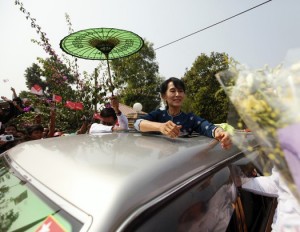
စစ္မက္ျဖစ္ပြား ​ေနတဲ့​ ကခ်င္ျပည္နယ္ကို အမ်ိဳး​သား​ဒီမိုက​ေရစီအဖြဲ့​ခ်ုပ္ ​ေခါင္း​ေဆာင္ ​ေဒၚ​ေအာင္ဆန္း​စုၾကည္ ​ေရာက္ရွိမဲဆြယ္ၿပီး​ သူ့​ကို ​ေဒသခံ တိုင္း​ရင္း​သား​ျပည္သူ​ေတြက တခဲနက္ ႀကိုဆိုခဲ့​ၾကပါတယ္။​

ေဒၚ ​ေအာင္ဆန္း​စုၾကည္က ကခ်င္ျပည္နယ္စည္း​ရံုး​ေရး​ ခရီး​စဉ္ကို ဒီ​ေန့​မွ စတင္တာျဖစ္ၿပီး​ ျမစ္ႀကီး​နား​ေလဆိပ္က​ေန နမၼတီး​နဲ့​ မိုး​ေကာင္း​ၿမို့​ေတြကို သြား​ေရာက္ မဲဆြယ္စည္း​ရံုး​ပါတယ္။

​ ေဒၚ​ေအာင္ဆန္း​စုၾကည္ကို ​ေထာင္​ေသာင္း​ခ်ီတဲ့​ ပရိသတ္​ေတြက လမ္း​တ​ေလ်ွာက္ ႀကိုဆိုခဲ့​ၾကတာပါ။ မိုး​ေကာင္း​ၿမို့​ ​ေဘာလံုး​ကြင္း​မွာက်င္း​ပတဲ့​ ​ေဟာ​ေျပာပြဲမွာ သူက ပင္လံုသ​ေဘာတူညီခ်က္ရဲ့​ အႏွစ္သာရကို ရွင္း​ျပၿပီး​ မ်ိဳး​ဆက္တဆက္နဲ့​တဆက္ လက္ဆင့္​ကမ္း​ၾကဖို့​ ထည့္​သြင္း​ တိုက္တြန္း​ပါတယ္၊​

“၁၉၄၇ ခုႏွစ္တုန္း​က က်မတို့​ ျမန္မာနိုင္ငံဟာ လြတ္လပ္တဲ့​ နိုင္ငံတခု ျဖစ္ဖို့​ က်မတို့​တိုင္း​ရင္း​သား​ေတြ စုစည္း​ၿပီး​ေတာ့​ လုပ္ခဲ့​တယ္။ အရင္တုန္း​ကဆိုရင္ ဗမာကတမ်ိဳး​၊​ ရွမ္း​ကတဖံု၊​ ကခ်င္ကတလမ္း​ အဲဒီလို ျဖစ္​ေနၾကတယ္။ ၁၉၄၇ ခုႏွစ္က်​ေတာ့​ တိုင္း​ရင္း​သား​ေတြ အမ်ား​စု ျဖစ္တဲ့​ ဗမာ (ဗမာဟာလည္း​ တိုင္း​ရင္း​သား​ပါပဲ။ ဒါ​ေပမယ့္​ အမ်ား​စု​ေပါ့​။) အမ်ား​စုျဖစ္တဲ့​ ဗမာ​ေတြနဲ့​ တျခား​ တိုင္း​ရင္း​သား​ေတြဟာ လက္တြဲၿပီး​ လုပ္လို့​ရွိရင္ လြတ္လပ္​ေရး​ကို ျမန္ျမန္ဆန္ဆန္ ရလိမ့္​မယ္ဆိုတဲ့​ သ​ေဘာတူညီခ်က္အရ ရွမ္း​ျပည္က ပင္လံုၿမို့​ေလး​မွာ လက္မွတ္ထိုး​လိုက္ၾကတဲ့​ စာခ်ုပ္ ျဖစ္ပါတယ္။ အဲဒီ​ေတာ့​ က​ေလး​ေတြကို တိုတိုနဲ့​ ​ေျပာရရင္ ပင္လံုဆိုတာ ၿမို့​ေလး​တၿမို့​ရဲ့​ နာမည္ ျဖစ္တယ္။ အဲဒီၿမို့​ေလး​မွာ တိုင္း​ရင္း​သား​ေတြဟာ ပထမဦး​ဆံုး​အႀကိမ္ နိုင္ငံ​ေရး​အရ ပူး​ေပါင္း​ ​ေဆာင္ရြက္ဖို့​ သ​ေဘာတူညီစြာ စာခ်ုပ္တခုကို လက္မွတ္ထိုး​ခဲ့​တဲ့​ ​ေနရာ ျဖစ္တယ္။ အဲဒီ စာခ်ုပ္ကို ပင္လံုစာခ်ုပ္လို့​ ​ေခၚတယ္။ ဒီ​ေတာ့​ ပင္လံုစိတ္ဓာတ္ဆိုတာ ရိုး​ရိုး​ေလး​ေျပာရရင္ ငါတို့​အား​လံုး​ လက္တြဲၿပီး​ေတာ့​ ငါတို့​ လိုခ်င္တဲ့​ပန္း​တိုင္ကို သြား​မယ္ဆိုတဲ့​ ညီညြတ္တဲ့​ စိတ္ဓာတ္ ျဖစ္ပါတယ္။”

မိုး ​ေကာင္း​ၿမို့​နယ္မွာ အဖြဲ့​ခ်ုပ္ကိုယ္စား​ ဝင္ၿပိုင္မယ့္​ ကိုယ္စား​လွယ္​ေလာင္း​ ​ေဒၚခင္ၾကည္ကို မဲ​ေပး​ၾကဖို့​လည္း​ သူက တိုက္တြန္း​ခဲ့​ပါတယ္။

မိုး ​ေကာင္း​ၿမို့​နယ္မွာ ​ေဒၚခင္ၾကည္ဟာ တခ်ိန္တုန္း​က ကခ်င္လြတ္လပ္​ေရး​အဖြဲ့​မွ ဒု – ဥကၠ႒တာဝန္ယူခဲ့​သူ တသီး​ပုဂၢလကိုယ္စား​လွယ္ ​ေဒါက္တာတူး​ဂ်ာ အပါအဝင္ တိုင္း​ရင္း​သား​ စည္း​လံုး​ညီညြတ္​ေရး​ပါတီ၊​ ျပည္ခိုင္ၿဖိုး​ပါတီ၊​ ဒီမိုက​ေရစီမဟာမိတ္ပါတီက ကိုယ္စား​လွယ္​ေတြနဲ့​ ယွဉ္ၿပိုင္ရမွာျဖစ္ပါတယ္။

​ ေဒၚ​ေအာင္ဆန္း​စုၾကည္ဟာ ဒီမနက္ ရန္ကုန္က​ေန ျမစ္ႀကီး​နား​ကို ​ေလယာဉ္နဲ့​ လာ​ေရာက္ၿပီး​ နမၼတီး​ ​ေဘာလံုး​ကြင္း​မွာလည္း​ ​ေဟာ​ေျပာခဲ့​ပါ​ေသး​တယ္။

“မိုး ​ေကာင္း​မွာလည္း​ က်မတို့​ အမ်ိဳး​သား​ဒီမိုက​ေရစီအဖြဲ့​ခ်ုပ္က ဝင္ၿပီး​ေတာ့​ ယွဉ္ၿပိုင္ရတဲ့​ အ​ေၾကာင္း​ရင္း​တခုက ျပည္​ေထာင္စုကို ထူ​ေထာင္ခ်င္လို့​၊​ စစ္မွန္တဲ့​ ျပည္​ေထာင္စု စိတ္ဓာတ္ကို ျပန့္​ပြား​ခ်င္လို့​ ျဖစ္ပါတယ္။ အမ်ိဳး​သား​ဒီမိုက​ေရစီ အဖြဲ့​ခ်ုပ္က စၿပီး​ေတာ့​ ဖြဲ့​ထား​စဉ္ ကာလကတည္း​က တိုင္း​ရင္း​သား​မ်ား​ အား​လံုး​ ​ေသြး​စည္း​ညီညြတ္​ေရး​ကို ဦး​တည္ပါတယ္။”

ဒီ ​ေန့​ ညမွာ ​ေဒၚ​ေအာင္ဆန္း​စုၾကည္ဟာ ျမစ္ႀကီး​နား​ကို ျပန္မွာျဖစ္ၿပီး​ မနက္ျဖန္ မနက္ပိုင္း​ မ​ေနာကြင္း​မွာ မဲဆြယ္စည္း​ရံုး​ဖို့​ စီစဉ္ထား​ပါတယ္။
Credit Here:
အမ်ိဳးသား ဒီမုိကေရစီ အဖြဲ႔ခ်ဳပ္ (NLD) ဥကၠ႒ ေဒၚေအာင္ဆန္းစုၾကည္က ဒီမုိကေရစီ အတြက္ တုိင္းရင္းသားမ်ား စည္းလုံးညီညြတ္မႈရွိရန္ ကခ်င္ျပည္နယ္ နမၼတီးေက်းရြာအားကစားကြင္း၌ မိနစ္၂၀ခန္႔ ျပဳလုပ္သည့္ လူထုေဟာေျပာပြဲတြင္ ေျပာၾကားလုိက္သည္။


ေဒၚေအာင္ဆန္းစုၾကည္က“က်မတုိ႔ ျပည္ေထာင္စုကုိ တုိင္းရင္းသားလူမ်ိဳးေပါင္းစုံနဲ႔ ဖြဲ႔စည္းထားတာျဖစ္တယ္၊ ဒါေၾကာင့္မို႔လုိ႔ က်မ တုိ႔ အခ်င္းခ်င္း တဦးအေပၚတဦး နားလည္မႈရွိရမယ္၊ တဦးကုိတဦးေလးစားရမယ္၊ တဦးကုိတဦးသစၥာထားရမယ္၊ ကုိယ္လိုခ်င္တဲ့ ျပည္ေထာင္စုႀကီးကုိ ထူေထာင္ႏုိင္မယ္လုိ႔ ယုံၾကည္ခ်က္နဲ႔ လက္တြဲေဆာင္ရြက္ၾကပါစုိ႔”ဟု ကခ်င္ျပည္နယ္ လူထုကုိေျပာၾကား သည္။

မိမိတုိ႔ NLD ပါတီအေနျဖင့္ ေဒသခံျပည္သူမ်ား အက်ိဳးကုိ ေဆာင္ရြက္ေပးေစခ်င္လွ်င္ မိမိတုိ႔ ပါတီအား မဲထည့္ျခင္းအားျဖင့္ ကူညီ ေစလုိေၾကာင္း၊ သုိ႔မွသာ ျပည္သူလူထုကို ကူညီႏုိင္မည္ျဖစ္ေၾကာင္း၊ ျပည္သူမ်ားအေနျဖင့္လည္း ၿမိဳ႕နယ္ NLD ပါတီရုံးသုိ႔ ဆက္ သြယ္ အကူအညီေတာင္းခံႏုိင္ေၾကာင္းလည္း ေျပာဆုိသည္ဟု NLD အသိုင္းအ၀ိုင္းက ေျပာျပသည္။

“က်မတုိ႔က ျပည္သူေတြကုိ အင္အားျဖည့္ေပးခ်င္တယ္၊ ကုိယ္ဘာသာကုိယ္ ေက်ာ္လႊားႏုိင္တဲ့ အင္အားေတြ၊ အခြင့္အေရးေတြရဖုိ႔က်ိဳးစားရမယ္၊ ဘယ္သူ႔ကုိမွ အားမကုိးရဘူးေပါ့၊ ေနာက္ဆုံး ျပည္သူေတြကုိ အစုိးရကအားကုိးရတဲ့အေျခအေနကုိ က်မတုိ႔ကပုိ႔ေပး ရမယ္”ဟု ေဒၚေအာင္ဆန္းစုၾကည္က ဆက္ေျပာသည္။

ထုိ႔အျပင္သမၼတႀကီးဦးသိန္းစိန္အေနျဖင့္လည္းဒီမုိကေရစီအတြက္တံခါးဖြင့္ေဖာ္ေဆာင္ေပးေနေၾကာင္းလည္း ထည့္သြင္းေျပာၾကား သြားသည္။

ေဒၚေအာင္ဆန္းစုၾကည္အား နမၼတီးေက်းရြာႏွင့္အနီး၀န္းက်င္ရွိ ျပည္သူ ေသာင္းႏွင့္ခ်ီ၍ ေသာင္းေသာင္းျဖျဖ ႀကိဳဆုိေၾကာင္း နမၼတီး NLD လူငယ္ ကုိ၀င္းႏုိင္က ေျပာသည္။

“နယ္တုိင္း က လာၿပီး တအားတုိးေနတာ၊ လုံၿခဳံေရးအတြက္စုိးရိမ္ေပမယ့္ ႏုိင္ႏုိင္နင္းနင္း ထိန္းႏုိင္တယ္လုိ႔ ေျပာရမွာပဲ”ဟု ၎က ဆုိသည္။

မူလက ယခုခရီးစဥ္ကို ေဒသအာဏာပိုင္မ်ားက လုံၿခံဳေရးအေၾကာင္းျပခ်က္ျဖင့္ တားျမစ္ထားခဲ့ၿပီးေနာက္ ၿပီးခဲ့သည့္ တနလၤာေန႔က ျပန္လည္ ႐ုပ္သိမ္း၍ ခြင္းျပဳခဲ့ျခင္း ျဖစ္သည္။

ေဒၚေအာင္ဆန္းစုၾကည္ႏွင့္ အဖြဲ႔သည္ မုိးေကာင္းၿမိဳ႕သုိ႔ ဆက္လက္ထြက္ခြာသြားရာ လမ္းခရီးတြင္ လူထုႀကိဳဆုိမႈမ်ားျပားသည့္ အတြက္ ယာဥ္တန္းကုိ ေျဖညင္းစြာ ေမာင္းေနရေၾကာင္း ကုိ၀င္းႏုိင္က ဆက္ေျပာသည္။

မုိးေကာင္းၿမိဳ႕၌ လူထု စည္း႐ုံးေရးေဟာေျပာပြဲ ျပဳလုပ္အၿပီးတြင္ ျမစ္ႀကီးနားသုိ႔ ျပန္လည္ ညအိပ္နားေနမည္ ျဖစ္သည္ဟု ဆိုသည္။

ေဒၚေအာင္ဆန္းစုၾကည္သည္ ယေန႔နံနက္ ၉ နာရီခြဲခန္႔တြင္ ေလယာဥ္ျဖင့္ ရန္ကုန္ၿမိဳ႕မွ ထြက္ခြာလာရာ ျမစ္ႀကီးနားၿမိဳ႕သုိ႔ ၁၂နာရီ ေက်ာ္ေက်ာ္တြင္ ေရာက္ရွိလာျခင္း ျဖစ္သည္။

ျမစ္ႀကီးနားေလဆိပ္တြင္လည္း ေဒၚေအာင္ဆန္းစုၾကည္အား လူထုကေသာင္းေသာင္းျဖျဖ ႀကိဳဆုိေၾကာင္း၊ ျမစ္ႀကီးနား မေနာကြင္း တြင္ မနက္ျဖန္နံနက္ ၉နာရီခန္႔တြင္ လူထုအားေဟာေျပာမည္ျဖစ္ေၾကာင္း ျမစ္ႀကီးနားၿမိဳ႕ NLD ပါတီမွ ဦးေန၀င္းကေျပာသည္။

Credit Here :
ၿမန္မာနိုင္ငံအေနနဲ့ ယူထားတဲ့အေၾကြးေတြ ျပန္ဆပ္ဖို့ ကမ႓ာ့ဘဏ္က သတိေပး ေျပာၾကားလုိက္ပါတယ္။
အေၾကြးေတြ ျပန္ဆပ္မွသာ ကမ႓ာ့ဘဏ္ရဲ့ ဘ႑ာေရး အကူအညီ၊ အေထာက္အပံ့၊ ေခ်းေငြအသစ္ေတြ ျမန္မာနိုင္ငံက ထပ္ရနိုင္မယ္လို့ဆု ိပါတယ္။

ကမ႓ာ့ဘဏ္ဟာ ေၾကြးက်န္နိုင္ငံ ဘယ္နိုင္ငံကိုမဆို ရန္ပုံေငြေထာက္ပံ့ခြင့္ မရဘူးလို ့စည္းမ်ဥ္းစည္းကမ္း သတ္မွတ္ထားပါတယ္။ ဒါေၾကာင့္ ၂၀၀၈ ခုႏွစ္က ျမန္မာနိုင္ငံမွာ နာဂစ္မုန္တုိင္း ဒဏ္ခံလိုက္ရစဥ္က ကမ႓ာ့ဘဏ္အေနနဲ့ ေခ်းေငြေပးလို ့မရခဲ့ေၾကာင္း ကမ႓ာ့ဘဏ္ စီမံခန့္ခြဲမႈ ဒါရိုက္တာ ဂ်ူအန္ ဟိုေဆး ဒါေဘာက္က ေအဘီစီ ၾသစေၾတးလ်သတင္းဌာနမွာ ေျပာၾကားပါတယ္။

ဒါေပမယ့္ ျမန္မာနိုင္ငံဟာ ကမ႓ာ့ဘဏ္ဆီမွာ အေၾကြး ဘယ္ေလာက္ တင္ေနသလဲဆိုတာေတာ့ မသိရေသးပါဘူး။ ၿပီးခဲ့တဲ့ ဇန္န၀ါရီလက ျပုလုပ္ခဲ့တဲ့ ျပည္ေထာင္စု လႊတ္ေတာ္ အစည္းအေ၀းမွာေတာ့ ျမန္မာနိုင္ငံမွာ ျပည္ပေၾကြးၿမီ အေမရိကန္ေဒၚလာ ၁၁ ဘီလီယံေက်ာ္ (ေဒၚလာ သန္းေပါင္း ၁ေသာင္း ၁ ေထာင္ေက်ာ္) ေပးဖုိး ရွိတယ္လုိ့ ဘ႑ာေရး ၀န္ႀကီး ဦးလွထြန္းက ထုတ္ေဖာ္ ေၾကညာခဲ့ပါတယ္။

၁၉၈၈ခုႏွစ္မတိုင္ခင္ကသန္းေပါင္း၈,၄၀၀ ေက်ာ္နဲ့၁၉၈၈ ေနာက္ပိုင္း ေဒၚလာသန္းေပါင္း၂,၆၀၀ ေက်ာ္ ျဖစ္ပါတယ္။ ၁၉၈၈ မတိုင္ခင္ ယူထားတဲ့ အေၾကြးေတြအနက္ အမ်ားစုဟာ ဂ်ပန္နုိင္ငံကျဖစ္ၿပီး ေဒၚလာသန္းေပါင္း ၆,၃၀၀
 ေက်ာ္ရွိပါတယ္။၁၉၈၈ ေနာက္ပိုင္းယူခဲ့တဲ့အေၾကြးေတြအနက္အမ်ားစုဟာတရုတ္နိုင္ငံကျဖစ္ၿပီး ေဒၚလာသန္းေပါင္း ၂,၀၀၀ ေက်ာ္ရွိပါတယ္။

ကမ႓ာ့ဘဏ္ဟာ ျမန္မာနိုင္ငံမွာ ျဖစ္ေပၚေျပာင္းလဲေနမႈေတြကို တြန္းအားေပးတဲ့အေနနဲ ့ ၂၅ ႏွစ္ၾကာ ရပ္ဆိုင္း
ထားတဲ့စီးပြားေရးဆိုင္ရာ အျပန္အလွန္ ခ်ိတ္ဆက္ ေဆာင္ရြက္မႈေတြကို ျမန္မာနိုင္ငံမွာ ျပန္စေတာ့မယ္လို့ မၾကာခင္ ရက္ပိုင္းက ေၾကညာထားပါတယ္။

Credit Here:
ရန္ကုန္ (မဇၥ်ိမ) ။ ။ ျပည္သူ႔လႊတ္ေတာ္ဥကၠ႒ သူရဦးေရႊမန္း က လႊတ္ေတာ္ ကိုယ္စားလွယ္မ်ား အေနႏွင့္ အဂတိ ေရွာင္ရွားကာသတၱိရွိစြာျဖင့္ ျပည္သူ႔အက်ဳိးအေရးဆို ေဆာင္ရြက္ၾကေစလိုေၾကာင္း ေျပာၾကားလိုက္သည္။

ဗုဒၶဟူးေန႔ နံနက္ပိုင္းက ရန္ကုန္တိုင္း လႊတ္ေတာ္အေဆာက္အဦးတြင္ ျပည္သူ႔လႊတ္ေတာ္ ဥပေဒေရးရာႏွင့္ အထူးကိစၥရပ္မ်ား ေလ့လာဆန္းစစ္သံုးသပ္ေရး ေကာ္မရွင္ႏွင့္ ျပည္သူ႔လႊတ္ေတာ္ဥကၠ႒တို႔ ေတြ႔ဆံုပြဲ၌ ဦးေရႊမန္းက ထည့္သြင္း ေျပာဆိုသြားျခင္းျဖစ္သည္။

“သူတို႔ေတြ ေၾကာက္ေနၾကေသးတယ္။ ေျပာလိုက္ရင္ ဘာျဖစ္မလဲဆိုၿပီး ေၾကာက္ေနၾကေသးတယ္။ ကိုယ္ေျပာလိုက္ လို႔ ဒုကၡေရာက္မွာ ေၾကာက္တယ္ဆိုတာ အဂတိတရား လိုက္စားတာ။ ဒါေၾကာင့္မို႔လို႔ လႊတ္ေတာ္ ကုိယ္စားလွယ္မ်ား ကိုလည္း ခင္ဗ်ားတို႔ အဂတိေရွး႐ႈေစေသာ အျပဳအမူမ်ား မျဖစ္ေစနဲ႔။ ႏႈတ္နဲ႔ေျပာဖို႔ သတၱိမရွိေသးရင္ စာနဲ႔ေျပာေပးပါ” ဟု လႊတ္ေတာ္ ကိုယ္စားလွယ္မ်ားကို ရည္ညႊန္း၍ ဦးေရႊမန္းက ေျပာသည္။


ျပည္သူ႔လႊတ္ေတာ္ဥကၠ႒ သူရဦးေရႊမန္း ရန္ကုန္တိုင္းလႊတ္ေတာ္တြင္ သတင္းမီဒီယာမ်ားႏွင့္ ေဖေဖၚဝါရီလ ၂၂ ရက္ေန႔က ေတြ႔ဆံုစဥ္။ (ဓါတ္ပံု - မဇၥ်ိမ)
၎ကိုယ္တိုင္လည္းလိုက္နာက်င့္ႀကံသည့္အေနျဖင့္ ေဖေဖၚဝါရီ၇ရက္ေန႔ကဝန္ထမ္းလစာတိုးေရးႏွင့္ ျပည္သူ႔ေငြ မ်ားျဖင့္ စံမံကိန္း အေကာင္အထည္ေဖာ္မႈမ်ားကို စိစစ္ေလွ်ာ့ခ်ရန္ ျပည္ေထာင္စု လႊတ္ေတာ္၌ မိန္႔ခြန္းေျပာဆိုခဲ့သည္ ဟု ဆိုသည္။

ေဖေဖၚဝါရီလ ၇ ရက္ေန႔ ျပည္ေထာင္စု လႊတ္ေတာ္သို႔ တင္သြင္းသည့္ ဦးေရႊမန္း၏ ဝန္ထမ္းမ်ား လစာတိုးေရး အဆို အား ဘ႑ာေရးႏွင့္ အခြန္ဝန္ႀကီး ဦးလွထြန္းက ေဖေဖၚဝါရီလ ၁၆ ရက္ေန႔ ျပည္ေထာင္စု လႊတ္ေတာ္တြင္ ျပန္လည္ေျဖၾကား ျငင္းပယ္ခဲ့သည္။

အဂၤါေန႔ ျပည္ေထာင္စု လႊတ္ေတာ္သို႔ ေပးပို႔ထားသည့္ ဦးေရႊမန္း၏ သဝဏ္လႊာတြင္လည္း “ျပည္သူကို အက်ဳိးျပဳသည့္ စီမံကိန္း မ်ားကိုသာ ဆက္လက္ အေကာင္အထည္ေဖၚကာ ကုန္က်စရိတ္မ်ားေလွ်ာ့၍ ဝန္ထမ္းမ်ားကို လစာ တိုးေပးရန္” ဦးေရႊမန္း က ထပ္မံေတာင္းဆိုထားသည္။

ထို႔ေၾကာင့္အဆုိရွင္မွယင္းအဆိုကို ျပန္လည္မ႐ုပ္သိမ္းပါက ျပည္ေထာင္စုလႊတ္ေတာ္တြင္မဲခြဲဆံုးျဖတ္ရန္သာ ရွိသည္ဟုလည္း လႊတ္ေတာ္အမတ္ ဦးၾကည္ျမင့္က မဇၩိမကို ေျပာသည္။

ဦးေရႊမန္းကမူ ၎အေနျဖင့္ ဝန္ထမ္းလစာတိုးေပးရန္ အဆိုကို ေနာက္ဆုတ္မည္ မဟုတ္ေၾကာင္းလည္း ဗုဒၶဟူးေန႔ေတြ႔ဆံုပြဲတြင္ ထည့္သြင္းေျပာဆိုသြားသည္။

ဗုဒၶဟူးေန႔ ေတြ႔ဆံုပြဲသို႔ စီးပြားေရးလုပ္ငန္းရွင္မ်ား၊ ပညာရွင္မ်ားႏွင့္ တိုင္းေဒသၾကီးလႊတ္ေတာ္မွ ကိုယ္စားလယ္မ်ား စုစုေပါင္း ၁၅ဝ ခန္႔ တက္ေရာက္ခဲ့ၾကၿပီး ျပည္တြင္းျပည္ပ မီဒီယာသမား ၃ဝ ေက်ာ္ တက္ေရာက္ခဲ့ၾကသည္။

အဆိုပါေတြ႔ဆံုပြဲတြင္ဦးေရႊမန္းက ေစ်းကြက္စီးပြားေရးစနစ္ကိုစတင္က်င့္သံုးရန္ထိေရာက္လက္ေတြ႔က်ေသာ ဥပေဒ ျပ႒ာန္းရန္ လိုေၾကာင္းလည္း ထည့္သြင္းေျပာဆိုသည္။

“လာေရာက္ရင္းႏွီးလိုသူေတြ ရွိေနတယ္လို႔ သိရတယ္။ တည္ဆဲ ဥပေဒမွာ ရင္းႏွီး ျမႇပ္ႏွံလိုသူေတြအတြက္ ခက္ခဲေန တယ္။ ယံုၾကည္မႈေတြ ေလ်ာ့နည္းေနတယ္။ မလုပ္ႏိုင္ဘူး ဆိုတာေတြ ရွိတယ္လို႔ သိရပါတယ္။ ဒါေၾကာင့္ လက္ေတြ႔ က်တဲ့ ဥပေဒတခု အျမန္လိုပါတယ္”ဟု သူရဦးေရႊမန္း က ေျပာသည္။

ႏိုင္ငံေတာ္နဲ႔ ႏိုင္ငံသားမ်ား အက်ိဳးအတြက္ ျပင္ဆင္ရမည့္ ဥပေဒမ်ားကို ယခု အစိုးရ သက္တမ္း ၅ ႏွစ္တြင္ပင္ျပင္ဆင္၍ၿပီးေျမာက္မည္မဟုတ္ဘဲအျမန္ျပင္ဆင္ရန္လိုေၾကာင္းလည္းထည့္သြင္းေျပာဆိုသြားသည္။

ဥပမာအျဖစ္ ၁၉၄၇ ခုႏွစ္က ျပ႒ာန္းထားေသာ ယာယီသြင္းကုန္ ထုတ္ကုန္ ဥပေဒသည္ လက္ရွိ ေခတ္အေျခအေနႏွင့္ မကိုက္ညီဘဲ ႏိုင္ငံတကာမွ လာေရာက္ ရင္းႏွီးျမႇဳပ္ႏွံလိုသူမ်ားအတြက္ အခက္အခဲျဖစ္ေန၍ ၎ဥပေဒမ်ားကို ျပင္ဆင္ ရန္ ၾကိဳးပမ္းရမည္ျဖစ္ေၾကာင္း သူရဦးေရႊမန္းက ေျပာၾကားခဲ့သည္။

Credit Here :
ခ်င္းမုိင္(မဇိၥ်မ) ။ ။ ၾကာသပေတးေန႔တြင္ စတင္မည့္ ေဒၚေအာင္ဆန္းစုၾကည္၏ ကခ်င္ျပည္နယ္ခရီးစဥ္တြင္ ကခ်င္အမ်ဳိးသား အတုိင္ပင္ခံအဖြဲ႔ WMR ေခါင္းေဆာင္မ်ားႏွင့္ ေတြ႔ဆံုသြားမည္ ျဖစ္ေၾကာင္း ကခ်င္ေခါင္းေဆာင္မ်ား ထံမွ သိရသည္။

“က်ေနာ္တုိ႔ကေတာ့ ဘာေဆြးေႏြးဖို႔ ႀကိဳတုိင္ပင္ထားတာေတာ့ မရွိေသးဘူး။ ဒါေပမယ့္ သူနဲ႔ ေတြ႔ဆံုတဲ့အခါမွာပဲ အခ်င္းခ်င္း မိတ္ဆက္ရင္းနဲ႔ ေျပာၾကဆုိၾကမွာပါ။ အိမ္ရွင္ဆုိေတာ့ ဧည့္သည္က လာေတြ႔တယ္ဆုိရင္ လက္ခံ ႀကိဳဆုိပါ တယ္”ဟု အမည္မေဖာ္လိုသည့္ WMR အဖြဲ႔ဝင္ ကခ်င္ေခါင္းေဆာင္တဦးက မဇိၥ်မကုိ ေျပာသည္။

WMR ကခ်င္အတုိင္ပင္ခံအဖြဲ႔တြင္ ကခ်င္လြတ္ေျမာက္ေရးအဖြဲ႔ KIO၊ ကခ်င္ ျပည္နယ္တြင္းရွိ စီးပြားေရး လုပ္ငန္းရွင္ မ်ား၊ ဘာသာေရး ေခါင္းေဆာင္မ်ား အပါအဝင္ အဖြဲ႔ဝင္ ၅ဝ ေက်ာ္ ပါဝင္ၿပီး ထုိအဖြဲ႔မွ ေခါင္းေဆာင္အခ်ဳိ႕သည္ ကခ်င္လြတ္ေျမာက္ေရးအဖြဲ႔ KIO ႏွင့္ အစုိးရအၾကား ၿငိမ္းခ်မ္းေရးရရွိရန္ ညွိဳႏုိင္းေပးေနသည္။


ေဒၚေအာင္ဆန္းစုၾကည္၏ ကခ်င္ျပည္နယ္ခရီးစဥ္တြင္ ကခ်င္အမ်ဳိးသား အတုိင္ပင္ခံအဖြဲ႔ WMR ေခါင္းေဆာင္မ်ားႏွင့္ ေတြ႔ဆံုသြားမည္ ျဖစ္ေၾကာင္း ကခ်င္ေခါင္းေဆာင္မ်ား ထံမွ သိရ (ဓါတ္ပံု မဇၥ်ိမ)
ေဒၚေအာင္ဆန္းစုၾကည္ႏွင့္ မည္သည့္ အေၾကာင္းအရာမ်ား ေဆြးေႏြးျဖစ္မည္ ဆိုသည္ကိုမူ WMR က ထုတ္ေဖာ္ေျပာဆိုျခင္း မရွိေသးေပ။

အမ်ဳိးသားဒီမိုကေရစီ အဖြဲ႔ခ်ဳပ္ NLD ေခါင္းေဆာင္ ေဒၚေအာင္ဆန္းစုၾကည္သည္ ၾကာသပေတးေန႔တြင္ ရန္ကုန္ၿမိဳ႕မွျမစ္ႀကီးနားၿမိဳ႕သုိ႔ ေလေၾကာင္းမွ သြားေရာက္မည္ ျဖစ္ၿပီး မိုးေကာင္းၿမိဳ႕နယ္ နမၼတီးေက်းရြာအုပ္စုရွိ အားကစားကြင္း တြင္လူထုေဟာေျပာပြဲ ေန႔ခ်င္း ျပဳလုပ္မည္ျဖစ္သည္။ ေဟာေျပာမည့္ စင္ျမင့္ကုိ နမၼတီး NLD လူငယ္မ်ားက အဆင္သင့္ ေဆာက္လုပ္ကာ လံုျခံဳေရး စီစဥ္ထားေၾကာင္း နမၼတီး စည္း႐ုံးေရးအဖြဲ႔ဝင္ ဦးဝင္းဗုိလ္က ေျပာသည္။

ေသာၾကာေန႔၌ ျမစ္ႀကီးနားၿမိဳ႕စီတာပူရပ္ကြက္ရွိကခ်င္႐ုိးရာမေနာကြင္းတြင္စည္း႐ုံး ေဟာေျပာဦးမည္ ျဖစ္သည္။

ေဒၚေအာင္ဆန္းစုၾကည္သည္ ျမစ္ႀကီးနားၿမိဳ႕ရွိဝန္းသိုေက်ာင္းတုိက္ဆရာေတာ္ႏွင့္လည္း ေတြ႔ဆံုမည္ျဖစ္ေၾကာင္း ဆရာေတာ္ႏွင့္ နီးစပ္သည့္ ျမစ္ႀကီးနားၿမိဳ႕ခံတဦးက ေျပာသည္။

ထို႔ေနာက္ ဗန္းေမာ္ၿမိဳ႕ဘက္သုိ႔ သြားေရာက္၍ ကခ်င္႐ုိးရာ မေနာကြင္းတြင္ ေဟာေျပာဦးမည္ဟု NLD မဲဆြယ္ စည္း႐ုံးေရး မန္ေနဂ်ာ ဦးဉာဏ္ဝင္းက ေျပာသည္။

ေဒၚေအာင္ဆန္းစုၾကည္သည္ ကခ်င္ျပည္နယ္သို႔ ၁၉၈၉ ခုႏွစ္ ႏွင့္ ၂ဝဝ၃ ခုႏွစ္မ်ားတြင္ သြားေရာက္ခဲ့ၿပီး ယခု ခရီးစဥ္ မွာ တတိယအၾကိမ္ေျမာက္ ျဖစ္သည္။

၁၉၈၉ခုႏွစ္ကသြားေရာက္စဥ္ပင္လံုျပည္ေထာင္စုလမ္းျပေျမပံုကိုဗုိလ္ခ်ဳပ္ေအာင္ဆန္းႏွင့္အတူ ေရးဆြဲခဲ့သည့္ ဒူဝါေဇာ္ရစ္ပ္ႏွင့္ ေတြ႔ဆံုေဆြးေႏြးခဲ႔သည္။

NLD ဥကၠ႒ ေဒၚေအာင္ဆန္းစုၾကည္သည္ ၿပီးခဲ့သည့္ သီတင္းပတ္မ်ားအတြင္း ျမန္မာျပည္ ေတာင္ပိုင္းႏွင့္ အလယ္ပိုင္းေဒသမ်ားျဖစ္သည့္ ထားဝယ္၊ ပခုကၠဴ၊ ပုသိမ္၊ ေကာ့မႉး၊ လွည္းကူးႏွင့္ ဖ်ာပံုၿမိဳ႕မ်ားသုိ႔ မဲဆြယ္ စည္း႐ုံးေရး ခရီးစဥ္ အျဖစ္ သြားေရာက္ခဲ့သည္။

မႏၲလးတိုင္း NLD မွ ေဒၚဝင္းျမျမ အပါအဝင္ အဖြဲ႔ဝင္ ၇ ဦးသည္လည္း ကခ်င္စစ္ေျပး ဒုကၡသည္မ်ားအား ကူညီရန္ အတြက္ အဝတ္အထည္မ်ားႏွင္႔ က်ပ္သိန္း ၁ဝဝ ယူေဆာင္ၿပီး ျမစ္ႀကီးနားၿမိဳ႕သုိ႔ မီးရထားျဖင့္ ဗုဒၶဟူးေန႔က ထြက္ခြာ သြားၿပီျဖစ္ေၾကာင္း သိရသည္။

Credit Here :
ႏိုင္ငံ ပိုင္ ျမန္မာ႔ အလင္းသတင္းစာ တိုက္မွ ဝန္ထမ္းအခ်ဳိ႕က်ပ္ေငြေပါင္း သိန္း ၂ေထာင္ေက်ာ္ အလြဲသုံးစားျပဴခဲ့သည္ဆိုေသာ အမႈႀကီးကို ရန္ကုန္ျမိဳ႕ပန္းဆိုးတန္းရွိ အေနာက္ပိုင္းခ႐ိုင္ တရားရုံး တြင္ ေဖေဖာ္ဝါရီလ၂၁ ရက္ေန႔က ဒုတိယအႀကိမ္ျဖစ္ ရုံးတင္စစ္ေဆးခဲ့ေၾကာင္း ရန္ကုန္ျမိဳ႕ မဟာဗႏၶဳလပန္းၿခံလမ္းရွိ ဗဟိုတရားရုံးေရွ႔ေနမ်ား အသိုင္းဝိုင္းထံမွ သိရွိရသည္။

ရန္ကုန္အေနာက္ပိုင္း ဒုတိယခ႐ိုင္ တရားသူ ၾကီး ၄ ၏ ရုံးခန္းတြင္ ယင္းေန႔က ျမန္မာ့အလင္းသတင္းစာမွ လက္ေထာက္မန္ေနဂ်ာ အပါဝင္၂ ဦးကို ျပစ္မႈဆိုင္ရာ အမႈႀကီးအမွတ္ ၇၈/၂၀၁၁၊ ၇၉/၂၁၁၊ ၈၀/၂၀၁၁ တို႔ျဖင့္ လက္ခံ ၾကားနာစစ္ေဆးခဲ့ၿပီး ညေန၃ နာရီေက်ာ္တြင္ စစ္ေဆးမႈၿပီးဆုံးခဲ့သည္ဟု ယင္းအမႈစစ္ေဆးစဥ္ တရားခြင္ေရာက္ရွိ ေနသူမ်ားထံမွ သိရွိရသည္။

" အရင္ ျမန္မာအလင္းသတင္းစာက မန္ေနဂ်ာ အပါဝင္ ၃ ေယာက္ လက္ထိပ္ခတ္ထားတာေတြ ရတယ္။ ေနာက္ဆုံးတန္းမွာထိုင္ေနၾကတယ္။ ဒီေန႔က တရားလိုျပသက္ေသစစ္တာလို႔ေျပာတယ္" ဟု အမူစစ္ေဆးသည့္ေနရာတြင္ ေရာက္ရွိေနသူတစ္ဦးက ရွင္းလင္းေျပာၾကားသည္။

တရားခြင္မွရရွိေသာ သတင္းမ်ားအရ ျမန္မာ႔အလင္းသတင္းစာတိုက္မွ သတင္းစာဖိုးႏွင့္ေၾကာ္ျငာဖိုးေငြ က်ပ္၂၈၈၆ သိန္းကို ကိုယ္က်ိဳးအတြက္ အလြဲသုံးစားျပဴမႈဟု သတင္းမ်ားထြက္ေပၚေနေသာ္လည္း ယင္းပမာဏထက္ သိသိသာသာ မ်ားျပားသည္ဟုလည္း ရန္ကုန္သတင္းစာျဖန္႔ခ်ိေရးေလာကအတြင္းရွိသူမ်ားက ေျပာဆိုၾကသည္။

ျမန္မာအလင္းသတင္းစာ သတင္းစာဖိုးႏွင့္ေၾကာ္ျငာေငြမ်ားသည္ ၂၀၀၈၊ ၂၀၀၉၊ ၂၀၁၀ ႏွင့္ ၂၀၁၁ ခုႏွစ္အတြင္း သက္ဆိုင္ရာ စာရင္းစစ္အဖြဲ႕မ်ားက စစ္ေဆးရာတြင္ ယင္းကဲ့သို႕ကြာဟေနသည့္အတြက္ ယင္းသတင္းစာတိုက္ စာတည္းမွဴးခ်ဳပ္ ဦးလိႈင္ဝင္းက တရားလိုျပဳလုပ္ တိုင္းတန္းခဲ့ၿပီး ယင္းအမႈကို ျပည္ထဲေရးဝန္ႀကီးဌာနသို႔ တင္ျပအၾကံျပဳခ်က္ေတာင္းခံခဲ့ရာ ၿပီးခဲ႔သည္ႏိုဝင္ဘာလအတြင္း ၁၉၆၃ ခုႏွစ္ အမ်ားႏွင့္သက္ဆိုင္ေသာပစၥၫ္း ကာကြယ္ေစာင့္ေရွာက္ေရးဥပေဒ ပုဒ္မ ၃ သို႔ ေျပာင္းလဲဖြင့္လွစ္ရန္ အေၾကာင္းျပန္ေသာေၾကာင့္ ယင္းအမႈအတိုင္း ေျပာင္းလဲဖြင့္လွစ္ခဲ့သည္ဟု ေဖေဖာ္ဝါရီလ ၂၀ရက္ေန႔ထုတ္ The Crime ဂ်ာနယ္တြင္ေဖာ္ျပထားသည္။

ယင္းျဖစ္စဥ္ႏွင့္ပက္သက္၍ ၿပီးခဲ့ေသာ ႏိုဝင္ဘာလတြင္းက ရန္ကုန္ၿမိဳ႕ေတာ္ရွိ သတင္းစာကိုယ္စားလွယ္ႀကီး ၈ဦးခန္႔ကို ေခၚယူစစ္ေဆးခဲ့ၿပီး ျမန္မာအလင္းသတင္းစာ ျဖန္႔ခ်ိစဥ္ ဝယ္ယူသည့္ေျပစာမ်ားကို စစ္ေဆးခဲ့ေၾကာင္း သတင္းစာကိုယ္စားလွယ္အသိုင္းဝိုင္းထံမွ သိရွိရသည္။

ယင္းသို႕စစ္ေဆးမႈတြင္ ႏိုင္ငံပိုင္ ျမန္မာ့အလင္းသတင္းစာတိုက္သည္ ပံုမွန္ စာရင္းျပေသာ ေစာင္ေရထက္ ပို႐ိုက္ထားေသာ ေစာင္ေရမ်ားကို ပံုမွန္ေစ်း ၅၀က်ပ္အစား ၄၅က်ပ္ျဖင့္ တရားမဝင္ ျဖန္႔ခ်ိမႈအခ်ဳိ႕ကို စစ္ေဆးေတြ႔ရွိခဲ့ၿပီး ကိုယ္စားလွယ္အခ်ိဳ႕မွာ သတင္းစာ ဝယ္ယူထားသည့္ေျပစာမ်ား မျပႏိုင္ေၾကာင္းလည္း သတင္းစာျဖန္႔ခ်ိေရး အသိုင္းဝိုင္းထံမွ စံုစမ္းသိရွိရသည္။

ယင္း စစ္ေဆးမႈကို ရန္ကုန္ၿမိဳ႕၊ ပန္းဆိုးတန္းလမ္းရွိ အေနာက္ပိုင္းခ႐ိုင္ တရားရုံးက ဆက္လက္ၾကားနာစစ္ေဆးရန္အတြက္ လာမည့္မတ္လ ၆ ရက္ေန႔သို႔ ထပ္မံ ခ်ိန္းဆိုလိုက္ၿပီး ၁၉၆၃ ခုႏွစ္ အမ်ားျပည္သူႏွင့္သက္ဆိုင္ေသာပစၥၫ္း ကာကြယ္ေစာင့္ေရွာက္ေရးဥပေဒ ပုဒ္မ ၃သည္ ျပစ္မႈထင္ရွားပါက တရားစြဲဆိုခံထားရသူမ်ားသည္ အနည္းဆုံးေထာင္ဒဏ္ ၁၀ ႏွစ္ခန္႔မနည္းျဖစ္ေစ၊ ေထာင္ဒဏ္ တစ္သက္တစ္ကြၽန္းျဖစ္ေစ၊ ျပစ္ဒဏ္က်ႏိုင္ေၾကာင္း တရားလႊတ္ေတာ္ေရွ႕ေနတစ္ဦးက ေျပာၾကားသည္။

ျမန္မာ့အလင္း သတင္းစာတိုက္တြင္ အေထြေထြမန္ေနဂ်ာအသစ္အျဖစ္ ဦးေဝၿဖိဳးသန္းက မၾကာေသးခင္လပိုင္းက စတင္တာဝန္ယူလွ်က္ရွိၿပီး ဝန္ထမ္းအမ်ားစုမွာ ေျပာင္းေရႊ႕ ျခင္း၊ ႏႈတ္ထြက္ျခင္းမ်ားရွိေၾကာင္း ယခင္က ျမန္မာ့အလင္း သတင္းစာတိုက္တြင္ တာဝန္ထမ္းေဆာင္ခဲ့သူ တစ္ဦးကေျပာၾကားသည္။


ရန္ကုန္၊ ေဖေဖာ္၀ါရီ- ၂၂

ေဒၚေအာင္ဆန္းစုၾကည္သည္သူမ၏ပထမဆုံး ႏုိင္ငံျခားခရီးစဥ္အျဖစ္ ေနာ္ေ၀ႏုိင္ငံသုိ႔သြားေရာက္လုိေၾကာင္း
 ေဒၚေအာင္ဆန္းစုၾကည္က သတင္းေထာက္မ်ားသုိ႔ ေျပာသည္။

''ကၽြန္မပထမဆုံးလည္ပတ္ခ်င္တဲ့ ႏုိင္ငံက ေနာ္ေ၀ျဖစ္ပါလိမ့္မယ္။ဘာျဖစ္လို႔လည္းဆုိေတာ့ကၽြန္မတို႔အားလုံး
ရဲ႕အခက္ခဲဆုံးအခ်ိန္မွာကၽြန္မတို႔ကိုမေမ့ခဲ့လိုပါ"ဟု ေဒၚေအာင္ဆန္းစုၾကည္က ေျပာသည္။

ယေန႔နံနက္ပိုင္းကသူမေနအိမ္တြင္အာဆီယံအတြင္းေရးမွဴးခ်ဳပ္ႏွင့္ ေတြ႕ဆုံအၿပီး ႏုိင္ငံျခားသတင္းေထာက္
တစ္ဦး၏ ေမးျမန္းမႈကို အထက္ပါအတုိင္း ေျဖၾကားသြားျခင္းျဖစ္သည္။


Credit Here :
ဧၿပီ ၾကားျဖတ္ ေရြးေကာက္ပြဲ အတြက္ အာဆီယံမွ ေလ့လာ ေစာင့္ၾကည့္သူမ်ားကို ခြင့္ျပဳရန္ “အထူးအေလးေပး စဥ္းစား” မည္ျဖစ္ေၾကာင္း သမၼတ ဦးသိန္းစိန္က ေျပာဆိုလိုက္သည္။

 ေနျပည္ေတာ္တြင္ အာဆီယံ အေထြေထြ အတြင္းေရးမႉးခ်ဳပ္ ေဒါက္တာ ဆူရင္ ပစ္ဆူဝမ္ႏွင့္ ယမန္ေန႔က ေတြ႔ဆံုစဥ္ သမၼတ ဦးသိန္းစိန္က “အာဆီယံနဲ႔ အာဆီယံအတြင္းေရးမႉးဆီက ေစာင့္ၾကည့္ေလ့လာသူေတြ လက္ခံဖို႔ က်ေနာ္တို႔ အထူးအေလးေပး စဥ္းစားေနပါတယ္” ဟု ေျပာဆိုေၾကာင္ အာဆီယံ၏ ထုတ္ျပန္ေၾကညာခ်က္တြင္ ေဖာ္ျပထားသည္။

ေဒါက္တာ ဆူရင္ ပစ္ဆူဝမ္သည္ ယမန္႔မွစတင္၍ ၄ ရက္ၾကာ ျမန္မာႏိုင္ငံသို႔ လည္အပတ္ေရာက္ရွိေနျခင္း ျဖစ္သည္။

အမ်ိဳးသားဒီမိုကေရစီအဖြဲ႔ခ်ဳပ္ (NLD) က ယမန္ေန႔တြင္ သတင္းစာရွင္းလင္းပြဲ ျပဳလုပ္ၿပီး လြတ္လပ္စြာ မဲဆြယ္စည္း႐ံုးမႈမ်ားကို အာဏာပိုင္မ်ားက သန္႔သတ္မႈ မ်ားျပားေသာေၾကာင့္ လြတ္လပ္ တရားမွ်တေသာ ေရြးေကာက္ပြဲျဖစ္ရန္ ခက္ခဲမည္ဟု ေျပာဆိုခဲ့သည္။
သို႔ေသာ္ ထိုသတင္းစာရွင္းလင္းပြဲအၿပီး နာရီပိုင္းအၾကာတြင္ NLD ဥကၠ႒ ေဒၚေအာင္ဆန္းစုၾကည္၏ ကခ်င္ခရီးစဥ္ ေဟာေျပာပြဲအား လံုၿခံဳေရးအေၾကာင္းျပ ပိတ္ပင္ထားမႈကို ေရြးေကာက္ပြဲေကာ္မရွင္က ပယ္ဖ်က္ေပးလိုက္ေၾကာင္း သိရသည္။

ေဒၚေအာင္ဆန္းစုၾကည္သည္ ေဖေဖာ္ဝါရီလ ၂၃ ရက္၊ ၂၄ ရက္ေန႔မ်ားတြင္ ကခ်င္ျပည္နယ္သို႔ သြားေရာက္ၿပီး မိုးေကာင္းၿမိဳ႕နယ္ရွိ နန္႔တီးေက်းရြာ၌ ေဟာေျပာပြဲ က်င္းပရန္ စီစဥ္ထားသည္။
၂၀၁၀ ႏိုဝင္ဘာ ေရြးေကာက္ပြဲကာလတြင္ ေဒသတြင္းႏွင့္ ႏိုင္ငံတကာမွ ေစာင့္ၾကည့္ေလ့လာသူမ်ားကို ျမန္မာအာဏာပိုင္မ်ားက ဝင္ခြင့္မျပဳခဲ့ေပ။ ေရြးခ်ယ္ဖိတ္ၾကားထားေသာ စာနယ္ဇင္းသမားမ်ားႏွင့္ သံတမန္တခ်ိဳ႕ကို အာဏာပိုင္မ်ားက ၎တို႔ စီစဥ္သတ္မွတ္ထားသည့္ မဲ႐ံုမ်ားသို႔ ေခၚေဆာင္သြားၿပီး ေကာ္မရွင္အဖြဲ႔ဝင္မ်ားက မဲေရတြက္ျပျခင္းသာ ျပဳလုပ္ခဲ့သည္။

ထိုေရြးေကာက္ပြဲတြင္ နအဖစစ္အစုိးရ ၀န္ႀကီးမ်ား ဦးေဆာင္သည့္ ျပည္ေထာင္စုႀကံ့ခိုင္ေရးႏွင့္ ဖြံ႔ၿဖိဳးေရးပါတီ (ႀကံ့ဖြံ႔ပါတီ) က လႊတ္ေတာ္သုံးရပ္၏ မဲဆႏၵနယ္ ၁၁၅၄ ေနရာတြင္ ၈၈၂ ေနရာ အႏိုင္ရခဲ့သည္။
ေရြးေကာက္ပြဲတြင္ ႀကိဳတင္မဲမ်ားႏွင့္ မဲသမာမႈမ်ားရွိေနေၾကာင္း ျမန္မာအာဏာပိုင္အေပၚ ႏိုင္ငံတကာက ေဝဖန္ခဲ့ၾကၿပီး ႀကံ့ဖြံ႔ပါတီအေပၚ တျခား ႏိုင္ငံေရးပါတီမ်ားက တိုင္တန္းမႈမ်ား၊ တရားစြဲဆိုမႈမ်ားလည္း ေပၚေပါက္ခဲ့သည္။

ၿပီးခဲ့သည့္ ဇန္နဝါရီလအတြင္း ျမန္မာႏိုင္ငံသို႔ အလည္အပတ္ေရာက္ရွိလာေသာ အေမရိကန္ အထက္လႊတ္ေတာ္အမတ္ မစၥတာ ဂၽြန္ မက္ကိန္းက ဧၿပီ ၾကားျဖတ္ေရြးေကာက္ပြဲသို႔ ႏုိင္ငံတကာ ေစာင့္ၾကည့္ေလ့လာေရး အဖြဲ႔မ်ား ၀င္ေရာက္ခြင့္ျပဳရန္ သမၼတ ဦးသိန္းစိန္အား တိုက္တြန္း ေျပာၾကားခဲ့ေသာ္လည္း ဦးသိန္းစိန္က တစံုတရာ မွတ္ခ်က္ေပးခဲ့ျခင္း မရွိေပ။

Source :ဧရာ၀တီ

Interview with Ashin Gambira | Ashin Gambira, who was released from prison only a few weeks ago and is now facing new threats of legal charges, says that despite all the words in newspapers, the real situation in his country has yet to change. “It hasn’t changed at all. Even though they are talking about being on the road to democracy, they are not really acting in accordance with it.”

On Sunday, the “New Light of Myanmar” reported that the Sangha Committee has asked for legal action to be taken against Ashin Gambira.

He pulls the article out of his bag and says, “I just had a big discussion with the Sangha Committee. During this discussion we reached a mutual agreement. When I left the meeting everything was resolved. These accusations are not from the Sangha Committee. This comes from the authorities.”

He is ready to face whatever comes, he says, and he is not thinking about leaving the country for his safety. He doesn’t want to be limited by fear, by thinking about if it is safe or not to go here and there.

“There are many unjust and false accusations against me in this article. For example, I explained to the Sangha Committee that I was a monk long before the Saffron Revolution, I have been monk during my time in prison, and now I am still a monk.”

He has had two re-ordination ceremonies since his release. During the meeting with the Sangha Council, his re-ordinations were approved by the Sangha Maha Nayka, “but the military regime does not accept it”.

He continues: “It might look to the outside world like freedom when people can now wear t-shirts with political slogans and Daw Aung San Suu Kyi’s picture. People can buy books that were prohibited before, pictures of General Aung San and of Daw Aung San Suu Kyi can be seen sold on the street. This was not possible before, yes. But Daw Aung San Suu Kyi is still limited, she can not freely go to all places on her campaign trail. And in some remote regions of the country this new kind of freedom has not arrived yet.”

More than 400 political prisoners remain behind bars, among them forty-three monks. “I want to ask the international community to keep working for their freedom. I will continue to work for the release of all remaining political prisoners, especially the monks who are my students, who joined the peaceful movement in 2007. Why are they still not released, why are they still behind bars?”

Civil wars are still going on, despite the government’s claims to have reached ceasefires with several ethnic groups. “We need an end to all civil wars now. The opposition, which is now outside of Burma, must be able to come back.”

The Buddhist Sangha still remains the main target of the regime in Burma. Monks, especially monks with dissident views, are restricted and oppressed with the help of the State Sangha Maha Nayaka Committee. Ashin Gambira regrets that “the Sangha Council doesn’t take responsibility for the well-being of the monks, it is mainly working for the interests of the regime.” Famous monks are being prohibited from preaching Dharma. “And Even if the Sangha Maha Nayaka approves a Dharma talk, there are many limitations by the regime.”

One example is the well known monk Shwe Nya Wah Sayadaw, who was banned from giving Dharma speeches for one year, and was recently evicted from his monastery.

“He had planned to go together with a thousand monks for a ceremonial alms collection in the city. This was prohibited by the regime. Restriction of monks has not changed.”

Ashin Sopaka is another example. Ashin Gambira says: “Now Ashin Sopaka is allowed to visit the city once a week. But he needs to ask for permission from the authorities, and he is always followed by a group of plainclothes police. He is not free. He must have the right to go around freely, alone by himself.”

“I am also watched all the time. The surveillance is very close now to us, but I don’t care how many of them are following us. I will still do what I think is right.”

“Until now, I only read about democracy in the newspaper. Human rights are still violated on a regular basis in my country. We do not have freedom, no freedom of speech or press freedom.”

Interview by Alexandra Rösch, The Best Friend

Credit : The Best Friend.org

 ကခ်င္ျပည္နယ္ ျမစ္ဆံုေရကာတာ စီမံကိန္းႏွင့္ ပတ္သက္သည့္ ျမစ္ႀကီးနားၿမိဳ႕နယ္ ဆုေတာင္းပြဲသုိ႔ ၈၈ မ်ဳိးဆက္ ေက်ာင္းသားေခါင္းေဆာင္မ်ား ေဖေဖၚဝါရီ ၂၃ ရက္ေန႔တြင္ သြားေရာက္ၾကမည္ဟု သိရသည္။

ျမစ္ဆံုစီမံကိန္းရွိရာ တန္ဖရဲေက်းရြာတြင္ ေဖေဖာ္ဝါရီလ ၂၄ ရက္ေန႔၌ က်င္းပရန္ရွိသည့္ အဆိုပါ ဆုေတာင္းပြဲမွာ စီမံကိန္းကုိ ရပ္ဆုိင္းေပးလုိက္သည့္အတြက္ အစိုးရကုိ ေက်းဇူးတင္ေၾကာင္းႏွင့္ ေနာက္တႀကိမ္ ေရကာတာ စီမံကိန္း မ်ား မျပဳလုပ္ရန္အတြက္ ေဒသခံမ်ားက ဆုေတာင္းပြဲက်င္းပရျခင္း ျဖစ္သည္ဟု ၈၈ ေက်ာင္းသားေခါင္းေဆာင္ ကိုျမေအးက ေျပာသည္။

“ျမစ္ဆံုစီမံကိန္း ရပ္ဆုိင္းလုိက္တဲ့အေပၚမွာ ေက်းဇူးတင္တယ္ဆုိၿပီးေတာ့ ကခ်င္လူငယ္ေတြ၊ ကခ်င္လူႀကီးေတြ၊ ရပ္ဖိရပ္ဖေတြက ဖိတ္ၾကားတဲ့ အတြက္ေၾကာင့္ သြားမွာျဖစ္ပါတယ္” ဟု ေျပာသည္။


ျမစ္ဆံုေရကာတာ စီမံကိန္းႏွင့္ ပတ္သက္သည့္ ျမစ္ႀကီးနားၿမိဳ႕နယ္ ဆုေတာင္းပြဲသုိ႔ ၈၈ မ်ဳိးဆက္ ေက်ာင္းသားေခါင္းေဆာင္မ်ား သြားေရာက္ၾကမည္ (ဓါတ္ပံု မဇၥ်ိမ)
စီမံကိန္းေၾကာင့္ ေျပာင္းေရႊ႕ခံရေသာ ေဒသခံမ်ား၊ ျမစ္ႀကီးနားၿမိဳ႕ လူငယ္မ်ား၊ ရပ္မိရပ္ဖမ်ားက ဘာသာေပါင္းစံု စုေပါင္း၍ ဆုေတာင္းၾကမည္ ျဖစ္သည္။

၈၈ မ်ဳိးဆက္ေက်ာင္းသားမ်ားႏွင့္ စာနယ္ဇင္းသမားမ်ားက ျမစ္ဆံုေရကာတာ စီမံကိန္း ရပ္ဆုိင္းေရးအတြက္ လႈပ္ရွား ခဲ့ၾကသျဖင့္ ယင္းတုိ႔ကုိ ဖိတ္ေခၚရျခင္းျဖစ္ၿပီး ျမစ္ႀကီးနား ၿမိဳ႕ေပၚရွိ စစ္ေျပး ဒုကၡသည္မ်ားကုိလည္း လာေရာက္အားေပး ကူညီႏုိင္မည္ ျဖစ္၍ ဖိတ္ေခၚရျခင္း ျဖစ္သည္ဟု ဆုေတာင္းပြဲ ျဖစ္ေျမာက္ေရး ေကာ္တီဝင္ တဦးက မဇၥ်ိမကို ေျပာသည္။

“သူတုိ႔ေတြက ဒီကုိလာတဲ့အတြက္ ကခ်င္စစ္ေျပးဒုကၡသည္ေတြကုိ အားေပးကူညီမႈေတြ ရွိတယ္ဆုိတဲ့ ေခါင္းစဥ္ဘဲ။
ျမစ္ဆံုေရကာတာ ရပ္ဆုိင္းဖုိ႔ သူတုိ႔ကူညီလို႔ ရပ္ဆုိင္းသြားတယ္။ က်ေနာ္တို႔ ကခ်င္ျပည္နယ္ ၿငိမ္းခ်မ္းေရးအတြက္ သူတုိ႔လည္း ပါဝင္ကူညီႏုိင္မယ္လို႔ ေမွ်ာ္လင့္တယ္”ဟု သူက ေျပာသည္။

ကုိမင္းကုိႏုိင္၊ ကုိကုိၾကီး၊ ကုိေဌးၾကြယ္၊ ကုိမင္းေဇယ်၊ ကုိျမေအး၊ ကုိဂ်င္မီတို႔ အပါအဝင္ ၈၈ မ်ဳိးဆက္ ေက်ာင္းသား
ေခါင္းေဆာင္ ၁၆ ဦးက ဧရာဝတီ ျမစ္ဆံုေရကာတာ စီမံကိန္းေၾကာင့္ ေနရာေရြ႔ေျပာင္း ခံခဲ့ရေသာ ေဒသခံမ်ား၊ ကခ်င္စစ္ေျပး ဒုကၡသည္မ်ားႏွင့္ ထပ္တူထပ္မွ် ခံစားရေၾကာင္းႏွင့္ တသားတည္း ရွိေနေၾကာင္းကုိ ျပသလုိျခင္းႏွင့္ ၿငိမ္းခ်မ္းေရး ရရွိေရးလုိလားျခင္းကုိ ျပသလုိျခင္း ျဖစ္သည္ဟု ကုိျမေအးက မဇိၥ်မကုိ ေျပာသည္။

“က်ေနာ္တုိ႔သြားတာ ပြဲသတ္သတ္မဟုတ္ပါဘူး။ က်ေနာ္တို႔က စစ္ေျပးဒုကၡသည္ေတြကုိ ေငြေၾကးအရ ႐ုပ္ဝတၳဳပစၥည္း အရ က်ေနာ္တုိ႔ ဘားမွ ေပးႏုိင္စရာ မရွိဘူး။ က်ေနာ္တို႔ ေပးႏုိင္တာက စိတ္ဓါတ္ ခြန္အားပါ”ဟု ကုိျမေအးက ေျပာ သည္။”

ထုိ႔ျပင္ တုိင္းျပည္ ၿငိမ္းခ်မ္းေရးအတြက္ ျမန္မာအစုိးရႏွင့္ ကခ်င္လြတ္ေျမာက္ေရးအဖြဲ႔ KIO တုိ႔အၾကား အပစ္အခတ္ ရပ္ဆုိင္းေရးအတြက္ ၾကားဝင္ ေစ့စပ္ေပးရန္ အဆင္သင့္ရွိေနေၾကာင္း ကုိျမေအးက ေျပာသည္။

“စစ္ရပ္ဆုိင္းဖို႔အတြက္ အစုိးရကုိေရာ KIO ကုိေရာ က်ေနာ္တို႔ ဘာလုပ္ေပးရမလဲ။ က်ေနာ္တို႔ကို ဘယ္သူကဘဲ ခုိင္းမယ္ဆုိရင္ လုပ္ဖို႔ က်ေနာ္တုိ႔ အသင့္ပါ။ က်ေနာ္တို႔ အေနနဲ႔ ၿငိမ္းခ်မ္းေရး လုိခ်င္တယ္။ ၾကားဝင္ေပးဖုိ႔ လုိလား တယ္ဆုိရင္ က်ေနာ္တို႔ ဝင္မွာပါ”ဟု သူက ဆက္ေျပာသည္။

အစုိးရႏွင့္ KIO တုိ႔ အပစ္အခတ္ ရပ္ဆုိင္းေရးအတြက္ ေဖေဖၚဝါရီလကုန္ပိုင္းတြင္ တ႐ုတ္ႏိုင္ငံအတြင္း ထပ္မံ ေတြ႔ဆံု ရန္ရွိေၾကာင္း သတင္းမ်ားထြက္ေပၚေနစဥ္ ေဒါ့ဖုန္းယန္ၿမိဳ႕နယ္ခြဲတြင္ လြန္ခဲ့သည့္ အပါတ္က တုိက္ပြဲမ်ား ျဖစ္ပြားခဲ့
ေသးေၾကာင္း သိရသည္။

ေဖေဖာ္ဝါရီလ ၂၃ ရက္ေန႔တြင္ ေက်ာင္းသားေခါင္းေဆာင္မ်ားအားလံုး ရန္ကုန္ၿမိဳ႕မွ ျမစ္ႀကီးနားၿမိဳ႕သုိ႔ ေလယာဥ္ျဖင့္ သြားၾကမည္ ျဖစ္သည္။

အမ်ဳိးသားဒီမိုကေရစီအဖြဲ႔ခ်ဳပ္၏ ကခ်င္ျပည္နယ္ ေရြးေကာက္ပြဲေအာင္ႏိုင္ေရး အတြက္ ပါတီဥကၠ႒
ေဒၚေအာင္ဆန္းစုၾကည္ကလည္း ေဖေဖၚဝါရီလ ၂၃-၂၄ ရက္ေန႔မ်ားတြင္ ျမစ္ႀကီးနားၿမိဳ႕သို႔ သြားေရာက္ရန္ စီစဥ္ထားေၾကာင္း သိရသည္။

ေဖေဖၚဝါရီလ ၂၅ ရက္ေန႔တြင္ ကုိမင္းကုိႏုိင္ ႏွင့္ တခ်ဳိ႕က မႏၲေလးၿမိဳ႕သုိ႔ ျပန္မည္ျဖစ္ၿပီး ကုိျမေအး အပါအဝင္ ၇ ဦး မွာ ေဖေဖာ္ဝါရီလ ၂၈ ရက္ေန႔တြင္ ရန္ကုန္ၿမိဳ႕သုိ႔ ျပန္မည္ ျဖစ္ေၾကာင္း သိရသည္။

ရန္ကုန္ၿမိဳ႕မွ စာနယ္ဇင္းသမားမ်ားကုိလည္း ဆုေတာင္းပြဲ တက္ေရာက္ရန္ ဖိတ္ၾကားထားသည္ဟု သိရသည္။

စာေပအသုိင္းအဝုိင္းမ်ား၊ ပညာရွင္မ်ားက ျမစ္ဆံုေရကာတာ စီမံကိန္းအား ကန္႔ကြက္ လႈပ္ရွားခဲ့ၾကသျဖင့္ ယမန္ႏွစ္ ၂၀၁၁ ခုႏွစ္ စက္တဘၤာလ ၂၉ ရက္ေန႔ စီမံကိန္း ရပ္တန္႔ရန္ သမၼတ ဦးသိန္းစိန္က ညြန္ၾကားခဲ့သည္။

Source :ခ်င္းမုိင္(မဇိၥ်မ) 


ဂ်င္မီ (၈၈ မ်ဳိးဆက္ေက်ာင္းသားေခါင္းေဆာင္)
လူ႔အဖြဲ႔အစည္း ျမန္ဆန္စြာ တုိးတက္ေကာင္းမြန္ဖုိ႔ ...

လူ႔အဖြဲ႔အစည္းတခုကုိ တုိးတက္ေကာင္းမြန္ေစလုိလွ်င္ အုပ္ခ်ဳပ္ေရး၏ အထက္ပုိင္းက်ေသာ အစုိးရအဖြဲ႔၀င္မ်ား သည္ အမွန္ကုိ အမွန္အတုိင္း သိရွိႏုိင္ေရးအတြက္ ႀကိဳးပမ္းေနၾကေၾကာင္း ထုတ္ေဖာ္ေျပာဆုိေနခ်ိန္ တြင္ ေက်းရြာ၊ ရပ္ကြက္အုပ္ခ်ဳပ္ေရးမွဴးကလည္း ထုိအတုိင္း လုိက္နာက်င့္သုံး အေကာင္အထည္ေဖာ္မည္ဆုိပါက က်ေနာ္တုိ႔ႏုိင္ငံတြင္ အေျခအေနမွာ တုိးတက္ျမန္ဆန္လာလိမ့္မည္ဟု ထင္ပါသည္။

ျပဳျပင္ေျပာင္းလဲေရး ထိေရာက္မႈရွိေစရန္

ေအာက္ေျခတြင္ ျဖစ္ပ်က္ေနသမွ်ကုိ အမွန္အတုိင္းသိမွ ျပဳျပင္ေျပာင္းလဲေရးမွာ ထိေရာက္မည္ျဖစ္ပါသည္။ ထုိ႔ျပင္ ႏုိင္ငံေတာ္အဆင့္ရွိ သမၼတႀကီးႏွင့္ အစုိးရအဖြဲ႔၀င္မ်ား ကုိယ္တုိင္သည္ပင္ ေအာက္ေျချပည္သူမ်ားႏွင့္ ထိေတြ႔ကာ ႏႈတ္ဆက္အားေပး စကားေတြေျပာေနၾကေသာ္လည္း ေက်းရြာ၊ ရပ္ကြက္အုပ္ခ်ဳပ္ေရးမွဴးမ်ားမွာ ရပ္ကြက္ျပည္သူမ်ားႏွင့္ စိမ္းသလုိျဖစ္ေနၾကသည္ကုိလည္း ေတြ႔ရသည္။ ရပ္ကြက္သားအမ်ားစုမွာ သူတုိ႔အုပ္ခ်ဳပ္ေရးမွဴး ဘယ္သူျဖစ္သည္၊ ဘာလုပ္ေနသည္ကုိ ေသေသခ်ာခ်ာ မသိဘဲ ရွိေနၾကသည္။ ထူးခၽြန္ထက္ျမက္ၿပီး ရပ္ကြက္ေက်းရြာႏွင့္ တသားတည္းရွိေသာ အုပ္ခ်ဳပ္ေရးမွဴးမ်ားလည္း ရွိပါသည္။ သုိ႔ေသာ္ အေရအတြက္အားျဖင့္ နည္းပါးေနေသးသည္ဟု ဆုိႏုိင္သည္။

အေျပာင္းအလဲအစႏွင့္ စီးပြားေရးအေျခအေန

က်ေနာ္ ဆုိလုိသည္မွာ အစုိးရသစ္၏ ျပဳျပင္ေျပာင္းလဲမႈမ်ားကုိ အေျခခံအက်ဆုံး ေနရာမ်ားဆီသုိ႔ အျမန္ဆုံး ပ်ံ႕ႏွံ႔ေရာက္ရွိေရးမွာ ရပ္ကြက္၊ ေက်းရြာအုပ္ခ်ဳပ္ေရးမွဴးမ်ား၏ စြမ္းေဆာင္ရည္ေပၚ မူတည္ေနသည္ဟူေသာ သေဘာျဖစ္သည္။ တုိင္းျပည္၏ စီးပြားေရးမွာ ပိတ္ဆုိ႔မႈမ်ား ဖြင့္ေပးလုိက္လွ်င္ေတာင္မွ ခ်က္ခ်င္းႀကီး ေကာင္းလာႏုိင္ဖုိ႔ မျဖစ္ႏုိင္ေသးေပ။ ဒါကုိလည္း ျပည္သူလူထုက နားလည္ၾကမည္။ ဘယ္အစုိးရတက္တက္ ကုိယ္လုပ္မွ ကုိယ္စားၾကရမည္ျဖစ္သည္။ သုိ႔ေသာ္ အရည္အခ်င္းရွိသမွ် ထုတ္သုံးပုိင္ခြင့္ရွိဖို႔ေတာ့ လုိအပ္ပါသည္။

“ေက်းရြာ၊ ရပ္ကြက္အုပ္ခ်ဳပ္ေရးမွဴးမ်ားသည္ ၄င္းတုိ႔ကုိယ္တုိင္ လုိက္နာရမည့္ စည္းကမ္းဥပေဒမ်ား ကုိ ေသခ်ာတတ္ကၽြမ္းရမည့္အျပင္ ျပည္သူလူထုကုိလည္း ဥေပေဒေလးစားလုိက္နာသူမ်ား ျဖစ္ေအာင္ စည္း႐ုံးတတ္ရမည္။ တေယာက္ႏွင့္တေယာက္ အျပန္အလွန္ သတိျပဳေစာင့္ၾကည့္ကာ အျပန္အလွန္ စုိးရိမ္ေၾကာက္လန္႔ေနရေသာ ေခတ္ကုန္ၿပီဟု က်ေနာ္ ဆုိခ်င္ပါသည္။”

လက္ေတြ႔ အေကာင္အထည္ေဖာ္ က်င့္သုံးျခင္း

ယခုအခ်ိန္အခါသည္ အသြင္းကူးေျပာင္းေရးသေဘာေဆာင္သည့္ ကာလျဖစ္သျဖင့္ အထက္အဆင့္ဆင့္မွ ခ်မွတ္ေသာ မူ၀ါဒမ်ားကုိ ေက်ညက္ေအာင္လုပ္ၿပီး အေျခခံ ရပ္ကြက္ေက်းရြာျပည္သူမ်ားကုိ ရင္းႏွီးေႏြးေထြးစြာ ျပန္လည္ေ၀ငွေပးၿပီး ပူးေပါင္း အေကာင္အထည္ေဖာ္ၾကရမည့္ အခ်ိန္ျဖစ္သည္။ ယခင့္ယခင္ကာလမ်ားကလုိ သူလန္႔ ကုိယ္လန္႔ အေျခအေနမ်ား ပေပ်ာက္ေအာင္ေဆာင္ရြက္ၿပီး ၿပည္သူႏွင့္ တသားတည္းျဖစ္ေသာ ျပည္သူ႔အုပ္ခ်ဳပ္ေရးမွဴးေတြ ျဖစ္လာရန္ အေရးႀကီးေနၿပီဟု က်ေနာ္ ထင္ပါသည္။

ျပည္သူေတြ ခြန္အားျဖစ္ေစဖုိ႔ ...

က်ေနာ္တုိ႔ႏုိင္ငံ၏ ျပဳျပင္ေျပာင္းလဲေရးျဖစ္စဥ္တြင္ ေလာေလာဆယ္ အမ်ားျပည္သူ လုိအပ္ေနသည္မွာ ခြန္အားေပးသည့္ လုပ္ငန္းစဥ္ ျဖစ္သည္ဟု က်ေနာ္ ထင္ပါသည္။ ဒီမုိကေရစီအစုိးရသည္ ႏုိင္ငံသားတဦးစီ၏ အခြင့္အေရးကုိ အကာအကြယ္ေပးထားေၾကာင္း၊ ႏုိင္ငံသားမ်ားတြင္ ရွိရမည့္ အခြင့္အေရးမ်ားကုိ ပုိင္ဆုိင္ရမွာျဖစ္ေၾကာင္း ေက်းရြာ၊ ရပ္ကြက္သားမ်ားကိုလည္း သေဘာေပါက္ေအာင္ ရွင္းျပသင့္သည္။

စုိးရိမ္မႈေတြနဲ႔ ေခတ္ကုန္ၿပီ

ေက်းရြာ၊ ရပ္ကြက္အုပ္ခ်ဳပ္ေရးမွဴးမ်ားသည္ ၄င္းတုိ႔ကုိယ္တုိင္ လုိက္နာရမည့္ စည္းကမ္းဥပေဒမ်ားကုိ ေသခ်ာတတ္ကၽြမ္းရမည့္အျပင္ ျပည္သူလူထုကုိလည္း ဥေပေဒေလးစားလုိက္နာသူမ်ား ျဖစ္ေအာင္ စည္း႐ုံးတတ္ရမည္။ တေယာက္ႏွင့္တေယာက္ အျပန္အလွန္ သတိျပဳေစာင့္ၾကည့္ကာ အျပန္အလွန္ စုိးရိမ္ေၾကာက္လန္႔ေနရေသာ ေခတ္ကုန္ၿပီဟု က်ေနာ္ ဆုိခ်င္ပါသည္။

အေၾကာက္တရား ကင္းရွင္းမွသာ ...

ခ်စ္၍ ေၾကာက္ျခင္း(ခ်စ္ေၾကာက္)သည္လည္းေကာင္း၊တခုခု ေပးမည္ေလာဟု ေမွ်ာ္လင့္ခ်က္ထား၍ ေၾကာက္ျခင္း (ေမွ်ာ္ေၾကာက္) သည္လည္ေကာင္း၊ ရြံရွာမုန္းတီးမႈကုိ ၿမိဳသိပ္၍ ေၾကာက္ျခင္း (ရြံေၾကာက္) သည္လည္းေကာင္း၊ အေျဖမွန္တခုခု ရဖုိ႔ ေ၀းကြာေစသည္။ ထို႔ေၾကာင့္ သန္႔ရွင္းေသာ အစုိးရႏွင့္ ေကာင္းမြန္ေသာ အုပ္ခ်ဳပ္ေရး ေပၚေပါက္လာရန္ ေက်းရြာ၊ ရပ္ကြက္အုပ္ခ်ဳပ္ေရးမွဴးမ်ားသည္ ျပည္သူလူထုၾကားထဲမွ အမွန္ကုိ ရွာေဖြႏုိင္မွသာ အထက္အဆင့္ဆင့္အတြက္ မွန္ကန္ေသာ မူ၀ါဒကုိ ခ်မွတ္ႏုိင္မည္ျဖစ္သည္။

ျပည္သူလူထုႏွင့္ အနီးကပ္ဆုံး ဆက္ဆံေနရေသာ အုပ္ခ်ဳပ္ေရးမွဴးမ်ားအေနျဖင့္ ျပည္သူကုိ အေၾကာက္တရားကင္းေ၀းေအာင္အေကာင္းဆုံး ေဆာင္ရြက္ေပးပါက ႏုိင္ငံေတာ္ျပဳျပင္ေျပာင္းလဲမႈမွာ ေခ်ာေမြ႔ျမန္ဆန္မွာ ေသခ်ာပါသည္။ ။

-ဂ်င္မီ (၈၈ မ်ဳိးဆက္ေက်ာင္းသားေခါင္းေဆာင္)

Source : Myat Thi Ha 
Rohingya Exodus