Latest Highlight

Assistant Secretary of State for Population, Refugees and Migration,USA  

The role of government in our lives is now the subject of pitched debate in Washington and throughout the country. But no matter your view on this contentious issue, nobody questions the profound responsibility of public institutions, here and abroad, to safeguard basic rights against discrimination, to equal justice and to political participation.

Sadly, those rights are denied to some 12 million people around the world who have been denied citizenship -- rendered stateless -- often by discriminatory national policies that exclude minorities even when they have lived in a country for decades or centuries and have well-established ties to both the land and culture of their places of residence.

From the Roma in Europe, to Dominicans of Haitian descent, to Bidoon in Kuwait and other countries, stateless communities suffer from marginalization and neglect. Most lack identity documents and cannot register a marriage, death, or birth of a child. Without documentation, many stateless people cannot open a bank account, own property, find legal employment, access public health services or enroll in school. And because they have nowhere else to go, they -- and their children, and their children's children -- live in a state of permanent uncertainty.

This year marks the 50th anniversary of the UN Convention on the Reduction of Statelessness, and it is a fitting time to consider the current dimensions of this terrible problem, which first gained international attention when the Nazis systematically denationalized German Jews. In its own effort to focus attention on the issue in this anniversary year, the United Nations hosted a photo exhibit on statelessness at its headquarters in New York this summer, which graphically depicted the dimensions of the problem and offered powerful contemporary stories of stateless people in Nepal, Kenya, the former Soviet Union and elsewhere.


2011-09-08-HuffPopixels.jpg
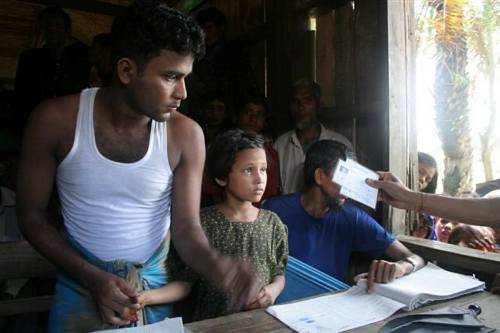
A young Muslim girl (Rohingya) picks up her identity document provided with UNHCR assistance in Burma's N. Rakhine State. (Photo courtesy of UNCHR)
Among the most egregious stories are those of the Rohingya, a Muslim minority from Burma's Northern Rakhine State who have lived in Burma for centuries, but were excluded from the country's 1982 citizenship law and continue to suffer persecution, including forced labor, confiscation of property, rape, and other forms of violence. While approximately 750,000 Rohingya remain in Burma, an estimated three million Rohingya have fled to Bangladesh, Thailand, Malaysia, India, Saudi Arabia, and other countries in the region. Although some have been recognized as refugees, many others lack documentation and are at risk of arbitrary arrest and detention, deportation back to Burma, human trafficking, and other abuses. The Obama Administration is working with other donor governments, international and non-governmental organizations, and affected countries in the region to provide assistance to the Rohingya and identify durable, humane, and comprehensive solutions for their plight.


Globally, the U.S. government is concerned about statelessness as a human rights and humanitarian issue that impacts prospects for democratization, economic development, and regional stability. U.S. diplomats around the world are working to persuade other governments to amend nationality laws that discriminate against women and minorities and cause statelessness, provide documentation to stateless persons, protect them from abuse, and ensure they have access to basic services. And we are the single largest donor to the Office of the UN High Commissioner for Refugees (UNHCR), the agency mandated to protect stateless people, contributing over $700 million last year.

Happily, the laws of the United States do not contribute to the problem of statelessness; we grant citizenship through birth in the United States, birth abroad to a U.S. parent if statutory requirements are met, and through naturalization. To be sure, certain provisions of the 1961 Convention would make it difficult for the United States to move toward ratification -- for example, the Convention limits voluntary renunciation of nationality in ways that would conflict with the right to voluntary expatriation that is recognized under U.S. law. Nonetheless, we support the objectives and principles of the 1961 Convention as well as the 1954 Convention relating to the Status of Stateless Persons, and we believe other governments should consider accession and implementation as a means to minimize statelessness.

Preventing and reducing statelessness requires first that governments, civil society groups, and international and regional organizations recognize the problem, its causes, and the suffering and indignities it inflicts on millions of people around the world. But recognition is not enough -- governments around the world must be pressed to take strong action to address this eminently solvable problem and ensure a brighter future for millions of disenfranchised and vulnerable people.

Eric P. Schwartz is U.S. Assistant Secretary of State for Population, Refugees, and Migration.

Credit : huffingtonpost
By MARK FARMANER

Promises for a ‘new Burma’ echo past dictators thumbnail
Recent pledges of reform by Burmese President Thein Sein are nothing new (Reuters)
Much has been made of the flurry of initiatives by Thein Sein since he became president earlier this year, but his surprising enthusiasm for recycling seems to have gone unnoticed.
If the recent steps he has taken are examined in more detail, it turns out most are not new or as significant as many seem to think. Rather, they are recycled from his predecessors, Than Shwe and Ne Win.
On 31 March Thein Sein made a speech to parliament promising reforms – chiefly economic, not political. The fact that the speech got so much attention was surprising in itself. Thein Sein was on the ruling Council of the dictatorship for 14 years. The track record of the dictatorship in telling the truth during that time is amongst the worst in the world – they have lied in media, lied at international conferences, lied at the UN General Assembly, and lied to successive UN envoys, even when they knew those envoys were reporting back to the UN Security Council. For example, after his visit in November 2007, UN envoy Ibrahim Gambari faithfully reported back to the Security Council promises by the regime to halt arrests and release political prisoners. However, there were no releases, and the arrests continued. Since early 2007 Thein Sein, as prime minister, has been the main person responsible for telling lies on behalf of the dictatorship. There has been speculation that his experience and skill in dealing with the international community was one of the reasons Than Shwe picked him for the job.
Little attention was given to reasons Thein Sein gave for needing economic reform, such as “building military might” and that the  “National Economy is associated with political affairs. If the nation enjoys economic growth, the people will become affluent, and they will not be under the influence of internal and external elements.” In his own words, Thein Sein’s stated motivation for economic change is strengthening the military and consolidating power, not tackling poverty.
It has been stated that Thein Sein’s promises of reform are new for a Burmese president, but they aren’t. The previous dictator, Than Shwe, made similar pledges, though without the high profile rhetoric.  In fact, in 1992, when he became dictator, Than Shwe did more than just talk, he admitted there were political prisoners, and released more than 400 of them. This is in stark contrast to Thein Sein’s regime, which denies that political prisoners even exist.
Khin Nyunt, head of military intelligence and later prime minister under Than Shwe, also made regular promises of reform, in public and in private.  Go back further and there are numerous examples of Ne Win, Burma’s first dictator, doing the same, often in similar grand speeches. Again, no genuine reforms followed.
The meeting held between Aung San Suu Kyi and Aung Kyi, the government minister appointed to liaise with her, was widely reported as the first meeting since the new government came to power, rather than their tenth meeting over a course of several years, which does not sound quite as significant.  Another meeting followed, the eleventh.
In November 2002 Than Shwe boasted to Japanese Prime Minister Junichiro Koizumi that Aung San Suu Kyi had met with government ministers on 13 occasions, and had met with a liaison officer an incredible 107 times. These meetings didn’t lead to political reforms.
There has also been an offer of ceasefire talks to armed ethnic political parties. This must have been received with incredulity by the Shan State Army–North and Kachin Independence Organisation.  In March and June respectively they had been attacked by the Burmese Army for refusing to become Border Guard Forces under control of the Burmese army, breaking decades-long ceasefire agreements. The Burmese army has been targeting civilians in areas where it has broken ceasefire agreements, with soldiers killing, raping, looting and using forced labour.
Ceasefire offers which turn out to be highly conditional, or in effect amounting to demands to surrender, have been made by dictatorships in Burma dozens of times in the past 60 years. There is nothing new in this proposal to suggest it is genuine this time. But the call served its purpose, adding to the positive mood music and impression of change.
A rumour has also emerged that Thein Sein told an audience that political exiles could return home and help the country develop. Again some hailed this as a sign of change, even though no amnesty was offered, no laws that led to many of the exiles being jailed and forced to flee the country have been repealed, and military attacks of the kind which have forced hundreds of thousands of people to flee their homes have increased, not decreased.
Even if an offer of amnesty was made, again, it would not be new. Ne Win did the same back in 1980. Again it wasn’t a sign of any genuine change on the way.
With the constitution, elections, and release of Aung San Suu Kyi failing to persuade the US, EU and Canada to relax economic sanctions, and even ASEAN delaying a decision to have Burma as its chair in 2014, it obviously became clear to Thein Sein that he would have to do more to present an image of change.  With a decision on the ASEAN chairmanship likely to be made before the end of the year, there is a sense of urgency. To be turned down would be a major blow to Thein Sein and the dictatorship.
This may help explain the flurry of activity. What is highly unlikely, given their track record and continuing actions, is that this has anything to do with genuine reform.
The dictatorship has successfully engaged in lies and delaying tactics for decades. They take superficial actions designed to present the impression that change could be round the corner, but that corner is never turned. All the evidence so far is that we are seeing more of the same. But what is taking place does present an opportunity. Now is not the time to adopt a wait and see approach, or for the usual softly, softly dialogue. A concerted international effort needs to be made, setting the dictatorship clear benchmarks and timelines for change. The international community has what the dictatorship wants, it has leverage. It is time to use it.
Mark Farmaner is director of Burma Campaign UK.


credit : DVB news
ဖက္ဒရယ္ျပည္ေထာင္စု
(ေဆာင္းပါးရွင္ ေဒါက္တာလွဳိင္ျမင့္)

က်ေနာ့္ကို တခ်ိဳ႕ေသာ စာဖတ္ပရိတ္သတ္မ်ားက (အေတာ္မ်ားမ်ားက) ျမစ္ဆံုေရကာတာ ကိစၥကို ေရးသားပါရန္ အတန္တန္ ေရးလာႀကပါတယ္။ က်ေနာ္ ျမစ္စံုေရကာတာကိစၥကို တိတိပပ မသိထားတာလဲရွိ အခုတေလာ လႊတ္ေတာ္မွာလဲ ျငိမ္းခ်မ္းေရးေကာ္မတီ ေနာက္ ျပည္တြင္းမွာ စစ္ပြဲေတြ တဖန္ျပန္ထလာျပီး ျပည္တြင္းျငိမ္းခ်မ္းေရးက တစခန္းထလာေတာ့ ျပည္တြင္းျငိမ္းခ်မ္းေရးဆိုတာ စဥ္းစားလာတာနဲ႔အမွ် က်ေနာ္တို႔နိုင္ငံရဲ႕ တန္းတူညီမွ်ေရး ဖက္ဒရယ္မူဆိုတာက ပါလာပါတယ္။ ဒီကိစၥက ျမစ္ဆံုေရကာတာထက္ က်ေနာ္ကို ပိုတြန္းလႈံ႕ေဆာ္ေနတာမို႔ ဖက္ဒရယ္မူေဆြးေႏြးတာကို စတင္လိုက္ပါတယ္။ နားလည္ ေပးနိုင္ႀကမယ္လို႔ ထင္ပါတယ္။ ဒီျပည္ေထာင္စုမူဆိုတာ တိုင္းျပည္ရဲ့ အေရးျဖစ္တာမို႔ အားလံုးနဲ႔ သက္ဆိုင္ေနသလို ဦးေန၀င္းလက္ထက္ မတို္င္ခင္က စတင္ခဲ့တဲ့ တိုင္းရင္းသားေတြနဲ႔ ျမန္မာေတြႀကား အစဥ္အဆက္ျပသနာမို႔ ေခါက္ထားလို႔ မရသလို မေျဖရွင္းလို႔ မရတဲ့အေရးမို႔ ျဖစ္နိုင္သမွ် အျမန္ဆံုးေျဖရွင္းနိုင္ေလ တုိင္းျပည္တခုလံုး ျပည္ေထာင္စု တခုလံုးအတြက္ အက်ိဳးပိုရွိလာမယ့္ အေရးျဖစ္ေနလို႔ပါ။

အခုဖက္ဒရယ္မူကိစၥကိုလဲ မူေတြကို အေသးစိ္တ္ ေထာက္ျပေနတာ မဟုတ္ပါ။ မူရဲ့အေျခခံ အေႀကာင္းအရာေတြကိုသာ ေထာက္ျပမွာပါ။ အေျခခံကိုက ညွိႏွဳိင္းစရာေတြ အမ်ားႀကီးရွိေနလို႔ပါ။

ဖက္ဒရယ္ဆိုတာ မဖတ္ႀကမွီ ပထမဦးဆံုးေျပာလိုတာကေတာ့ အခုဒီဖက္ဒရယ္မူကို ေရးလိုက္တာဟာ ပြဲဆူေအာင္ ေရးတယ္လို႔ မထင္မိႀကဖို႔ပါ။ ဘာလို႔လဲဆိုေတာ့ က်ေနာ္ေရးမွာက က်ေနာ့္အျမင္ ျမင္ေနတာက ၁၉၈၀ ေက်ာ္၀န္းက်င္ကထဲက။ အဲဒီမတိုင္ခင္ကေတာ့ ပင္လံုသေဘာတူညီခ်က္ကို ဘယ္သူ႔ ဆီကမွ မသိနိုင္ေတာ့ ျပည္ေထာင္စုေန႔ဆိုတာ ႏွစ္ေပေလာက္ရွိတဲ့ အလံေလးကို ဟန္ျပျပီး ပြဲေတာ္လုပ္ေနတဲ့ လိမ္ညာမႈတခုလို႔ဘဲ မေက်မနပ္ ရွိေနရတာကလြဲလုိ႔ ဘာမွ မတတ္နိုင္ခဲ့ပါဘူး။ ၁၉၈၀-ေက်ာ္စတြင္ ဦးေန၀င္းရဲ့ အနီးကပ္  လံုျခံဳေရးအရာရွိႀကီး လက္ျပတ္ႀကီးဦးစိန္ျမင့္က သူသိထားသေလာက္ကို ရွင္းျပေတာ့မွ ပင္လံုသေဘာတူညီခ်က္ကို အေတာ္အတန္ သိလာခဲ့ရတာပါ။

အဲဒီမွာ တိုင္းရင္းသားေတြရဲ ့ရွစ္ျပည္နယ္မူ ဆိုတာကို ဦးခြန္ထြန္းဦး ကစရွင္းျပလာေတာ့ ေနာက္မႀကာခင္ သူနဲ႔က်ေနာ္ အေတာ္ေလး အေႀကာက္အကန္ ျငင္းႀကခံုႀကရပါတယ္။ ဒီလိုနဲ႔ ၈၈၈၈-ကာလဘက္ နီးလာတယ္။ ရွစ္ေလးလံုးကာလမွာလဲ က်ေနာ္ သပိတ္စခန္းက ၃၁-လမ္း။ သူ႔ရုံံုးခန္းက ဘားလမ္း။ ရန္ကုန္တိုင္း ေရွ႕ေနမ်ားေကာင္စီ ရံုးခန္းေပါ့။ ဆံုႀကျပန္ေသးတယ္။ က်ေနာ္တို႔က အေမရိကန္သံရံုး ဆင္၀င္ေအာက္မွာ (သံရံုးကကူညီတာပါ) ေဟာေျပာပြဲစင္ျမင့္နဲ႔။ က်ေနာ္က တခါမွ တက္မေဟာပါဘူး  က်ေနာ့္ခ်ာတိတ္ ထိပ္ထိပ္ႀကဲေလးေတြ။ အာဃသတၱိရွင္ေလးေတြ။ လူေလးေတြက အသက္က ၁၅ ကေန ၁၈ ႀကားဘဲရွိေသးတဲ့ ခ်ာတိတ္ေလးေတြ တက္ေဟာတယ္။ နားေထာင္သူပရိတ္သတ္က လမ္းအျပည့္ဘဲ။

ဒီလိုနဲ႔အေရးအခင္းအျပီး ေရြးေကာက္ပြဲ အႀကိဳကာလကထည္းက ဦးခြန္ထြန္းဦးရဲ့ ရွမ္းအမ်ိဳးသား ဒီမိုကေရစီအဖြဲ႔ခ်ဳပ္ ပါတီ၀င္ေတြနဲ႔ပါ ဖက္ဒရယ္ျပည္ေထာင္စု (စစ္စစ္)မူ ေဆြးေႏြးႀကတိုင္း တခ်ိဳ႕တေလက ေဒါသေတြ ပါပါလာတတ္ႀကပါတယ္။ သူတို႔က က်ေနာ္တို႔ကို ဗမာ-မဟာ လူမ်ိဳးႀကီး၀ါဒ လို႔စြပ္စြဲျပီး လူမ်ိဳးႀကီး၀ါဒနဲ႔ အေရာင္ဆိုးျပီး ၀ါးလံုးသိမ္း ရမ္းေတာ့တာပါဘဲ။ သူတို႔လို ရွမ္းလူမ်ိဳး ရွမ္းျပည္နယ္သား ပင္လံုဦးခင္ေမာင္ (ပင္လံုစာခ်ဳပ္မွာ ပါ၀င္ခဲ့သူ)နဲ႔ ရွမ္းလူမ်ိဳး ေတာင္ႀကီးလႊတ္ေတာ္ ကိုယ္စားလွယ္ ဦးေက်ာ္ခင္တို႔နဲ႔က်ေတာ့ ေဆြးေႏြးရတာ အျမင္နီးစပ္ပါတယ္။ ေနာက္ဆံုးဥိီးခြန္ထြန္းဦး အဖမ္းမခံရခင္ ရက္ပိုင္းေလးမွာကို က်ေနာ္က အတန္တန္ သတိေပးပါတယ္။ ရွစ္ျပည္နယ္မူကို မဟပါနဲ႔။ ဒါစစ္တပ္ သိပ္အႀကိဳက္ေတြ႔ေနတဲ့ ေႀကာင္ႀကီးရဲ႕အျမီွးတံတိုဘဲ။ သူကလည္းမရဘူး ရွစ္ျပည္နယ္မူကမွ ျပည္ေထာင္မူစစ္တာဆိုျပီး။

တခါေထာင္ထဲမွာလဲ ဘယ္သူက ဖြေပးတယ္မသိဘူး။ ႏွစ္ႀကိမ္ တိုင္းရင္းသားအဖြဲ႔ေတြ က်ေနာ့္အခန္းကိုလာျပီး ရွစ္ျပည္နယ္မူကို ခင္ဗ်ားက ကန္႔ကြက္တာ ဘာလဲ ရွင္းစမ္းပါအံုးေပါ့။ ေသေသခ်ာခ်ာ ရွင္းျပလိုက္ပါတယ္။ တခါ ျပည္ပေရာက္ေတာ့လဲ ဘန္ေကာက္မွာတင္ ႏိုင္ငံေရးအဖြဲ ့တခုနဲ႔ ထိစပ္မိတာကေန ဘယ္ကေနဘယ္လို သူတို႔ဆီကို သတင္းက ေရာက္ေနတယ္မသိဘူး ခင္ဗ်ားက ရွစ္ျပည္နယ္မူကို လက္မခံနိုင္ဘူးဆိုတာ လုပ္လာပါေလေရာ။

တခါ ၾသစေၾတးလ်မွာလဲ ၂၀၀၈- ေဖေဖၚ၀ါရီလ မွာ အဲဒီတုန္းက အခု Burma Campaign Australia က ဘ႑ာေငြက ေတာင့္တင္းေနတုန္းဆိုေတာ့ တနိုင္ငံလံုး အတုိင္းအတာနဲ႔ ညီလာခံလုပ္ပါတယ္။ တေနကုန္ ေဆြးေႏြးပြဲႀကီးကို ႏွစ္ရက္လုပ္ပါတယ္။ အဲဒီိမွာ တိုင္းရင္းသားအမ်ားစုက ဒီမိုကေရစီအေရးနဲ႔ တိုင္းရင္းသားအေရး (ဖက္ဒရယ္ကိစၥ) တျပိဳင္ထဲလုပ္ရမယ္ ေတာင္းဆိုလာပါတယ္။ အဲဒီလို ေတာင္းဆိုလာေတာ့ ျမန္မာေတြက လက္ေရွာင္ ထြက္သြားႀကပါတယ္။ အားလံုးကေဗ်ာင္ဘဲ။ က်ေနာ္မပါဘူးဆိုျပီး ထြက္သြားႀကပါတယ္။ အခု တီဗီြေတြ ေရဒီယိုေတြအေပၚမွာ အင္တာဗ်ဴးေနတဲ့ ဆရာႀကီးမ်ား အကုန္လက္ေရွာင္ ႀကပါေတာ့တယ္။ ေနာက္ဆံုးေတာ့ တိုင္းရင္းသားေတြ အမ်ားနဲ႔ က်ေနာ္တဦးတည္း ေဆြးေႏြးႀကရပါေတာ့တယ္။ ဘိုမေတြ၊ ဘိုေတြ ထုိင္နားေထာင္ေပးျပီး ၾကပ္မတ္ေပးထားႀကပါတယ္။

အဓီက ေျပာလိုတာကေတာ့ စစ္တပ္ကေရးထားတဲ့ အခုနာဂစ္အေျခခံဥပေဒနဲ႔ နယ္စပ္မွာ လက္နက္ကိုင္ တိုင္းရင္းသားေတြ ဦးေဆာင္ေရးထားတဲ့မူ (ျပည္ေထာင္စုစစ္စစ္မူ @ ရွစ္ျပည္နယ္မူ/ NCUBမူ)  ဆိုတာႏွစ္ခုကေတာ့ ဟိုဘက္ကမ္းနဲ႔ ဒီဘက္ကမ္း ျဖစ္ေနပါတယ္။ ဘယ္လိုမွ မနီးစပ္နိုင္ပါဘူး ။ တိုင္းရင္းသားေတြက ၂၀၀၈- မွာေတာ့ ရွစ္ျပည္နယ္မူကေန ၁၀-ျပည္နယ္မူ ဆိုျပီး ျပည္နယ္ႏွစ္ခုတိုး သတ္မွတ္လာပါတယ္။ ေနာက္ထပ္ထပ္တိုး ျပည္နယ္ေတြအတြက္ပါ ကြက္လပ္ေလးႏွစ္ခု ျပထားပါေသးတယ္။ အမွတ္စဥ္ေလး - ၁၂ အထိ ထိုးထားလိုက္ပါေသးတယ္။

တခါစစ္တပ္ကဆြဲတဲ့ နာဂစ္-၂၀၀၈-ဥပေဒကေတာ့ ဒီမိုကေရစီဆိုတာ အနံ႔ေလးေလာက္ဘဲပါတာပါ။ ေဆြးေႏြးစရာမလိုေတာ့လို ့ ေခါက္ထားလိုက္ပါတယ္။ ေနာက္တခု အဓိကထားေျပာလိုတာကေတာ့ ၁၉၆၂ -ႏွစ္ေေဖၚ၀ါရီလမွာ ရွမ္းျပည္နယ္ ေတာင္ႀကီးျမိဳ႕မွာ ျမန္မာ(ဗမာ)မပါဘဲ တိုင္းရင္းသားေတြက ျပည္ေထာင္စု (စစ္စစ္ )မူ / ရွစ္ျပည္နယ္မူကို တင္ဖို႔လုပ္လာေတာ့ ဒီကိစၥကို အခြင့္ေကာင္းယူျပီး ဦးေန၀င္းက အာဏာသိမ္းလိုက္တာပါဘဲ ။ ဦးေန၀င္း အာဏာသိမ္းေတာ့ တိုင္းျပည္ျပိဳကြဲမယ့္ အေရးကေန ကာကြယ္ဖို႔ေပါ့။ အဲဒီအခ်ိန္က ျမန္မာနိုင္ငံေရးသမားေတြက ဦးေန၀င္းရဲ့ အေႀကာင္းျပခ်က္ကို သိပ္အေႀကာက္အကန္ မျငင္းနိုင္ခဲ့ႀကပါဘူး။ ျမန္မာ(ဗမာ) လူမ်ိဳးဘက္ကေန ႀကည့္ေတာ့ ဗမာေတြအတြက္ ကိုယ္ျပည္နယ္နဲ ့ဆိုင္တဲ့ကိစၥ တခုခ ုဆံုးျဖတ္ခ်င္ရင္ေတာင္မွ တိုင္းရင္းသားေတြ ခြင့္ျပဳမွ တိုင္းရင္းသားေတြ သနားမွ လုပ္ခြင့္ရေတာ့မယ့္ ဘ၀ကို လံုးလံုးေရာက္သြားပါျပီ။ ဒီရွစ္ျပည္နယ္မူကို ဗမာကိုယ္စားလွယ္ေတြက လက္မခံနိုင္ႀကပါဘူး။ လက္ခံဖို႔ သိပ္ခက္ေနပါတယ္။ လက္မခံေတာ့ တိုင္းရင္းသားေတြဘက္က ဒါမဟာလူမ်ိဳး၀ါဒ ဆိုတာကို တြင္တြင္ ေအာ္ေတာ့တာပါဘဲ။ ဒါေပမဲ့ လြတ္ေတာ္မွာက အဖြဲ႔ေတြ အကြဲကြဲျဖစ္ေနခ်ိန္ကို တိုင္းရင္းသားေတြက အခြင့္ေကာင္းယူလာတယ္လို႔ တပ္မႈးေတြက လံုး၀ယူဆထားႀကပါတယ္။

အခုဒီမိုကေရစီ အနံအသက္ေလး တစတစ ရႈလာရျပန္ေတာ့ တိုင္းရင္းသားလူမ်ိဳးစုေတြက ပင္လံုစိတ္ဓါတ္ဆိုျပီး တခါဒီရွစ္ျပည္နယ္မူကို ထပ္မံျဖည့္စြက္ထားတဲ့ ၁၀-ျပည္နယ္မူဆိုတာ အခုကိုင္ထားႀကပါတယ္။ တခါစစ္တပ္ကလဲ စစ္တပ္အာဏာ ေျဖေလွ်ာ့လိုက္ရရင္ ျပည္ေထာင္စု စစ္စစ္မူတင္လာရင္ ျပည္ေထာင္စုႀကီးျပိဳကြဲျပီး အာရွေဘာ္လကန္အေရးအခင္း (အာရွေဘာစနီးယား) ေသခ်ာေပါက္ျဖစ္လာမယ္လို႔ အာဆီယံကို အတိအလင္းေျပာထားတာ အႀကိမ္ႀကိမ္ပါ။  အာဆီယံ နိုင္ငံေတြကလဲ စစ္တပ္အျမင္ကို မျငင္းနိုင္သလို အာဆီယံအဖြဲ႔၀င္တခ်ိဳ႕ကပင္ အာရွေဘာ့စနီးယား ျဖစ္လာမယ္လို႔ကို စစ္တပ္ဘက္ကေန ေထာက္ခံထားႀကပါတယ္။

အဲဒီေတာ့ ကေန႔လြတ္လပ္မႈေလး တစတစဖြင့္ေပးလာတာကို က်ေနာ္တို႔က အေမွ်ာ္အျမင္ႀကီးႀကီး သေဘာထားႀကီးႀကီးနဲ႔ လိမၼာစြာယူႀကမလား စားခြက္လုႀကမလား။ စစ္တပ္ကေတာ့ ၂၀၀၈-နာဂစ္မူမွာ ျပည္ေထာင္စုျပိဳကြဲမဲ့အေရး ျပည္တြင္းစစ္မီးႀကီိး ေတာက္ေလာင္ လာနိုင္ေခ်ရွိရင္ စစ္တပ္ကို အာဏာျပန္လႊဲေပးရမယ္ (အာဏာသိမ္းတာ မဟုတ္ေနာ္) ဆိုတာကိုထဲ့ထားတယ္။ စစ္တပ္အာဏာသိမ္းလဲ ခ်မယ္။ ေဘာ္လကန္လို လြတ္လပ္ေရး ယူပစ္မယ္လို႔ ဆံုးျဖတ္ထားႀကရင္ေတာ့ မသိဘူး။

ရွစ္ျပည္နယ္မူဘဲ ေျပာႀကပါစို႔။ အခုရွစ္ျပည္နယ္မူဆိုတာကို ျမန္မာ(ဗမာ) အမ်ားစု သဲသဲကြဲကြဲ သိရေအာင္ က်ေနာ္အျမင္ေလးကို ေရးျပခ်င္ပါတယ္။ ဗမာထဲကလဲ က်ေနာ္နဲ႔ အျမင္မတူ နိုင္သူမ်ားလဲရွိပါမယ္။ တဖန္အျမင္တူေသာ္လဲ ကိုယ္အသက္အႏၱရယ္ကို စိုးရိမ္ရလို႔ (တတိယနိုင္ငံမွာ ေနသူေတြေတာင္ လန္႔ႀကပါတယ္ဆိုတာ ဘာေႀကာင့္ပါလိမ့္ က်ေနာ္ေတာ့မသိဘူး) က်ေနာ့္အျမင္ကို မေထာက္ခံရဲသူေတြလဲ အမ်ားႀကီးရွိႀကပါမယ္။ က်ေနာ္ အင္တာနက္ေပၚကေန ဒီိကိစၥေဆြးေႏြးရင္ မဲေဆာက္က လူေတြက ဆရာမ်က္ႏွာသစ္စရာ မရွိေအာင္ လုပ္ေနတာလားလို႔ ျပန္ေျပာပါတယ္။ ဗမာေတြက လူမ်ိဳးႀကီး၀ါဒ ကိုင္ထား မထားေတာ့မသိ ကိုယ္နဲ႔ အျမင္တူတာကို နားမေထာင္၀ံ့ ႀကတာေတာ့ သိပ္ေသခ်ာေနပါတယ္ ခင္ဗ်ာ။

အဲဒီေတာ့ ဦးခြန္ထြန္းဦးတို႔နဲ႔ ေဆြးေႏြးတဲ့အခါ ေထာင္ထဲမွာ ဘန္ေကာက္မွာ မေလးရွားမွာ အခုေၾသာိစီမွာ ေဆြးေႏြးတိုင္း တိုင္းရင္သားအားလံုးနီးပါးက အေမရိကန္ျပည္ေထာင္စုရဲ့ ဖက္ဒရယ္မူကို နမူနာျပဳေျပာဆို ခိုင္းႏွဳိင္း ေျပာဆိုႀကပါတယ္။ ထံုးစံအတိုင္းေပါ့။ အေမရိကန္မွာက လႊတ္ေတာ္ႏွစ္ရပ္ရွိပါတယ္။ အထက္လႊတ္ေတာ္ေခၚတဲ့ ဆီးနိတ္ (SENATE)နဲ႔ ေအာက္လႊတ္ေတာ္ေခၚတဲ့ HOUSE of REPRESENTATIVEေပါ့ ႏွစ္ရပ္ရွိပါတယ္။ ေအာက္လႊတ္ေတာ္အတြက္ ကိုယ္စားလွယ္ကို လူဦးေရအလိုက္ လူဦးေရအခ်ိဳးက် ကိုယ္စားလွယ္ အေရအတြက္ကို ေရြးေကာက္ တင္ေျမာက္ရတာပါ။ အထက္လႊတ္ေတာ္ကိုေတာ့ တျပည္နယ္ကို ကိုယ္စားလွယ္ဦးေရ ညီတူမွ်တူ (ျပည္နယ္လူဦးေရ ဘယ္ေလာက္ဘဲ ရွိေနပါေစ) အေရအတြက္ အတူတူဘဲ ေပးထားပါတယ္။ ျပည္နယ္တခုကို ႏွစ္ဦးက်စီ ဘဲလႊတ္ခြင့္ရွိပါတယ္။ အင္မတန္ေသးငယ္တဲ့ ကၽြန္းငယ္ငယ္ေလး ျဖစ္ေနတဲ့ ျပည္နယ္ေလးကလဲ ကိုယ္စားလွယ္ႏွစ္ဦးဘဲ အင္မတန္ႀကီးမားျပီး လူဦးေရသိပ္မ်ားတဲ့ ျပည္နယ္ႀကီးကလဲ ႏွစ္ဦးပါဘဲ။

တခါ အေမရိကန္ျပည္ေထာင္စုဟာ ဒီဘက္ေခတ္ကာလ ဘုရင္စံနစ္(အဂၤလိပ္) ေတြကို ေတာ္လွန္ျပီး ဒိမိုကေရစီစံနစ္ကို ခုိင္ခို္င္မာမာ ဦးေဆာင္ေနတယ္။ နိုင္ငံေရးက တည္ျငိမ္တယ္ နိုင္ငံေရး တည္ျငိမ္ေတာ့ စီးပြားေရး၊ ပညာေရးမွာ ဦးေဆာင္လာနိုင္ျပီး ကမၻာကိုဦးေဆာင္ေနပါတယ္။ က်ေနာ္တို႔ အခုဆိုအတုိက္အခံ အင္အားစုအမ်ားဆံုးကလည္း အေမရိကန္မွာ အေျခခ်ေနထိုင္ေနႀကတယ္။ အေမရိကန္ျပည္ေထာင္စုရဲ့ ဖြဲ႔စည္းပံု အေျခခံဥပေဒဟာ က်ေနာ္တို႔ နုိင္ငံအတြက္ စံနမူနာျပဳေျပာဆို ဥပမာေပး ခိုင္းႏွဳိင္း ေျပာဆိုတတ္ႀကပါတယ္။

တိုင္းရင္းသားနိုင္ငံေရး အင္အားစုေတြကလည္း အေမရိကန္ဖြဲ ့စည္းပံုကို နမူထားေျပာဆိုတတ္ႀကပါတယ္။ အဲဒီမွာ ေျပာစရာေတြ ရွိလာပါတယ္။ တိုင္းရင္းသားေတြ ေရးဆြဲထားတဲ့ဖြဲ ့စည္းပံုကို ျပည္ေထာင္စုစစ္စစ္မူ လို႔ဆိုထားတယ္။ ျပီးေတာ့ဒီမူက အေမရိကန္မူကို နမူနာ ယူထားတယ္ ဆိုႀကပါတယ္။ တကယ္ေတာ့ လံုး၀ႀကီး ေျပာင္းျပန္ ဆန္႔က်င္ဘက္ျဖစ္ေနပါတယ္။ ထပ္ျပီးေျပာပါမယ္။ တိုင္းရင္သားေတြရဲ့ ျပည္ေထာင္စုစစ္စစ္မူနဲ႔ အေမရိကန္ျပည္ေထာင္စုမူက လံုး၀ႀကီး ဆန္႔က်င္ဘက္ ျဖစ္ေနပါတယ္။ တခါတိုင္းရင္းသားေတြရဲ့ မူကမွ ျပည္ေထာင္စုစစ္စစ္မူ ဆိုထားျပန္ေတာ့ သူတို႔နမူနာထားခဲ့တဲ့ အေမရိကန္မူႀကီးက ျပည္ေထာင္စုမူ မစစ္ေတာ့တဲ့ သေဘာေရာက္သြားျပန္ပါတယ္ ။

ဘာေတြေႀကာင့္ ဆန္႔က်င္ဘက္ျဖစ္ေနပါတယ္ ေျပာရပါသလဲဆိုေတာ့ အေမရိကန္မွာ အခုႀသစေတးလ်တို႔မွာ ျမန္မာတိုင္းရင္းသားေတြ အပါအ၀င္ လူမ်ိဳးေပါင္းစံု ေရာက္ေနႀကပါျပီ။ အခုက်ေနာ္တို႔ အတိုက္အခံ ၀က္ဆိုဒ္ေတြေပၚမွာ မင္းကဘာလူမ်ိဳး ငါတို႔ကညာလူမ်ိဳးေတြ ေအာ္ႀကီးဟစ္က်ယ္ လုပ္ေနႀကပါတယ္။ ျမန္မာလိုခ်ေနတာမ်ားပါတယ္။ ဒီလိုလူမ်ိဳးကိုခြဲျခားျပီး အျပင္မွာေျပာရင္ အလုပ္မွာကအစ ဒီလူဟာ လူမ်ိဳးေရးအစြဲႀကီးသူ လူမ်ိဳးေရးခြဲျခားသူ အျဖစ္ အသတ္မွတ္ ခံရမယ္ဆိုတာ ဒီလူေတြသိပ္သိတာေပါ့။ အျဖဴေတြနိုင္ငံမွာေန အျဖဴေတြႀကားမွာက်ေတာ့ လူကိုလူလို႔ဘဲ ေျပာဆိုေနႀကျပီး ျမန္မာျပည္သားခ်င္းႀကေတာ့မွ ဘာလူမ်ိဳးက ဘယ္လို ညာလူမ်ိဳးကနဲ႔ ေအာ္ခ်က္ထုတ္ေနတာေလး ျပန္ေတြးႀကည့္ႀကပါ။

ေအာက္လႊတ္ေတာ္ ႏွစ္ရပ္ကို ယွဥ္ႀကည့္ရင္ အေမရိကန္မူနဲ႔ ရွစ္ျပည္နယ္မူက အတူတူပါဘဲ။ ဆန္႔က်င္ဘက္ျဖစ္ေနတာက အထက္လႊတ္ေတာ္မွာပါ။ ဟိုမွာက အထက္လႊတ္ေတာ္ဆိုတာက လူမ်ိဳးကို အေျခခံျပီး သတ္မွတ္ထားတာ မဟုတ္သလို ေရြးခ်ယ္မႈကိုလည္း ျပည္နယ္နံမည္(တနည္း-ေဒသကို အစြဲျပဳထားတယ္)။ ဒိီမွာက လူမ်ိဳးစုလႊတ္ေတာ္။ လူမ်ိဳးကို အေျခခံျပီး ေရြးခ်ယ္ထားတာ ျဖစ္ေနတယ္။ လူမ်ိဳးေရးခြဲျခားထားျပီ။ က်ေနာ္နဲ႔ အဲဒီလူမ်ိဳး အမည္တတ္ထာတာကို ေဆြးေႏြးေတာ့ သူတို႔က လူမ်ိဳးနဲ႔ မခြဲျခားပါဘူး။ ဥပမာရွမ္းျပည္နယ္ကေန ျမန္မာလဲ၀င္အေရြးခံခြင့္ ရွိပါတယ္ေပါ့။ ဒါဆိုဘာလို႔ ရွမ္းျပည္နယ္လို႔ မသတ္မွတ္ခ်င္ ရတာလဲဆိုေတာ့ အေျဖခက္ေနႀကတယ္။

အဲဒီလို လူမ်ိဳးကို အေျခခံထားတာကိုက ဒီမိုကေရစီမူေတြ ဒီမိုကေရစီစံေတြနဲ႔ ဆန္႔က်င္ဘက္ လံုးလံုးႀကီးျဖစ္သြားပါျပီ။ ထပ္ေျပာပါမယ္။ လူမ်ိဳးဆိုတဲ့နာမကို ထဲ့သံုးျပီး သတ္မွတ္လိုက္ရင္ ဒီမိုကေရစီကို မဟုတ္ေတာ့ပါဘူး။ ႀကိဳက္သလို သတ္မွတ္ေပေတာ့ ဒီမိုကေရစီမဟုတ္ေတာ့ ဆိုတာကေတာ့ ေသခ်ာသြားျပီ။ ဘာလို႔လဲ.... ရွင္းပါတယ္။ ဒီမိုကေရစီရဲ့ အဓိပၸါယ္ ဖြင့္ဆိုခ်က္မွာ ပထမဦးဆံုးေသာ စာသားမ်ားမွာ ဆိုထားတာကိုက ဒီမိုကေရစီဆိုသည္မွာ လူမ်ိဳး/ ဘာသာ/ အသားအေရာင္/ အသက္အရြယ္/ ပညာ/ က်ား/မ ဘာညာ မခြဲျခားေစရဟု ဆိုထားျပီး အခုဖက္ဒရယ္ စစ္စစ္မူႀကီးမွာ အထက္လႊတ္ေတာ္ကို အမ်ိဳးသားလႊတ္ေတာ္ (ယခင္ကေတာ့ လူမ်ိဳးစုလႊတ္ေတာ္) ဆိုျပီး လူမ်ိဳးနဲ႔ ခြဲျခားထား မိလွ်က္သား ျဖစ္ေနလို႔ပါ ။

အဲဒီမွာ အေမရိကန္ျပည္ေထာင္စုမူနဲ႔ ျပဒါးတလမ္း သံတလမ္း ကြဲထြက္သြားပါျပီ။ ေနာက္ျပီး က်ေနာ့္နဲ႔ ေဆြးေႏြးသူေတြ နမူနာေပးတတ္တာေလးက တူေနတတ္ပါတယ္။ ခင္ဗ်ားအေမရိကန္က ေမလီလင္းျပည္နယ္ေလးကို သိတယ္ေနာ္။ ဟုတ္ကဲ့သိပါတယ္ဆိုရင္ အဲဒီေမရီလင္း ျပည္နယ္ေလးက ေသးေသးေလး ဒါေပမဲ့ အထက္လႊတ္ေတာ္ကို ျပည္နယ္ႀကီးေတြနဲ႔ တန္းတူ အထက္လႊတ္ေတာ္အမတ္ ႏွစ္ဦးက် ခြဲတမ္းအရ တက္ရတယ္ေပါ့။ ခြဲတမ္းက တန္းတူရတယ္ေပါ့။

က်ေနာ္ကျပန္ေမးျပီ အဲဒီ ေမရီလင္းလူမ်ိဳးေတြက ဘာစကားေျပာသလဲေပါ့။ ဘယ္တိုင္းျပည္ကေန အေမရိကားကို လာေရာက္ အေျခခ်သူေတြလဲေပါ့။ အ၀တ္အစားက ဘယ္လို၀တ္စံုလဲ။ ေမးျပီ။ ခင္ဗ်ားက အေမရိကန္နိုင္ငံအေႀကာင္း သိပ္မသိေသးဘဲကိုး။ ေမရီလင္းဆိုတာ လူမ်ိဳးကို ေျပာေနတာမဟုတ္ဘူး။ ျပည္နယ္ေလး ျပည္နယ္ေလးမွ ေသးေသးေလး။ ေအာ္ဒါနဲ႔ ေျပာပါအံုး သူတို႔နဲ႔ ႏိွဳင္းယွဥ္ေျပာေနလို႔ ခင္ဗ်ားတို႔မူနဲ႔ ဘယ္ေနရာ တူတာလဲေပါ့။ လာျပီ အခုက်ေနာ္တို႔မူက ကယားျပည္နယ္ေလးက ေသးေသးေလးေပမယ့္ အေမရိကန္လိုဘဲ လူမ်ိဳးစုလႊတ္ေတာ္မွာ ဗမာျပည္နယ္ႀကီးလိုဘဲ ကိုယ္စားလွယ္ငါးဦး တန္းတူညီတူ တက္ခြင့္ ေပးထားတယ္ေပါ့။ လာျပီ က်ေနာ္ေထာက္ျပီ။ ခင္ဗ်ားတို႔က ခုနက ေမရီလင္းက လူမ်ိဳးနာမည္မဟုတ္ဘူး ေဒသအမည္ ျပည္နယ္ကို ကိုယ္စားျပဳတယ္လဲ ဆိုထားတယ္။ အခုခင္ဗ်ားတို႔ သံုးထားတာ လူမ်ိဳးအမည္ သံုးထားေတာ့ လူမ်ိဳးစုလႊတ္ေတာ္တဲ့။ ဟိုမွာက ဘာလူမ်ိဳးကိုမွ စကားထဲထဲ့ မေျပာရဘူး။ နယ္ကိုယ္ကိုယ္စား ျပဳထားတာ။ ေနာက္ေမရီလင္းက နယ္သာေသးတာ ဓနအင္အားက အင္အားႀကီး လူဦးေရက်ေတာ့ အလြန္မ်ားတယ္။ မတူတာကိုလာ ဥပမာေပးေနတာ။ အဲဒီမွာ လႊဲေနျပီ ကြဲေနျပီ။ ေမရီလင္းက ေဒသ အမည္ကို ယူထားတာ။ လူမ်ိဳးဆိုတာ ျဖဴသလားမဲသလား။ ဒီမွာက ရွမ္းလူမ်ိဳး၊ ကခ်င္လူမ်ိဳး၊ လူမ်ိဳးနာမည္ ယူထားတာကို ဒီႏွစ္ခုက အတူတူပါဘဲဆိုေတာ့ ။

နယ္ကို ကိုယ္စားျပဳ သတ္မွတ္ထားျပီး လူမ်ိဳးကို ကိုယ္စားျပဳထားတာ မဟုတ္ေတာ့ အဲဒီ့ အထက္လႊတ္ေတာ္အမတ္က သူ႔နယ္သားေတြ နယ္အေႀကာင္းေတြ တင္ျပတဲ့အခါ ဘယ္လူမ်ိဳးကမွ မေက်နပ္စရာ မရွိေတာ့ဘူး။ ဒီမွာက ဥပမာ ရွမ္းလူမ်ိဳး ကိုယ္စားလွယ္က ရွမ္းလူမ်ိဳးအေရး ပိုေျပာေနတာဘဲ ငါတို႔ဓႏုေတြ ပအိုဝ္းေတြအေႀကာင္း မတင္ျပဘူးျဖစ္ကုန္ျပီ။ တခါ ဥပမာေပါ့  အမ်ိဳးသား/ လူမ်ိဳးစုလႊတ္ေတာ္မွာ ႏွစ္ေယာက္ဆီဘဲ တက္ဖို႔ သတ္မွတ္လိုက္တယ္။ ထားပါေတာ့ ရွမ္းျပည္နယ္မွာ ရွမ္းကတေယာက္ေပါ့ ထားပါ ပအိုဝ္းကတေယာက္ယူလိုက္ရင္ က်န္တဲ့လူမ်ိဳးစု အငယ္ေတြကို ဘယ္သူက ကိုယ္စားျပဳေတာ့မလဲ။ ျပဳပါတယ္ေျပာလဲ ပေထြးနဲ႔ ဆက္ဆံရသလို ခံစားေနရျပီေလ။ လူမ်ိဳးအမည္ တပ္ထားေတာ့ သူ႔တို႔ကိုခ်န္ထားရျပီ။

တခါ ၀လူမ်ိဳးေတြကလဲ တပူထလာမယ္ေလ။ ပေလာင္ အားလံုး လိုခ်င္လာႀကမယ္။ ထားပါ ရွမ္းနဲ႔ ပအိုဝ္းကုိယ္စားလွယ္ ႏွစ္ဦးတက္ခြင့္ယူထားေတာ့ ပေလာင္က သူတို႔အေရးကိစၥကို ဘယ္သူကေန တင္ျပရမွာလဲ။ ရွမ္းကိုယ္စားလွယ္ ကေနလား။ ပအိုဝ္းကိုယ္စားလွယ္ကို ကပ္ရေတာ့မွာလား။ ထားေတာ့ အဲဒီမွာ ပေလာင္က တင္ျပခ်င္တာက သူတို႔ လူမ်ိုးစုနဲ႔ ရွမ္းလူမ်ိဳးစုႀကား ျဖစ္ေနတဲ့ ျပသနာမ်ိဳးကို ဘယ္သူဆီက တင္ျပရေတာ့မလဲ။ အခုကို ၀လူမ်ိဳးစု နဲ ့ ရွမ္းေတြအႀကား နယ္ေျမပိုင္ဆိုင္မႈ ရွိေနတယ္ေလ။ လူမ်ိဳးစုလႊတ္ေတာ္ကို ၀လူမ်ိဳးေတြက တင္ျပခ်င္ရင္ ဘယ္သူကေန တင္ျပရေတာ့မလဲ။

ေနာက္ ရွိပါေသးတယ္။ တိုင္းရင္းသားေတြ ေဆြးေႏြးတတ္တာေလး။ ဗိုလ္ခ်ဳပ္ေအာင္ဆန္းက ေျပာခဲ့တယ္။ ကရင္တက်ပ္ ဗမာတက်ပ္တဲ့။ အထက္လႊတ္ေတာ္မွာ ဗမာ-တေယာက္တက္ရရင္၊ ကရင္လဲ တေယာက္ေပါ့။ အဲဒီမွာ က်ေနာ္ကေျပာျပီ။ ခင္ဗ်ားအခုက်ေနာ္နဲ႔ ေဆြးေႏြးတယ္။ ခင္ဗ်ားက က်ေနာ့္ကိုေတာ့ စကားကို ကပ္သပ္ျပီးေျပာတယ္ေပါ့။ က်ဳပ္ေျပာေနတာ ဥပေဒရႈေဒါင့္ကေန။  ခၽြင္းခ်က္ ဟာကြက္မရွိေအာင္ ေဒါင့္ေစ့ေအာင္ေျပာေနတာ။ ဒါက်ဳပ္က မူေတြဘာေတြ ဘာမွ သိပ္သိတာ တတ္တာ မဟုတ္ေသးဘူး။ ဗိုလ္ခ်ဳပ္ဦးေဏွာက္နဲ႔ ႏိွဳင္းရင္ ျဖဳတ္ကေလးေလာက္ရွိတာ။ ဗိုလ္ခ်ဳပ္က စကားေျပာရင္ ဘယ္စကားက တခ်ိန္မွာ ဘယ္လိုျဖစ္မယ္ ဘယ္လိုအဓိၶပါယ္ ယူသြားနိုင္တယ္ဆိုတာ က်ဳပ္ထက္အဆ ရာခ်ီမက ႀကိဳျမင္တယ္။ ဒါေႀကာင့္သူ ့စကားက ဗမာတေယာက္တမဲ၊ ကရင္တေယာက္လဲတမဲ ဘယ္သူမွ မဲပိုမရေစရလို႔ဆိုခဲ့တာ။ ဗမာျပည္နယ္တမဲ လို႔ေျပာခ်င္ရင္ စကားေျပာကထဲက ဗမာျပည္နယ္ထည္႔ ေျပာမွာေပါ့။ အဲဒီလိုေျပာခ်င္ရင္ ကရင္ျပည္နယ္လို႔ ေျပာရေအာင္ ကရင္ျပည္နယ္လို႔ အဲဒီအခ်ိန္က ေျပာတာေခၚတာ မရွိေသးဘူး မဆိုႀကေသးဘူး။ ျပည္နယ္ကို သူညႊန္းျပီး ေျပာခ်င္ရင္ ဗမာျပည္နယ္ တက်ပ္၊ ကခ်င္ျပည္နယ္တက်ပ္ လို႔ဘဲ ေျပာမွာေပါ့ ။ ကခ်င္က ျပည္နယ္အေနနဲ႔ ေခၚေျပာဆိုေနျပီေလ။ အဲဒီတုန္းက ခ်င္းကိုေတာင္ ခ်င္း၀ိေသသတိုင္းဘဲ သံုးေနေသးတာ။ ခ်င္းျပည္နယ္လို႔ကို မသံုးေသးဘူး။

ဖက္ဒရယ္မူမွာ တကယ္တန္းက တိုင္းရင္းသားေတြ အခ်င္းခ်င္း ေဆြးေႏြးထားတာ ျမင္ထားတာက ေအာက္လႊတ္ေတာ္မွာ ျမန္မာက လူမ်ားစုရထားတယ္။ လႊတ္ေတာ္မွာ ျမန္မာေတြက သူတို႔ျဖစ္ခ်င္တာကိုခ်ည္း ဆံုးျဖတ္မယ္။ သူတို႔ကလူမ်ားစု။ အဲဒီလို ဆံုးျဖတ္ထားတာကို လူမ်ိဳးစုလႊတ္ေတာ္ကေန ဗမာကိုယ္စားလွယ္က ငါးဦးဘဲရွိေတာ့ က်န္လူမ်ိဳးစု ခုနစ္မ်ိဳးက-စုစုေပါင္း (၃၅-ေယာက္)နဲ႔ အေပးအယူလုပ္ျပီး ျပန္ထိမ္းခ်ဳပ္မယ္ဆုိတဲ့ စိတ္ကူးနဲ႔ ဒီလိုလူမ်ိဳးစု လႊတ္ေတာ္နဲ႔ ဆြဲထားတာဆိုတာ သိရပါတယ္ ။

အဲဒီလိုသာဆိုရင္ ဗမာေတြက တခုခုလုပ္ခ်င္ရင္ တိုင္းရင္းသားေတြ အၾကပ္ကိုင္သမွ် လည္စင္းခံေနရေတာ့မွာ။ ဒီေတာ့တခ်ိဳ႕ ဗမာေတြက နယ္ခ်ဲ႕ကို ေတာ္လွန္တာ ဗမာက ဦးေဆာင္တယ္။ တခ်ိဳ႕တိုင္းရင္းသားေတြဆိုရင္ နယ္ခ်ဲ႕ရဲ႕ လက္ကိုင္ဒုတ္ နယ္ခ်ဲ႔ကို အသက္ဆက္ ေပးေနသူေတြ။  အသက္ေပးႀကရတာ အမ်ားစုက ဗမာ။ အခုလြတ္လပ္ေရးရလာျပီး ျပည္ေထာင္စုဖြဲ႔ေတာ့ ဗမာက ဘာလုပ္ခ်င္လုပ္ခ်င္ ငါတို႔က သူတို ့သနားမွ လုပ္ခြင့္ရေတာ့မဲ့ ဘ၀ကို ခ်ိဳးထားတယ္ျဖစ္လာျပီ။ လူမ်ိဳးစုလို လုပ္လိုက္တာန႔ဲ လူဦးးေရ သန္း၄၀-ရွိတဲ့ ဗမာက ၅- ေယာက္။ လူဦးေရ-၁၅-သန္းက ဘဲရွိတဲ့ တိုင္းရင္းသားေတြက- ၃၅.-ေယာက္ဆိုေတာ့ တရားမွ်တမႈ ရွိတယ္မရွိဘူး နိုင္ငံတကာပညာရွင္ေတြကိုသာ ခ်ျပႀကပါ။

တကယ္က တိုင္းရင္းသားေတြက ေအာက္လႊတ္ေတာ္မွာကို လူအနည္းငယ္သာရွိေပမဲ့ ဗမာရတဲ့ အခ်ိဳးထက္ ပိုမိုတဲ့ အခ်ိဳးနဲ႔ ကိုယ္စားလွယ္ေနရာ ပိုရထားပါတယ္။ တိုင္းရင္းသား လူဦးေရ စုစုေပါင္းနဲ႔ သူတို႔ရထားတဲ့ ကိုယ္စားလွယ္ေနရာနဲ႔ ဗမာျပည္နယ္ေတြမွာ ရွိတဲ့ လူဦးေရစုစုေပါင္းနဲ႔ ဗမာျပည္နယ္ေတြက ရထားတဲ့ ကုိယ္စားလွယ္ အခ်ိဳးကို ခ်တြက္ႀကည့္ရင္ ေပၚေနပါတယ္။

ဥပမာ ကယားျပည္နယ္ကို ႀကည့္ပါ။ ျမိဳ႕ေတြက ေသးေသးေလးေတြ။ ျမိဳ႕နယ္လို႔ သတ္မွတ္လိုက္တာနဲ ့ လႊတ္ေတာ္ကိုယ္စားလွယ္ ေနရာေပးရျပီ။ ျမိဳ႕က မဲေပးနိုင္သူဦးေရက ၁၂၀၀- ၁၈၀၀- ဘဲရွိတယ္။ အဲဒီအတြက္ ကိုယ္စားလွယ္ တဦးရျပီ။ ဗမာျပည္နယ္ေတြမွာ ျမိဳ႕ေတြက လူဦးေရကမ်ားေတာ့ မဲေပးခြင့္ရွိသူ တသိန္းကိုမွ ကိုယ္စားလွယ္တဦးရတာနဲ႔ ယွဥ္ႀကည့္ပါ။ အဲဒီလိုအသာရထား တာေတြ အမ်ားႀကီးပါ ။

ဥပမာ တမ်ိဳးလွဲ႔ေပးရရင္ ကယားျပည္နယ္က လူဦးေရစုစုေပါင္းမွ ၂.၅-သိန္း။ ကိုယ္စားလွယ္ ၁၂-ဦိးခန္႔ရထားတယ္။ ရန္ကုန္တိုင္းက လူဦးေရ ၆-သန္းခန္႔။ ကိုယ္စားလွယ္က်ေတာ့ ၄၀-ေလာက္(ထင္)။ ကယားနဲ႔ အခ်ိဳးခ်ႀကည့္လိုက္ရင္ ရန္ကုန္တိုင္းလို လူဦးေရနဲ႔ ကယားရတဲ့အခ်ိဳးနဲ႔ တြက္ႀကည့္ရင္ ကယားျပည္နယ္ကို လူ-၆.၀ သန္းနဲ ့ တြက္လိုက္ရင္္ ကိုယ္စားလွယ္ ၂၅၀-ေလာက္ျဖစ္ေနျပီေလ။

ထားေတာ့ အခုရွစ္ျပည္နယ္မူက ၁၉၆၀-မတိုင္ခင္က တေလွ်ာက္လံုး ရွစ္ျပည္နယ္မူဘဲ ရွိေနရာကေန နယ္စပ္မွာတင္ ဘယ္လိုေတြ ျဖစ္တယ္ေတာ့မသိ ၂၀၀၈- မွာက်ေတာ့ ဧရာ၀တီအမ်ိဳးသားျပည္နယ္နဲ႔ တနသာၤရီအမ်ိဳးသားျပည္နယ္ ဆိုျပီး ႏွစ္ျပည္နယ္ထပ္တိုးထားတယ္။ ေနာက္ထပ္ထပ္ျပီးတိုးဖို ့ ႏွစ္ေနရာ အရာေပးထားလာတယ္။ အဲဒီမွာတင္ သူ႔ဟာသူ လႊဲေနတာျပေနျပီ။ ဧရာ၀တီက လူမ်ိဳးမွမဟုတ္တာ။ ေဒသကို အစြဲျပဳေခၚထားတာ။ ဧရာ၀တီစကား ဧရာ၀တီစာေပ ရိုးရာအ၀တ္အစားဆိုတာ ရွိမွမရွိတာ။ ဒီလိုဘဲ တနသၤာရီအမ်ိဳးသားလို႔ သံုးရေအာင္ တနသၤာရီလူမ်ိဳးဆိုတာမွ မရွိခဲ့တာ။ ဘိတ္သား၊ ထား၀ယ္သား၊ ရန္ကုန္သား၊ ေရႊဘိုသား ဆိုတာက ျမိဳ႔ကိုအစြဲျပဳ ေခၚေျပာႀကတာပါ။ နိုင္ငံတကာေရာက္ ပညာရွင္ႀကီးေတြ ေရးဆြဲထားတာ က်ေနာ္လဲ နားမလည္ေတာ့ဘူး။ သူတို႔ကပညာရွင္ေတြေလ။

ဆက္လက္ ေရးသားတင္ျပပါမည္..
အားလံုးကို ေလးစားလွ်က္
လွဳိင္ျမင့္

Credit:demowaiyan
Please click on Image to view larger


By Nancy Hudson-Rodd
Myanmar is celebrating the United Nations' International Day of Democracy 2011, according to the regime's state newspaper, The New Light of Myanmar. "The People's Voice is the Hluttaw's [parliament's] Voice. The People's Will is the Hluttaw's Will. The People's Expectation is the Hluttaw's Implementation," the government mouthpiece stated.

The new elected government fulfilled "the people's aspirations and the wishes of the international community who wanted to see a democratic, stable and prosperous Myanmar", Myanmar's ambassador informed the United Nations Human Rights Council

in Geneva in March. Despite strenuous resistance by "internal elements", the regime has by its own estimation succeeded in transforming traditionally military-run Myanmar into a "democracy".

The regime has often justified its suspension of civil liberties in the name of fighting against "foreign interference" in its internal affairs. For instance, when the International Labor Organization (ILO) urged its 175 member governments to impose sanctions against Myanmar for its use of forced labor, outgoing junta leader General Than Shwe explained to the UN special rapporteur on human eights and the ILO that these moves greatly hindered "democratic development".

Thus Myanmar's citizens have been urged by state media to be "true patriots" and "honest with good attitude for the motherland" during the country's still uncertain political transition. "National people are to build a peaceful and prosperous society through full strength of solidarity" and support the "government in carrying out tasks of public well being, bringing economic benefits to the people after being elected by the public [and] enabling rural farmers to enjoy the benefits" state mouthpiece media recently trumpeted.

The sober reality of life under both the old and new governments, particularly for rural farmers, is the antithesis of the regime's declarations. Indeed, farmers' survival in Myanmar is increasingly threatened by the state as the military and their business partners engage in rampant land-grabbing.

Tay Za, a 47-year-old self-professed billionaire, runs a network of companies that have historically done the military's bidding, often at odds with the interests of the country's impoverished agrarians. In one of his first interviews with the foreign press (June 2011, La Republica), Tay Za boasted about being the richest man in Myanmar.
 
Part of those riches have come from his Htoo Construction Company, which recently cleared land for a PVC factory site that has reportedly destroyed farmers' paddy dykes and embankments. When farmers complained, Major Win Myint, of the army-owned joint partner company, threatened them, according to those involved.

A Myanmar court eventually dismissed the case, stating that the factory was a "government" project and that the Htoo Company was "legally" entitled to forcibly take farmers' land. Army officials severely assaulted farmers who complained at a higher court; allegedly bribed police laid charges against the farmers.


In the upside down world of Myanmar, ordinary citizens and their lawyers who make complaints against officials and companies are attacked and charged with false counter-claims. Farmers have no title to land in "democratic" Myanmar. The 2008 constitution declares the state as the "ultimate owner of all lands and all natural resources above and below the ground, above and beneath the water and in the atmosphere in the Union".

Discipline over rights

But the power of tyrannical rule to control individuals comes not only through terror but through ideas that seek to destroy the human spirit. "Only when everybody abides by disciplines will they all be disciplined persons and will family and society and nation develop," goes a government motto.

Over 2,000 poets, artists, comedians, teachers, students, labor activists, lawyers, journalists, politicians and Buddhist monks who threatened military discipline by speaking truth to power are currently languishing in prison. Many have been tortured. Khun Tun Oo, the 75-year-old chairman of the Shan Nationalities League for Democracy, for one, has been sentenced to 95 years in prison for violating the "5/96 Law Prohibiting People From Criticizing the Constitution". The regime has steadfastly denied holding prisoners of conscience, claiming that all those held committed crimes against the state.

There has been optimistic speculation concerning President Thein Sein's new government. False claims of democratic governance and reform promises have been willing accepted in countries keen to engage the regime. Struggle against repression is a difficult, long term project and many now see short term gains in working with the de facto military rulers.


Seeing no prospect of achieving democracy any time soon, some have concluded it is better to come to terms with what seems to be permanent military rule. Through negotiations, they apparently hope, positive developments will arise and fewer brutalities will be committed.

But why is there a readiness to accept brutal terroristic rule now for a supposedly better hypothetical future? Some cling to illusions - including the notion the military will fade from the political scene - when they have nothing else to grasp. Illusion also makes conducting business with repressive regimes easier for foreign corporations to deny their business ventures support the regime or that they are complicit in human rights abuses.

According to an August 19 state media report, the US-based Caterpillar Global Construction Company signed new agreements to sell heavy machinery and engine parts to the regime at a time its land-grabbing is rampant.

The regime's offer of peace through negotiations is ultimately disingenuous. Current brutalities would end immediately if the regime stopped waging war against its own citizens. They could restore human dignity and rights, free prisoners of conscience, end torture, stop military operations against ethnic minority groups, withdraw from government and apologize to the people if their claims to democracy were genuine.


But Myanmar's junta continues to lie, denying that it holds prisoners of conscience, brutally attacks ethnic minority villages, uses forced labor and child soldiers, and confiscates farmers' lands. Disorder and violence are institutionalized in Myanmar's military rule, and little has changed just because soldiers have switched from army khakis to civilian garbs. Indeed, their culture of denial encourages turning collective blind eyes, leaving abuses unexamined and normalized as part of everyday life.

But not everyone is blinded by the junta's lies. Tomas Ojea Quintana, the UN special rapporteur for human rights in Myanmar, has recommended establishing a UN commission of inquiry into crimes against humanity and war crimes in Myanmar. Fourteen Nobel Peace Laureates, the world's leading jurists and 16 countries have supported the inquiry. These clarion voices make it clear that there is still nothing to celebrate and little to hope for in "democratic" Myanmar.
 
Nancy Hudson-Rodd, PhD, human geographer, former director of the Centre for Development Studies, honorary research fellow, Edith Cowan University, Western Australia, has conducted research in Myanmar for the past decade on the arbitrary confiscation of farmers' land by the military regime. She may be reached at n.hudson_rodd@ecu.edu.au

Credit :Asia Times
အသက္မျပည့္ေသးသည့္ ကေလးငယ္မ်ားအား လိမ္လည္ေခၚေဆာင္ၿပီး ေရာင္းစားေနသူအား ကေလးမိဘမ်ားက အမႈဖြင့္ တိုင္ၾကားခဲ့ေသာ္လည္း အာဏာပိုင္မ်ားက အေရးယူေဆာင္ရြက္ျခင္း မရွိေသးေၾကာင္း ေဒသခံ လူ႔အခြင့္အေရး လႈပ္ရွားေဆာင္ရြက္သူ တဦးက ေျပာသည္။
ပဲခူးတိုင္းေဒသႀကီး အေနာက္ျခမ္း ျပည္ၿမိဳ႕၊ မဂၤလာဦးရပ္ကြက္ေန ေဒၚျမင့္ျမင့္ခ်ဳိသည္ အသက္မျပည့္ေသးသည့္ ကေလးငယ္မ်ားအား စစ္သားစုေဆာင္ေရးတပ္မ်ားသို႔ ပုိ႔ေဆာင္ကာ ေရာင္းစားေနသည္ကို ကေလးမိဘမ်ားက ရဲစခန္းသို႔ တိုင္ၾကားခဲ့ေသာ္လည္း အေရးယူေဆာင္ရြက္ေပးျခင္း မရွိေၾကာင္း ေျပာသည္။

“ေပ်ာက္ဆံုးေနတဲ့ကေလးမိဘေတြက ျပည္ အမွတ္ (၂) ရဲစခန္းမွာ လူကုန္ကူးမႈ တားဆီးကာကြယ္ေရး ဥပေဒ အမွတ္(၅/၂၀၀၅) အရ အေရးယူေပးဖို႔ တိုင္ၾကားခဲ့တာ၊ ပထမေတာ့ ႐ံုးခ်ိန္း ေလးခုေလာက္ခ်ိန္းလိုက္ၿပီး ေသေသခ်ာခ်ာ ေမးျမန္းတာေတြမရွိဘဲ အခုခ႐ိုင္တရားရံုးကို အမႈလႊဲလိုက္တယ္” ဟု လူ႔အခြင့္အေရး လႈပ္ရွား ေဆာင္ရြက္သူက ေျပာသည္။
ေရာင္းစားခံရသည့္ကေလးငယ္မ်ားမွာ ျပည္ၿမိဳ႕မွ အသက္ (၁၄) ႏွစ္အရြယ္ ေနမင္းေမာင္ေမာင္ (ခ) နန္းေဝ၊ ခ်စ္သဲကို (ခ) သန္းထြန္းေအာင္၊ ေမာင္ႏုိင္ေအာင္၊ ေမာင္ေကာင္းထက္ေမာင္၊ မမိုးမိုးခိုင္ႏွင့္ အျခားကေလးငယ္ သံုးဦးခန္႔ ရွိေၾကာင္း ဆက္ေျပာသည္။

မမိုးမိုးခိုင္ကို ေမာင္ခ်စ္သဲကိုႏွင့္အတူ ေခၚေဆာင္သြားၿပီးေနာက္ ရန္ကုန္တိုင္းေဒသႀကီး၊ ေျမာက္ဥကၠလာပၿမိဳ႕နယ္၊ ေအာင္မဂၤလာ အေဝးေျပးကားဂိတ္ရွိ ဝါဝါဝင္းစားေသာက္ဆိုင္တြင္ က်ပ္ေငြ (၅၀၀၀) ျဖင့္ ေရာင္းစားခဲ့ျခင္းျဖစ္ေၾကာင္း ဆက္ေျပာသည္။

“ကေလးမိဘေတြ အားလံုးကေတာ့ တိုင္ထားတယ္၊ အဲဒီမွာ ေမာင္ေကာင္းထက္မိဘေတြ အမွတ္ (၂) ရဲစခန္းမွာ အမႈသြားဖြင့္ေတာ့ ရဲစခန္းက ပုဒ္မ ရွာမေတြ႔ဘူး ေျပာတယ္၊ တရား႐ံုးကို ဦးတိုက္ေလွ်ာက္ထားဖို႔ ေျပာတယ္၊ အဲဒါနဲ႔ တရား႐ံုးမွာ ၇ လပိုင္း ၂၀ ရက္ေန႔မွာ တရား႐ံုး ဦးတုိက္ေလွ်ာက္ထားခဲ့တာ၊ ဒီေန႔အထိ ႐ံုးခ်ိန္းေလးႀကိမ္ေခၚၿပီး ၂၈ ရက္ ၉ လပိုင္းမွာ ခ႐ိုင္လႊဲလိုက္တာ” ဟု ေျပာသည္။


ယင္းကဲ့သို႔ ကေလးငယ္မ်ားအား လိမ္လည္ေခၚေဆာင္ကာ စစ္တပ္သို႔ ေရာင္းစားေနသည့္ ေဒၚျမင့္ျမင့္ခ်ဳိ၏ အမႈတြင္ စစ္သားစုေဆာင္းေရးတပ္မွ တပ္ႀကပ္ႀကီးအဆင့္ရွိသူမ်ား ပါဝင္ေနသည့္အတြက္ ရဲအာဏာပိုင္မ်ားက အေရးယူ ေဆာင္ရြက္ျခင္းမျပဳဘဲ ျဖစ္ေနေၾကာင္း ေဒသခံမ်ားက ေျပာသည္။
ယခင္စစ္အစိုးရ လက္ထပ္ကတည္းက အရြယ္မေရာက္ေသးသည့္ ကေလးသူငယ္မ်ား ကာကြယ္ေစာင့္ေရွာက္ေရး ေကာ္မတီကို ဖြဲ႔စည္းထားခဲ့ေသာ္လည္း ယင္းေကာ္မတီအေနျဖင့္ ယခုႀကံ့ဖြ႔ံအစိုးရ လက္ထပ္အထိတိုင္ ကေလးသူမ်ားႏွင့္ ပတ္သက္ၿပီး တိတိက်က် တစံုတရာ ကူညီေစာင့္ေရွာက္မႈ အလြန္နည္းပါးခဲ့သည့္အျပင္ စစ္တပ္ႏွင့္ အရပ္သားတို႔ ပူးေပါင္းကာ လူကုန္ကူးမႈမ်ားကို ဆက္တိုက္ က်ဴးလြန္ေနလွ်က္ရွိသည္။

Credit : Yoma3
The U.N. secretary general says this year's change of government in Burma has created opportunities for a more inclusive national discourse in the country, but adds that it is too early to say whether real change is occurring.
 
In a report to the United Nations General Assembly this week, Ban Ki-moon says last November's elections, while flawed, and disappointing to many participants, have allowed a resumption of legal political activity after almost five decades of military rule.
 
Mr. Ban welcomes promises of reform from Burma's President Thein Sein, but says the real test will be whether they are implemented in a timely manner. He also notes the release from prison of pro-democracy campaigner Aung San Suu Kyi and her ability now to engage in public activities. He warns that any restrictions on her movements would “cause serious concern.”
 
Mr. Ban says in his human rights report on Burma that the detention of political prisoners is “of deepest concern” to the United Nations and the international community. He says their continued imprisonment will undermine all efforts by the new government to win the confidence of other countries.
 
In conclusion, the secretary general says it is still to be seen whether the Burmese government has the capacity and will to deliver on its reform agenda. He says he is ready to explore with Burma and its international partners how the U.N. can help to bring about effective reform. 
Credit : VOA News
By Zin Linn>>

The Burmese government media announced Tuesday it has established a National Human Rights Commission to look into human rights violations
 
The New Light of Burma reported on September 5 that the 15-member commission is made up of diplomats, academics and former government officials, all of them are retired.
 
The committee was formed following the United Nations Human Rights Envoy to Burma Tomas Ojea Quintana’s visit last month. However, the government said it had already set up the commission before Quintana arrived. Quintana was allowed for the first time to visit prisoners at the notorious Insein Prison and meet with Burma’s Nobel laureate Aung San Suu Kyi.
 
In an interview with VOA’s Burmese service, Quintana said he welcomes the decision to establish the commission, but he also said that the commission must have independence and neutrality.
 
After a four-day tour of the country, Quintana said in a statement dated August 25 that he welcomed a number of initiatives by the nominally civilian government to improve a human rights record that Western leaders have strongly criticized and the United States has called abysmal.
 
He also mentioned ongoing charges of torture and other human rights abuses during his official interviews, as well as the use of prisoners as porters for the armed-forces, and the transfer of prisoners to far-flung prisons where their families cannot visit due to difficult communication.
 
Human rights groups have repeatedly condemned the situation in Burma, which still holds more than 2,000 political prisoners. They say they will wait and see if the commission is effective.
 
The State-media said the Myanmar National Human Rights Commission was formed with the following persons with a view to promoting and safeguarding fundamental rights of citizens described in the constitution of the Republic of the Union of Myanmar. The commission members are as follow:
 
(1) U Win Mra, Ambassador (Retd),Chairman; (2) U Kyaw Tint Swe, Ambassador (Retd), Vice-Chairman; (3) U Tun Aung Chein, Professor (Retd), Department of History, Member; (4) U Hla Myint, Ambassador (Retd), Member; (5) U Than Swe, Director-General (Retd), Forest Department, Member; (6) Dr Nyan Zaw,State Medical Officer (Retd), Member; (7) Dr Daw Than New, Professor (Retd), Department of Law, Member; (8) Daw Saw Khin Kyi, Professor (Retd), Department of International Relations, Member; (9) U Tin Nyo, Director-General (Retd), Basic Education Department, Member; (10) U Kwa Htiyo, State Law Officer (Retd), Member; (11) U Khin Maung Lay, Director (Retd), Labour Department, Member; (12) U Lapai Zawgun, Minister Counsellor (Retd), Member; (13) U Nyunt Swe, Deputy Director-General (Retd), Ministry of Foreign Affairs, Member; (14) Daw San San, Director (Retd), Labour Department,Member; (15) U Sit Myaing, Director-General (Retd), Social Welfare Department, Secretary.
 
Burma government representatives continue to deny any human rights violations, in direct contradiction to the facts on the ground. So, there remains serious doubt whether the newly formed government commission will deal with the facts and take action against human rights abuses in line with the laws.

စက္တင္ဘာလ ၅ ရက္ေန႔ထုတ္ ယူေကမွ Telegraph (တယ္လီဂရပ္) အြန္လိုင္းသတင္းစာက “ျမန္မာမိန္းခေလးမ်ားအား တ႐ုတ္သတို႔သမီးမ်ားအျဖစ္ အတင္းအၾကပ္ေစခိုင္းခံရျခင္း” (Burma’s women forced to be Chinese Brides) အမည္ႏွင့္ သတင္းေဆာင္းပါးတပုဒ္ကို ေ႐ႊလီၿမိဳ႕မွေန၍ ေဒးဗစ္အီမာ (David Eimer) ဆိုသူ ေရးသားလိုက္သည့္ သတင္းကို ဖတ္႐ႈလိုက္ရပါသည္။
သူ႔ေဆာင္းပါး အတိုခ်ဳပ္ကို ေကာက္ရလွ်င္ တ႐ုတ္ျပည္ႀကီး၏ “ခေလးတေယာက္” ေပၚလစီအရ တ႐ုတ္မိသားစုမ်ား ခေလးတေယာက္ ရၿပီးလွ်င္ သားေၾကာကို ဆရာဝန္မွ အလိုအေလွ်ာက္ ျဖတ္ၿပီး ျဖစ္သျဖင့္ တရုတ္မိသားစုမ်ား မိန္းခေလးထက္ ေယာက်္ားေလးကိုသာ ရေအာင္ ႀကိဳးစားယူၾကသျဖင့္ ေယာက္်ားဦးေရႏွင့္ မိန္းမဦးေရ အခ်ဳိးအစားကြာဟမႈ ျဖစ္လာခဲ့သည္။ ခန္႔မွန္းေခ်အရ ေယာက်္ားေလး ၁၂၀ ဖြားျမင္တိုင္း မိန္းခေလး ၁၀၀ ခန္႔သာ ဖြားျမင္သည့္အတြက္ တ႐ုတ္လူမႈေရးသိပၸံ အကယ္ဒမီမွ ထုတ္ျပန္သည့္ ခန္႔မွန္းခ်က္အရ ၂၀၂၀ ခုႏွစ္တြင္ တရုတ္ေယာက္်ား ၂၄ သန္းတို႔အတြက္ လက္ထပ္ယူႏုိင္မည့္ မယားမ႐ွိဟူ၍ ျဖစ္သည္။
တ႐ုတ္၏ ထို “ခေလးတေယာက္ေပၚလစီ” အရ ေယာက်္ားမိန္းမ အခ်ဳိးအစားမညီမွ်မႈေၾကာင့္ မိန္းမ႐ွားပါး မႈဒါဏ္ကို တ႐ုတ္ႏိုင္ငံသည္ ခံစားေန့သည္။ ထိုလိုအပ္ခ်က္ကို တရားဝင္ ေစ့စပ္ေၾကာင္း လမ္္းျခင္းျဖင့္ လက္ထပ္ယူ နိိုင္ေသာ သူမ်ား႐ွိေသာ္လည္း၊ ထိုနည္းလမ္းျဖင့္ မရႏိုင္သူမ်ားက တရားဥပေဒ ေဘာင္ အျပင္မွ နည္းလမ္းမ်ားကို အသုံးခ်လာၾကသည္ဟု ယူနက္စကို၊ ဘန္ေကာက္႐ုံးမွ HIV/ AIDS ႏွင့္ လူကုန္ကူးမႈ ပေပ်ာက္ေရး တာဝန္ခံ ေဒးဗစ္ဖင္းဂိုးလ္ ( David Feingold) က ဆိုသည္။
သူသည္ ၂၀၀၃ ခုႏွစ္က ထုတ္လုပ္ခဲ့ေသာ မိန္းမေရာင္းဝယ္ေရးအေၾကာင္း ႐ိုက္ကူးခဲ့သည့္ ဒါ႐ိုက္တာျဖစ္ သည္။
တ႐ုတ္ႏုိင္ငံတြင္ သတို႔သမီး (မယား) အျဖစ္ အတင္းအၾကပ္ လုပ္ခိုင္းျခင္းခံရသူ မိန္းခေလးအမ်ားစုလာရာ ႏုိင္ငံသည္ ျမန္မာႏိုင္ငံျဖစ္သည္ဟု သူကဆိုသည္။
ေဒးဗစ္က ဗုဒၶဘာသာဝင္မ်ားလည္းျဖစ္ စစ္အာဏာ႐ွင္ စံနစ္ျဖင့္ အုပ္ခ်ဳပ္ေနသူမ်ားလည္းျဖစ္ေသာ ေဂါက္သီး႐ိုက္ရာတြင္လည္း အလြန္ထုံ ဝါသနာပါေသာ ခပ္ေၾကာင္ေၾကာင္ ျမန္မာစစ္ဗိုလ္ခ်ဳပ္မ်ားသည္ ျမန္မာႏိုင္ငံ႐ွိ အမ်ဳိးသမီးမ်ား တ႐ုတ္ႏိုင္ငံသို႔ အေရာင္းစားခံရျခင္း၏ အဓိကတရားခံမ်ားအ ျဖစ္ ေထာက္ ျပခဲ့ သည္။
လြန္မင္းစြာ ဖိႏွိပ္အုပ္ခ်ဳပ္မႈေၾကာင့္ ျပည္သူမ်ားငတ္မြတ္ေခါင္းပါးလာၿပီးစီးပြါးေရးလြန္မင္းစြာနိမ့္က်လာမွဳေၾကာင့္ ၿမန္မာမိန္းခေလးမ်ား လူအေရာင္း အဝယ္ပြဲစားမ်ား၏ ေစ်းကြက္တြင္း သုိ႔ က်ေရာက္လာရသည္ဟု ေထာက္ျပခဲ့သည္။ စီးပြါးေရး၊လူမွဳေရး၊ က်န္းမာေရး၊ ပညာေရး အစစအရာရာ နိမ့္က်မွဳေၾကာင့္ ကုန္ထုတ္ လုပ္မွဳက်ဆင္းလာၿပီး အစာေရစာ႐ွားပါး ျပတ္္လတ္မႈကိုပါၾကံဳေတြ႔လာရသည့္အတြက္ ျမန္မာႏိုင္ငံမွ အမ်ဳိးသမီးမ်ား အစာေရစာ႐ွာရန္အတြက္လည္းေကာင္း၊ မိသားစု ေထာက္ပံ့ရန္အတြက္လည္းေကာင္း တ႐ုတ္ႏိုင္ငံသို႔ ထြက္ၾကသည့္အခါ လူပြဲစားမ်ား၊ ျပန္ေပးသမားမ်ား လက္တြင္းသို႔ သက္ဆင္းၾက ရေၾကာင္း ဆိုသည္။ ျမန္မာျပည္မွ အမ်ဳိးသမီးအမ်ားစုမွာ တ႐ုတ္ႏိုင္ငံသို႔လူကုန္ကူးသူမ်ား၏ ပို႔ျခင္းခံရၿပီးေနာက္ အတင္းအၾကပ္ မယားအျဖစ္ ေပါင္းသင္းခံရျခင္းႏွင့္ အဆုံးသတ္သြားၾကရသည္ဟု သူကဆိုသည္။့

တရုတ္ၿပည္တြင္ခိုးသြင္းလာေသာအမ်ဳိးသမီးတေယာက္၏ တန္ဘိုးသည္ ယြမ္ ၆၀၀၀ ႏွင့္ ၄၀,၀၀၀ အထိ​ ႐ွိၿပီး သူမ၏ အခ်ဳိးအစား၊ အသက္၊ အသားအရည္၊ မ်က္ႏွာသြင္ျပင္ေကာင္းလွ်င္ ေကာင္းသေလာက္ ေစ်းေပးခံရသည္။ စတာလင္ေပါင္ႏွင့္ ၅၆၀ မွ ေပါင္ ၃၇၅၀ အထိ ေစ်းေပါက္သည္။
ယိုးဒယားအေျခစိုက္ ကခ်င္ အမ်ဳိးသမီးအဖြဲ႕မွ ထုတ္ျပန္ခ်က္တြင္ ေရာင္းစားခံရေသာ ျမန္မာမိန္းခေလးမ်ား၏ ၂၅% သည္ အသက္ ၁၈ ႏွစ္ေအာက္ျဖစ္သည္ဟု ဆိုသည္။ “ေယာက္်ားေတြက သူတို႔အတြက္ ခေလးေမြးေပးႏိုင္မဲ့ က်န္းမာသန္စြမ္းၿပီး အသက္အ႐ြယ္ငယ္တဲ့ မိန္းခေလးေတြ လိုလားသည္” ဟု ယူနန္ျပည္နယ္ရွိ ကဝပ္လူကုန္ကူးမႈတုိက္ဖ်က္ေရးအဖြဲ႕(Kwat’s anti-trafficking programme in Yunan Province) ေခါင္းေဆာင္ ဂ်ဴလီယာမရစ္ (Julia Marip)ကဆိုသည္။
“မိန္းခေလးေတြကို ခေလးေမြးေပးဘို႔ စက္တခုလိုဘဲ သေဘာထားၾကတယ္” ဟု သူမကမွတ္ ခ်က္ေပးခဲ့ ပါသည္။
ဤေဆာင္းပါးအစကို ျမန္မာျပည္မွ ၁၂ ႏွစ္သမီးအ႐ြယ္တြင္ ျပန္ေပးဆြဲခံရသည့္ ခေလးမ “အပ” (တိုင္းရင္းသူၿဖစ္ပံုရသည္) ႏွင့္စၿပီး ၎ကို တ႐ုတ္မိသားစုတစုထံတြင္ ျပန္ေပးဆြဲသူမ်ားက ေရာင္းစားခဲ့ၿပီး ၎တို႔၏ အသက္ ၂၀ အ႐ြယ္ သားႏွင့္ ေပးစားရန္ ႀကံစည္ခဲ့ေသာ္လည္း ေနာက္ဆုံး ၃ ႏွစ္အၾကာ တ႐ုတ္ပုလိပ္မ်ားက မွတ္ပုံတင္စစ္ေဆး သည့္အခါတြင္ သူမသည္ ႏုိင္ငံျခားသူျဖစ္ေၾကာင္း ေပၚလြင္သြားၿပီး ျမန္မာျပည္သုိ႔ ျပန္ခြင့္ရခဲ့ျခင္းျဖစ္သည္ဟု အဆုံးသတ္ထားသည္။ ျမန္မာ မိန္းခေလးမ်ားကို ေစ်းလယ္တြင္ ဝတ္ေကာင္းစားလွမ်ားကို ဝတ္ဆင္ေစၿပီး မိတ္ကပ္ျခယ္သလ်က္ ေျဗာင္ေလလံတင္ ေရာင္းခ်သည့္ ေနရာမ်ားလည္း႐ွိေၾကာင္း ထိုေဆာင္းပါးတြင္ ေရးသားထားသျဖင့္ တုန္လႈပ္ေခ်ာက္ျခားစရာ သူတို႔ဘဝကို ကိုယ္ခ်င္းစာမိခဲ့ပါသည္။ ၂၁ ရာစု ေခတ္မီတိုးတက္ေနေသာ လူ႔သမိုင္းသည္ တပတ္လည္၍ ကြ်န္ေရာင္းကြ်န္ဝယ္စံနစ္ဆီသုိ႔ ျပန္ေရာက္ေနၿပီလားးဟု ေမးခြန္းထုတ္ရေတာ့မလို ျဖစ္ေနပါသည္။
နိဂုံးအားျဖင့္ ခ်ဳပ္၍ ေျပာရလွ်င္ ျမန္မာႏိုင္ငံသည္ အာ႐ွႏိုင္ငံမ်ားၾကားတြင္ လြတ္လပ္ေရး ရခါစမွ ၁၉၆၂ ခုႏွစ္ မတိုင္မီအထိ အေ႐ွ႕ေတာင္အာ႐ွ၏ ၾကယ္တပြင့္၊ အာ႐ွတိုက္၏ စပါးက်ည္ ဝမ္းပိုက္ဟု တင္စားေခၚခံရသည့္ ဆန္စပါးအထြက္ဆံုးႏိုင္ငံဘဝ။ အိမ္နီးးခ်င္းႏိုင္ငံမ်ား၏ အားက်ေလးစားေလာက္ေသာ အဆင့္ျမင့္ တကၠသိုလ္ပညာတတ္မ်ား ေမြးထုတ္ရာ ရန္ကုန္ဝိဇၨာသိပၸံ တကၠသိုလ္ႀကီး ရွိသည့္အ႐ွိန္အဟုန္ႀကီးခဲ့ေသာ ႏိုင္ငံဘဝမွ ကမၻာ့အဆင္းရဲဆုံးႏိုင္ငံဘဝသုိ႔ ၁၉၈၇ ခုႏွစ္တြင္ က်ေရာက္သြားခဲ့ရျခင္းသည္လည္းေကာင္း၊ ယေန႔အထိ ကမၻာက ဖိႏွိပ္မႈ အျပင္းထန္ဆုံး၊ လူ႔အခြင့္အေရး အခ်ဳိးေဖာက္ဆုံးႏိုင္ငံအျဖစ္ အျပစ္တင္ခံေနရသည္မွာ စစ္အာဏာ႐ွင္စံနစ္ေၾကာင့္ ျဖစ္သည္။ ယၡင္က ယိုဒယားႏုိင္ငံကို ျမန္မာျပည္သားမ်ားက “ဖါႏိုင္ငံႀကီး” ဟူ၍ အထင္ေသးအျမင္ေသး ႐ႈံ႕ခ်ၾကသည္။ ယေန႔ အိမ္နီးျခင္း ယိုးဒယားႏိုင္ငံ၊ တ႐ုတ္ႏိုင္ငံ၊ ကုလားျပည္တို႔တြင္႐ွိေသာ ဖါမ်ားသည္ ျမန္မာအမ်ဳိးသမီး အမ်ားစုျဖစ္သလို၊ ျမန္မာျပည္တြင္း၌လည္း တရားမဝင္ ဖါမ်ားေသာင္းႏွင့္ခ်ီ၍ ၿမိဳ႕နယ္တိုင္းအလိုက္ အႏွိပ္ခန္းမ်ား၊ ကာယာအိုေကႏိုက္ကလပ္မ်ားတြင္႐ွိေနၾကၿပီ ျဖစ္သည္။ အာဏာ႐ူး စစ္ဗိုလ္မ်ား၏ အတၱစြဲႀကီးမားလြန္း မႈေၾကာင့္ ဖါႏိုင္ငံဘဝသို႔ ေရာက္ေနၿခင္းကို ျမန္မာျပည္႐ွိ မည္သူ က မႇ် မတားဆီးႏုိင္ပါ။
တရုတ္ၿပည္ရွိမယားလိုအပ္မွဳအရေရာင္းစားခံရေသာမိန္းခေလးမ်ားတြင္လူခ်မ္းသာပညာတတ္တရုတ္မ်ား၏မယားၿဖစ္ဘို႔ထက္တရုတ္လယ္သမားမ်ား၏အၿဖည့္ခံအလုပ္ကြ်န္မယားၿဖစ္ဘို႔ကမ်ားပါသည္။ ထိုမိန္းခေလးမ်ားသည္ ထိုသူ၏ေသြးသားၿဖည့္ဆည္းေပးရာမယားအၿဖစ္လည္းေကာင္း၊ မိမိကာမကိုဝယ္ယူ ထားသူ၏မိဘၿဖစ္သူ၏အေစခံအၿဖစ္လည္းေကာင္းအလုပ္အေကြ်းၿပဳရင္းအႏွိပ္စက္ခံၿပီးေနထိုင္ရသည္၊ မိမိဘယ္ ေနရာေရာက္ေနသည္၊ဘယ္သူ ကိုအကူအညီေတာင္းရမည္ကိုမသိၾကေခ်။ တရုတ္မိသားစု၏ အိမ္ကြ်န္ လုပ္ရင္းလြတ္လမ္းမၿမင္သည့္အခါမိမိကိုယ္ကိုယ္အဆံုးစီရင္သြားတတ္ၾကသည္။ လယ္ယာသံုးပိုး သတ္ေဆး ေသာက္၍အဆံုးစီရင္ၿခင္းကိုအမ်ားဆံုးအသုံးၿပဳၿခင္းၿဖင့္ေၾကကြဲစြာ ဘဝအဆုံးသတ္ သြားၾကရသည္။
တ႐ုတ္ျပည္သည္ ျမန္မာျပည္ကို လူမ်ဳိးအရ ဝါးၿမိဳမည္ဆိုသည္မွာ စိတ္ကူးယဥ္ မဟုတ္ေခ်။ ျမန္မာျပည္႐ွိ ဝနယ္ေျမ၊ ကခ်င္နယ္ေျမ၊ ႐ွမ္းနယ္ေျမတို႔တြင္ တ႐ုတ္ျပည္မွ တေ႐ြ႕ေ႐ြ႕ ေျပာင္းလာသူမ်ား ၁၉၈၈ ခုႏွစ္ေနာက္ ပိုင္းသက္သက္ အေနႏွင့္ပင္ သန္းခ်ီ၍ ႐ွိေနၿပီျဖစ္သည္။
ထို႔အျပင္ တ႐ုတ္ျပည္၏ မိန္းခေလးလိုအပ္ခ်က္သည္ တႏွစ္ထက္တႏွစ္ တိုးပြားမ်ားျပားလာမည္မွာ ေျမႀကီး လက္ ခတ္မလြဲ ျဖစ္သည္။ ထိုလိုအပ္ခ်က္ကို ျဖည့္ဆီးေပးရမည့္ အဓိကႏုိင္ငံမွာ ျမန္မာႏိုင္ငံျဖစ္ ေနျပန္သည္။ အဘယ္ ေၾကာင့္ဆိုေသာ္ ျမန္မာႏိုင္ငံသည္ တ႐ုတ္ႏိုင္ငံကို မွီခိုေနရသည့္ အဆင့္သို႔ တေ႐ြ႕ေ႐ြ႕ က်ေရာက္ လ်က္ ႐ွိသည္။
(၁) တ႐ုတ္ကို အားကိုး၍ ကုလသမဂၢမွ အေရးယူမခံရေအာင္ တ႐ုတ္အလိုက် ဧရာဝတီ ျမစ္ဆုံ ေရကာတာတည္ေဆာက္ေရးကို ျပည္သူမ်ား တားေနသည့္ၾကားမွ အတင္းအၾကပ္ လုပ္ေဆာင္ရန္ စိုင္းျပင္း လ်က္႐ွိျခင္း။
(၂) ဆင္းရဲမြဲေတေနေသာ ႏိုင္ငံျဖစ္သျဖင့္ မိမိထက္ ခ်မ္းသာေသာ တ႐ုတ္ႏိုင္ငံက သစ္လိုလွ်င္သစ္၊ ေက်ာက္လိုလွ်င္ေက်ာက္၊ ဓါတ္ေငြ႕လိုလွ်င္ ဓါတ္ေငြ႕ ေနာက္ဆုံး မိန္းမလိုလွ်င္ မိန္းမေပးကို ေပးရေတာ့ မည္ ျဖစ္သည္။
လာမည့္ ၂၀၂၀ ခုႏွစ္တြင္ လူပ်ဳိလူလြတ္တရုတ္ ေယာက်္ား ၂၄ သန္းသည္ ၎တို႔၏ ေသြးသား ကာမေျဖေဖ်ာက္ရန္အတြက္လည္းေကာင္း၊ မ်ဳိးပြားရန္အတြက္လည္းေကာင္း၊ ေစ်းခ်ဳိခ်ဳိႏွင့္ ရႏိုင္ေသာ ျမန္မာျပည္မွ အမ်ဳိးသမီးေလးမ်ားကို ဦးလွည့္လာေပလိမ့္မည္။ လူပြဲစားမ်ားအတြက္ အလြန္ႀကီးမားေသာ “သတိုးသမီးေစ်းကြက္”သည္ တားဆီးေနသည့္ၾကားမွ မလြဲမေသြ ပိုမိုႀကီးမားလာမည္မွာ ေျမႀကီးလက္ ခတ္မလြဲပင္ ျဖစ္သည္။ တ႐ုတ္ျပည္ႀကီးတြင္ ျပည့္တန္ဆာမ်ားကို အစိုးရမွ တရားဝင္ၿဖစ္ေစ၊ တရားမဝင္ၿဖစ္ေစ ရပ္ကြက္ဖြင့္၍ တိုးပြားလာေသာ လူလြတ္ေယာက္်ားမ်ားအာသာဆႏၵကိုမေပါက္ကြဲေစရန္ထိန္းခ်ဳပ္ဘို႔ လုပ္ေဆာင္ ေကာင္းလုပ္ေဆာင္ လာႏိုင္ဘြယ္ရွိသည္။ ထိုသို႔ လုပ္လာပါက ယိုးဒယားႏိုင္ငံတြင္္ၿမန္မာ တိုင္းရင္း သူမ်ားအမ်ားစု “ဖါ” ၿဖစ္ေနသည့္နည္းတူ၊ ၎တ႐ုတ္ဖါခန္းမ်ားတြင္လည္း ျမန္မာအမ်ဳိး သမီးမ်ား သာ အမ်ားစုအျဖစ္ ေတြ႕ျမင္ရႏိုင္ဘြယ္႐ွိေပသည္။
ထိုအျဖစ္ကို ကာကြယ္ရန္မွာ ျမန္မာႏိုင္ငံသည္ တ႐ုတ္၏ အမွီအခိုကင္းေသာ ႏိုင္ငံျဖစ္ရန္ လိုအပ္ေပသည္။ ဒီမိုကေရစီနည္းက် လြတ္လပ္ေသာ ႏိုင္ငံအျဖစ္ မထူေထာင္ႏိုင္လွ်င္ စစ္ကြ်န္ဘဝမွေန၍ တိုင္းတပါးအိမ္နီးခ်င္း တ႐ုတ္ကြ်န္ျဖစ္ရန္ လက္တကမ္းသာလိုေတာ့ေၾကာင္း မ်ဳိးခ်စ္ျမန္မာမ်ား၊ အထူးသျဖင့္ တိုင္းခ်စ္ျပည္ခ်စ္စိတ္ ႐ွိေသာ တပ္မေတာ္ ဗိုလ္ခ်ဳပ္၊ အၾကပ္တပ္သားမ်ားကို သတိေပး ႏႈိးေဆာ္လိုက္ပါသည္။ ယေန႔ၿမန္မာၿပည္ၾကီး ကုိကယ္တင္ရန္ မ်ဳိးခ်စ္စိတ္ရွိေသာ ဗိုလ္ခ်ဳပ္၊ ဗိုလ္မွဴး၊ဗိုလ္ၾကီး၊ အၾကပ္တပ္သားမ်ား  ပူးေပါင္း ပါဝင္မွဳ ရွိဘို႔အထူးလိုပါသည္။ ၿပိဳင္တူတြန္းလွ်င္ေရြ႕ႏိုင္ပါသည္။
အားလံုးကိုေလးစားလွ်က္
ထြန္းေအာင္ေက်ာ္
စက္တင္ဘာလ ၅ ရက္။
မွတ္ခ်က္။


ၿပည့္တန္ဆာဟုမသံုးဘဲ“ဖါ”ဟုသံုးႏွဳန္းရၿခင္းမွာဗိုလ္ခ်ဳပ္ေအာင္ဆန္း၏မိန္႔ခြန္းအရ “ဖါသည္ႏိုင္ငံၾကီးၿဖစ္သြားမွာဘဲ”ဆိုသည့္စကားကိုအမွတ္ရေစလို၍ၿဖစ္ပါသည္။ ဖါႏိုင္ငံၾကီးၿဖစ္ေအာင္ဘယ္ သူေတြကလုပ္ေနၾကသနည္း?။
တာကလူး
------------

ျမန္မာႏိုင္ငံ အေနာက္ဘက္နယ္စပ္ ရခိုင္ျပည္နယ္ ေမာင္ေတာျမိဳ႕နယ္တြင္ တာလီဘန္ အပါအ၀င္ နယ္စပ္ အေျခစိုက္ မြတ္ဆလင္ လက္နက္ကိုင္ အဖြဲ႔မ်ားႏွင့္ ဆက္သြယ္သည့္ သံသယ ျဖင့္ ဖမ္းဆီးခံထားရသူ ၁၉ ဦးထဲမွ ၁၂ ဦးကို မေန႕က ေထာင္ဒဏ္မ်ား အသီးသီး ခ်မွတ္လိုက္သည္ဟု အမည္မေဖၚလိုသူ ရဲတာ၀န္ရွိသူမ်ားႏွင့္ တရားရံုး ေရွ႕ေနတစ္ဦးက ေျပာသည္။


အမည္မေဖၚလိုသူ ေရွ႕ေန တစ္ဦးက သူတို႕အထဲက ၁၂ ဦးကို ေထာင္ဒဏ္မ်ား အသီးသီး ခ်မွတ္လိုက္ေၾကာင္းကို ယခုလို ေျပာသည္။

" ၁၉ ဦးထဲက ၁၂ ဦးကို ျပစ္မူ ထင္ရွားတယ္ဆိုျပီး ေမာင္ေတာ ခရိုင္တရားရံုးက ေထာင္ဒဏ္ (၃) ႏွစ္ကေန (၈) ႏွစ္ထိ ျပစ္ဒဏ္ေတြ အသီးသီး ခ်မွတ္လိုက္ပါတယ္။ က်န္တဲ့ ခုႏွစ္ဦးကေတာ့ ျပစ္မူ မထင္ရွားတဲ့ အတြက္ တရားရံုးကေန တရားေသ လႊတ္ေပး လိုက္ပါတယ္။"

၎ျပင္သူက " အဓိက ေခါင္းေဆာင္လို႕ သံသယ ျဖစ္ခံရတဲ့ ဦးေဇာ္၀င္းကိုေတာ့ ျပစ္မူ တစ္ခုအတြက္ ၅ ႏွစ္၊ ေနာက္တမူ အတြက္ (၃) ႏွစ္၊ စုစုေပါင္း ၈ ႏွစ္ ခ်မွတ္လိုက္တာ ျဖစ္ပါတယ္။ က်န္တဲ့ သူေတြကေတာ့ ၅ ႏွစ္၊ ၃ ႏွစ္ အဲသလို ခ်မွတ္ ခံၾကရတာ ျဖစ္ပါတယ္" ဟု သူက ေျပာသည္။

သူတို႕ အမူအား အဂၤါေန႔ နံနက္ ၁၁ နာရီခြဲအခ်ိန္တြင္ အမူကို စီရင္ခဲ့ျခင္း ျဖစ္ေၾကာင္း သိရသည္။

ျပစ္မူ မထင္ရွား၍ လႊတ္ေျမာက္သြားသူ (၇)ဦးကို ေမာင္ေတာရဲစခန္းသို႔ လႊဲေျပာင္းေပးလိုက္ျပီး ထိုမွ တဆင့္ ေနရပ္ေက်းရြာမ်ားသုိ႕ ပို႕ေဆာင္ေပးမည္ဟု ရဲအရာရွိက ေျပာသည္။

ေထာင္ဒဏ္ ခ်မွတ္ ခံရသူ (၁၂) ဦးအား အေစာင့္ အေရွာက္မ်ားျခံရံျပီး တရားရံုးေရွ႕တြင္ အသင့္ရပ္ထားေသာ ဒိုင္နာကား တစ္စီးျဖင့္ ဘူးသီးေတာင္ေထာင္သို႔ ယူေဆာင္သြားခဲ့သည္ဟု သိရသည္။

ယေန႕ တရားစီရင္ရာတြင္ တရားရံုး ၿခံ၀င္းႏွင့္ အနီးအနား လမ္းမ်ားတြင္ လံုၿခံဳတင္းက်ပ္ထားၿပီး၊ တရားခံမ်ား၏ ေဆြမ်ဳိးသားခ်င္းမ်ား အပါအ၀င္ ျပင္ပလူမ်ားကို တရားရံုးသုိ႕ လံုး၀ ၀င္ေရာက္ နားေထာင္ ခြင့္ မျပဳခဲ့ေၾကာင္း သိရသည္။

အဆိုပါ မြတ္ဆလင္ ၁၉ ဦးကို တာလီဘန္ အပါအ၀င္ ဘဂၤလားေဒခ်္႕ အေျခစိုက္ မြတ္ဆလင္ လက္နက္ကိုင္ တပ္ဖြဲ႔မ်ားႏွင့္ ဆက္သြယ္ျပီး ေဖါက္ခြဲေရး သင္တန္းမ်ား ယူခဲ့သည္ဟု ဆိုကာ ေဒသခံ တဦးမွ အထက္အာဏာပိုင္ နစကမ်ားသုိ႕ တိုင္ၾကားခဲ့ရာမွ ယခုႏွစ္ မတ္လ ဆန္းပိုင္းက ေမာင္ေတာၿမိဳ႕နယ္ ေျမာက္ပိုင္း ခေမာင္ဆိပ္ ေက်းရြာႏွင့္ အနီး၀န္းက်င္ ေက်းရြာမ်ားတြင္ ဖမ္းဆီးခံခဲ့ၾကရသည္။

ဖမ္းဆီးခံ မြတ္ဆလင္ ( ၁၉ )ဦး အား အာဏာပိုင္မ်ားက မတရား အသင္း ဖြဲ႕စည္းမူ၊ ဆက္သြယ္မူ ပုဒ္မ ၁၇ (၁)၊ ၁၇ (၂) တို႕ျ့ဖင့္ တရားစြဲဆိုခဲ့ၿပီး ဧၿပီလ (၅) ရက္ေန႔တြင္ တရားရံုးထုတ္ကာ အမူကို စတင္ ၾကားနာ စစ္ေဆး ခဲ့သည္။ တရားလိုႏွင့္ တရားခံမ်ား၏ ေလွ်ာက္လဲခ်က္ အသီးသီးကို ၅ လၾကာေအာင္ တရားရံုးက စစ္ေဆးခဲ့ၿပီး ေနာက္ပိုင္း ေမာင္ေတာ ခရိုင္ တရားရံုးက ယခုလို တရား စီရင္ လိုက္ျခင္းျဖစ္သည္။
Link :   :http://www.narinjara.com/detailsbur.asp?id=3454
လြတ္လပ္ေသာ အာရွအသံ (RFA) သတင္းဌာနမွ အႀကီးတန္း သတင္းေထာက္ ဦးစိန္ေက်ာ္လႈိင္သည္ ရန္ကုန္ အျပည္ျပည္ဆုိင္ရာ ေလဆိပ္တြင္ ဖမ္းဆီးခံရၿပီး ယခုအခါ ေအာင္သေျပ စစ္ေၾကာေရး စခန္းတြင္ စစ္ေဆးခံေနရသည္ဟု သတင္းမ်ား ထြက္ေပၚေနသည္။

သမၼတဦးသိန္စိန္၏ ျပည္ပေရာက္ရွိေနသူမ်ား ျပန္လာႏုိင္ေၾကာင္း ေျပာဆုိၿပီးေနာက္ ဦးစိန္ေက်ာ္လႈိင္သည္ ၿပီးခဲ့သည့္ ၾသဂုတ္လ ေႏွာင္းပိုင္းက ျမန္မာ စစ္ဘက္ဆုိင္ရာလုံၿခဳံေရး အရာရွိတခ်ိဳ႕ျဖင့္ ညိွႏႈိင္းကာ ရန္ကုန္ၿမိဳ႕သုိ႔ ေလယာဥ္ျဖင့္ ျပန္သြားရာမွ ဖမ္းဆီးခံရျခင္းျဖစ္ေၾကာင္း ဦးစိန္ေက်ာ္လႈိင္၏ မိတ္ေဆြတဦးက ဧရာ၀တီသုိ႔ ေျပာသည္။

News_Sein_Kyaw_Hlaing_Sep_6_2011Yan_Pai
“ျမန္မာျပည္ျပန္မယ္ဆုိၿပီး မဲေဆာက္ကုိ အရင္ဆင္းတယ္။ စရဖ (စစ္ဖက္ေရးရာ လံုၿခံဳေရးအဖြဲ႔) တခ်ိဳ႕နဲ႔ ညိွၿပီး အေျခအေနေကာင္းတယ္ဆုိၿပီး ေလယာဥ္နဲ႔ ျပန္တာ” ဟု ၎က ဆုိသည္။

ရန္ကုန္ေလဆိပ္တြင္ ေခတၱေမးျမန္းရန္ဟုဆုိကာ ေခၚယူထားၿပီးေနာက္ မရမ္းကုန္းၿမိဳ႕နယ္ ျမန္မာႏုိင္ငံ အထူးသတင္းရဲတပ္ဖြဲ႔၏  ေအာင္သေျပ စစ္ေၾကာေရးစခန္းတြင္ ထိန္းသိမ္းထားေၾကာင္း ၎က ဆက္လက္ေျပာသည္။

ဦးစိန္ေက်ာ္လႈိင္သည္ ၀ါရင့္စာနယ္ဇင္းသမားတဦးျဖစ္ၿပီး BBC အသံလႊင္ဌာနတြင္လည္း စီးပြားေရးဆုိင္ရာ သတင္းေထာက္အျဖစ္ လုပ္ကုိင္ခဲ့သည္။ ထုိေနာက္ RFA  သတင္းဌာနသုိ႔ ေျပာင္းေရႊခဲ့သည္။

ဦးစိန္ေက်ာ္လႈိင္သည္ ယခင္ ေခတ္ၿပိဳင္ဂ်ာနယ္၏ အယ္ဒီတာခ်ဳပ္ အျဖစ္လည္း တာဝန္ယူခဲ့ၿပီး ယခုလက္ရွိ RFA  သတင္းဌာနတြင္ ျမန္မာစီးပြားေရးႏွင့္ ပတ္သက္သည့္ သုံးသပ္ခ်က္မ်ားကုိ ေရးသားထုတ္လႊင့္ေနသူျဖစ္သည္။

သမၼတ ဦးသိန္းစိန္က အေၾကာင္းအမ်ိဳးမ်ိဳးေၾကာင့္ ျပည္ပေရာက္ ျမန္မာႏုိင္ငံသားမ်ားအေနျဖင့္ ျပစ္မႈတစ္စုံတရာ က်ဴးလြန္မႈ မရွိလွ်င္ အခ်ိန္မေရြး ျပန္လာႏုိင္ရန္ စဥ္းစားေပးမည္ျဖစ္ေၾကာင္း၊ ျပစ္မႈက်ဴးလြန္ခဲ့သည့္တုိင္ ထုိက္သင့္သည့္ ျပစ္ဒဏ္ခံယူမည္ဆုိလွ်င္ သေဘာထားႀကီးစြာျဖင့္ စဥ္းစားေပးမည္ျဖစ္ေၾကာင္း ၿပီးခဲ့သည့္ ၾသဂုတ္လ ၁၇ ရက္ေန႔က ေနျပည္ေတာ္၌ ျပဳလုပ္သည္ စီးပြားေရး၊ လူမႈေရး နယ္ပယ္အသီးသီးမွ အဖြဲ႔အစည္းမ်ား လူပုဂၢိဳလ္မ်ားႏွင့္ ေတြ႔ဆုံရာတြင္ ေျပာဆုိခဲ့သည္။

ထုိ႔ေနာက္ ဆက္တုိက္ဆုိသကဲ့သို႔ တုိင္းရင္းသား လက္နက္ကုိင္အဖြဲ႔မ်ားကုိလည္း ၿငိမ္းခ်မ္းေရး ေဆြးေႏြးရန္ဖိတ္ေခၚခဲ့သည္။

ျပည္တြင္းမွ စာနယ္ဇင္းသမားတဦးကမူ “သမၼတက ေခၚတာလည္း အမွန္တကယ္ပဲ။ ဒါေပမယ့္ ဥပေဒေတြကလည္း အရင္အတုိင္း မေျပာင္းလဲေသးတာလည္း အမွန္ပဲ။ ေနာက္ဆက္တြဲ ျပည္ပေရာက္ေတြ ျပန္လာဖုိ႔ ဥပေဒေတြလည္း မထုတ္ေတာ့ဘူး” ဟု သုံးသပ္ေျပာဆုိသည္။
 
Credit : ရန္ပိုင္ ( Irrawaddy News)


ျမန္မာ (Myanmar) ကို ဘားမား (Burma) လုိ႔ ေခၚေ၀ၚသံုးႏႈန္းသူတဦးဟာ ၿငိမ္း ခ်မ္းေရးေကာ္မရွင္မွာ မပါ၀င္သင့္ဘူးလို႔ ဒီေန႔ အမ်ဳိးသားလႊတ္ေတာ္အစည္းအေ၀းမွာ ျပည္ခိုင္ၿဖိဳးပါတီ၀င္ ကုိယ္စားလွယ္တဦးက ေျပာသြားတယ္လို႔ သိရပါတယ္။
ဒီအစည္းအေ၀းမွာ “လက္နက္ကုိင္ ပဋိပကၡေတြကို ၿငိမ္းခ်မ္းေရးနဲ႔ အပစ္အခတ္ ရပ္ဆုိင္းေရးအတြက္ ေတြ႔ဆုံေဆြးေႏြး ႏုိင္ဖို႔နဲ႔ ဒီလိုေဆြးေႏြးရာမွာ ဒုိ႔တာဝန္အေရးသုံးပါးကုိ ထိပါးမခံဘဲ ေဆြးေႏြးၾကဖို႔” အဆိုကို ရန္ကုန္မဲဆႏၵနယ္အမွတ္ (၁၂) က ကိုယ္စားလွယ္ ဦးေဆြေအာင္က တင္သြင္းပါတယ္။
ဒီအဆိုကို ရခိုင္တုိင္းရင္းသားမ်ားတိုးတက္ေရးပါတီက ေဒါက္တာေအးေမာင္နဲ႔ ခ်င္းတိုးတက္ေရးပါတီက ဦးေပၚလွ်ံလြင္စတဲ့ ကိုယ္စားလွယ္ေတြက ေဒၚေအာင္ဆန္းစုၾကည္စတဲ့ တုိင္းသိျပည္သိ၊ အမ်ားၾကည္ညိဳေလးစားသူေတြလည္း ပါ၀င္ဖို႔ ေဆြးေႏြးပါတယ္။
ဒါကို ျပည္ခိုင္ၿဖိဳးပါတီက မေကြးတိုင္းေဒသႀကီး မဲဆႏၵနယ္အမွတ္ (၁၂) ကိုယ္စား လွယ္ ဦးလွေဆြက ေဆြးေႏြးတဲ့အခါ “ျမန္မာကို ျမန္မာလုိ႔မေခၚဆုိႏုိင္ပဲနဲ႔ ဘားမားလို႔ ေခၚတာကို ၿငိမ္းခ်မ္းေရးေကာ္မရွင္မွာ ထည့္မယ္ဆုိရင္ က်ေနာ္တုိ႔ သံသယရွိပါတယ္” လို႔ ထည့္ေျပာသြားေၾကာင္း လႊတ္ေတာ္တက္ေရာက္သူတဦးျဖစ္တဲ့ ဦးဘုန္းျမင့္ေအာင္က ေျပာျပပါတယ္။မြန္ေဒသလံုးဆုိင္ရာဒီမိုကေရစီပါတီက ေဒါက္တာဗညားေအာင္မိုးကေတာ့ တုိင္းရင္းသားလက္နက္ကိုင္ အဖြဲ႔ေတြနဲ႔ ေဆြးေႏြးရာမွာ ႀကိဳတင္ကန္႔သတ္ခ်က္ေတြ ရွိေနတဲ့အခ်က္ကို ေထာက္ျပေဆြးေႏြးသြားတယ္ လို႔လည္း ေျပာပါတယ္။
“ၿငိမ္းခ်မ္းေရး ေဆြးေႏြးပဲြဆုိတာ ႀကိဳတင္ကန္႔သတ္ခ်က္ရွိရင္ မေကာင္းဘူးေပါ့။ အဲဒီေတာ့ ဒီၿငိိမ္းခ်မ္းေရး ေဆြးေႏြးပဲြကို လုိအပ္ခ်က္အရ အခ်ိန္မ်ားစြာ သင္ခန္းစာယူပါတဲ့။ ဒီလိုကန္႔သတ္ခ်က္ကိုေတာ့ ႀကိဳတင္ကန္႔သတ္ခ်က္ျဖစ္တဲ့အတြက္ မထည့္ပါနဲ႔တဲ့။”
ခ်င္းတိုးတက္ ေရးပါတီက ဦးေပၚလွ်ံလြင္ကလည္း လူနည္းစု တုိင္းရင္းသားပါတီ အေနနဲ႔ ရင္ဆုိင္ရတာေတြကို တင္ျပသြားတယ္လို႔ ဆိုပါတယ္။
“သူတုိ႔အေနနဲ႔ ၂၀၀၈ ဖဲြ႔စည္းပုံ အေျခခံဥပေဒကို လက္ခံခဲ့တာေကာ၊ ဒီ ၂၀၁၀ ေရြး ေကာက္ ပဲြ၀င္ခဲ့တ့ဲအတြက္ကိုေရာ အမ်ားႀကီးပဲ ကဲ့ရဲ႔ျခင္းခံခဲ့ရပါတယ္တဲ့။ ကဲ့ရဲ႕ျခင္းခံရ တယ္တဲ့။ ဒီလႊတ္ေတာ္ထဲကို ေရာက္လာတဲ့အခါမွာလည္း အမတ္အင္အားကလည္း နည္း တယ္၊ တုိင္းရင္းသားေတြျဖစ္တဲ့အတြက္ မ်ားစြာမ်က္ႏွာငယ္ ေနပါတယ္တဲ့။ ဗမာလူမ်ဳိးေတြ နဲ႔ ၿငိမ္းခ်မ္းေရးယူတဲ့အခါမွာလည္း အကိုႀကီးေတြအရနဲ႔ အားကိုးခ်င္ပါတယ္တဲ့။ အကိုႀကီး အရာ ေနေပးပါေပါ့။”
တပ္မေတာ္သားကိုယ္စားလွယ္ေတြက ေဆြးေႏြးရာမွာေတာ့ တပ္မေတာ္က တာ ၀န္ယူခဲ့တဲ့ ႏွစ္ ၅၀ နီးပါးမွာ ျပည္တြင္းၿငိမ္းခ်မ္းေရးကို မေဖာ္ေဆာင္ႏိုင္တာေၾကာင့္ ဖြံ႔ၿဖိဳးတိုး တက္မႈ ေနာက္က်ခဲ့ရတယ္ဆိုတဲ့ အခ်က္ေတြကို အဓိက ေဆြးေႏြးသြားၾကတယ္လို႔လည္း လႊတ္ေတာ္ကိုယ္စားလွယ္တခ်ဳိ႔က ေျပာပါတယ္။
ဒီအဆိုကို အမ်ဳိးသားလႊတ္ေတာ္ဥကၠဌ ဦးခင္ေအာင္ျမင့္က အဆိုအျဖစ္ အတည္ျပဳ ႐ံုမက ကိုယ္စားလွယ္ ၁၄ ဦး ေဆြးေႏြးသြားတဲ့ အေၾကာင္းအရာေတြကို ၿပီးခဲ့တဲ့ရက္ပိုင္းက ဖြဲ႔စည္းထားတဲ့ အမ်ဳိးသားလႊတ္ေတာ္ တိုင္းရင္းသားေရးရာႏွင့္ ၿငိမ္းခ်မ္းေရးေကာ္မတီက စာတမ္းျပဳစုၿပီး လႊတ္ေတာ္မွတ္တမ္းအျဖစ္ ထားရွိဖို႔ ဆံုးျဖတ္သြားပါတယ္။
ျပည္သူ႔လႊတ္ေတာ္မွာလည္း ျပည္တြင္းၿငိမ္းခ်မ္းေရးနဲ႔ပတ္သက္တဲ့ ေမးခြန္းေတြကို အစိုးရေျပာခြင့္ရပုဂၢိဳလ္ ျပန္ၾကားေရး ၀န္ႀကီးက ေဆာင္ရြက္ေနေၾကာင္း ေျဖၾကားသြားတယ္လို႔ သိရပါတယ္။

Credit :DVB
Why do the Burmese look to foreign experts for the problems which 3 generations of Burmese ourselves have been unable to find solutions for?

Why do we waste time and look across our borders hoping some morons preferably in the West - who don't speak our languages, never lived in our midst, never experienced our difficulties, never fought our battles with us - would give us good and strategic advice???

If these outside philistines want to write about, talk about and bullshit about our misery and our difficulties while turning themselves into Gurus that's fine.


It's one of the tried and true career-building exercises - dissecting the problems of the oppressed and the downtrodden - the Wretched of the Earth.


But should we or do we need to attach any credence to anything these experts pump out as "expert veiws"? - is the question every self-respecting and thinking Burmese should ask of themselves.

No one other than the late Aung San, the father of Daw ASSK, derided the Burmese NOT to turn anyone into the all-knowing Cult-like leader, in his speech at Shwedagon Middle Terrace on 17 Jan 1946. Revolutions or attempts to change systems of government have no chance of succeeding if there is no ground-swell of resistance BY EVERY CITIZEN.

Foreigners have contracted this terminal Burmese disease of Cultism which Aung San prophetically warned against 65 years ago: every time they write about Burma most of it isl about what Daw Aung San Suu Kyi should, or should not do, would or would do. Every single utterance she makes is put under magnifying glasses and are dissected, and meanings extracted or read into.

As long as Burmese remain stuck in this double-slave mentality - subservient towards those in leadership positions - in skirt or in green uniform, and deferrential towards foreigners who claim unwarranted expertise on things Burma I think Burma will remain a colony of the Burmese generals and a brothel of intellectual raw materials on which foreign experts will build their careers, while pumping out pathetically patronizing bullshit packaged as "specialist knowledge".

If we have any self-respect as Burmese we will break free of this double slavery: mental subservience to influential leaders and seeking to find worthy ideas from experts. The answers lie with us - not with leaders nor the experts.

We live in a world created by generations of western imperialists - Yellow Imperialism of Beijing still has a way to go, as far as building its hegemonic hold on the popular imagination.


Among the Burmese - just like among many brown, yellow, black and mixed skinned crowds - expertise is seen as more credible if it is produced and presented by men and women of White Skin.

Too many White experts Gene Sharp, ICG consultants, Ashley South, Richard Horsey and the list goes on - dishing out too many useless and failed ideas our way while sharing in no responsibility when the Burmese have failed to change the regime and its inhumane system of government.

Too many crocodiles in our swamp shedding tears.

The sooner the Burmese, that is, the class of us natives that comes into contact with and is in a position to interact with these international experts (on everything), realize how slavish and colonial we have been in our own struggles, the closer we will be to finding solutions to our problem of getting rid of the tyranny, by any means necessary.

Dr Zarni (m.zarni@lse.ac.uk) is Visiting Fellow, Department of International Development, LSE in United Kingdom.


Media Note

Office of the Spokesperson
Washington, DC
September 6, 2011


Ambassador Derek Mitchell, the Special Representative and Policy Coordinator for Burma, will depart on his first trip to Burma in his position on Wednesday, September 7. During his trip, he looks forward to meeting with a full spectrum of Burmese society, including government officials, members of political parties, local civil society organizations, and others.
His trip is intended to build upon U.S. dialogue and engagement toward shared goals of genuine reform, reconciliation, and development for the Burmese people.
Ambassador Mitchell will attend meetings in Nay Pyi Taw on September 9-10 and will continue consultations in Rangoon September 10-14. The Ambassador plans to consult with officials in Bangkok September 14-15 and Jakarta September 16-17.


PRN: 2011/1416

Credit : US State Department

Messenger ဂ်ာနယ္မွာ ေဒၚေအာင္ဆန္းစုၾကည္နဲ႔ အင္တာဗ်ဴး ေဖာ္ျပဖို႔ စိစစ္ေရးက်လာပါတယ္။ တခ်ိန္တည္းမွာပဲ ျပည္သူ႔ေခတ္ဂ်ာနယ္မွာ ေဒၚေအာင္ဆန္းစုၾကည္ရဲ႕ ေဆာင္းပါးလည္း ေဖာ္ျပခြင့္ရပါၿပီ။ ျပည့္သူ႔ေခတ္ဂ်ာနယ္မွာ ဟံသာဝတီဦးဝင္းတင္ရဲ႕ ပဥၥမ မ႑ိဳင္ဆိုတဲ့ ေဆာင္းပါး ေၾကာ္ျငာကိုလည္း ေတြ႔ရပါတယ္။


ဒီအင္တာဗ်ဴးေတြ၊ ေဆာင္းပါးေတြ ေဖာ္ျပခြင့္ရဖို႔ စာေပစိစစ္ေရးကို အႀကိမ္ႀကိမ္ တင္ခဲ့ၾကရတာ ျဖစ္ပါတယ္။ ေဖာ္ျပခြင့္ရၿပီဆိုေတာ့ ေကာင္းတဲ့ ေျခလွမ္းပဲလို႔ ဆိုရပါမယ္။
ဒၚေအာင္ဆန္းစုၾကည္ႏွင့္ The Messenger ဂ်ာနယ္တို႔ ေတြ႕ဆံုေမးျမန္းခြင့္ရခိုက္ သူမေျဖၾကားခဲ့သည္မ်ားအနက္မွ လူငယ္မ်ားႏွင့္ ပတ္သက္သည့္ သေဘာထားအျမင္တခ်ဳိ႕ကို စာဖတ္သူမ်ားသိရွိေစရန္ ေကာက္ႏႈတ္ေဖာ္ျပလိုက္ပါသည္။

M- လူငယ္ေတြနဲ႔ပတ္သက္ရင္ တိုင္းျပည္ရဲ႕ အနာဂတ္၊ တိုင္းျပည္ရဲ႕ေမွ်ာ္လင့္ခ်က္ျဖစ္တဲ့အေၾကာင္း အရင္ကေျပာခဲ့ဖူးတယ္။ အခုေနအိမ္အ က်ယ္ခ်ဳပ္က လြတ္ေျမာက္လာၿပီးတဲ့ေနာက္မွာေရာ၊ လူငယ္ေတြအေပၚဘယ္လိုျမင္ပါသလဲ။

DS- အခုေခတ္လူငယ္ေတြကေတာ့ လြန္ခဲ့တဲ့ ခုနစ္ ႏွစ္ကထက္စာရင္ တိုးတက္လာတယ္လို႔ထင္တယ္။ ဘာျဖစ္လို႔လဲဆိုေတာ့ 1988 ခုႏွစ္ေလာက္တုန္းက လူငယ္ေတြ အခုေခတ္ကလူငယ္ေတြေလာက္ အခြင့္အေရးမရခဲ့ၾကဘူး။ အဓိက က IT ေပါ့။ အခုေခတ္လူငယ္ေတြ ကမၻာနဲ႔ဆက္သြယ္ဖို႔ အခြင့္အေရး အရမ္းမ်ားသြားၿပီ၊ ဒါက ဘယ္လုိမွတန္ဖိုးျဖတ္လို႔ မရတဲ့တိုးတက္မႈပဲ၊

M- မိသားစု စား၀တ္ေနေရး၊ မိသားစုေနာက္ခံအေရးေတြေၾကာင့္ ဘ၀အတြက္လိုအပ္တဲ့ အတတ္ပညာ၊ အသိပညာေတြရွာေဖြဖို႔၊ အခက္အခဲ ရွိေနတဲ့လူငယ္ေတြအတြက္ေရာ ဘယ္လိုအႀကံျပဳခ်င္ပါသလဲ။

DS- ဒါေတြက လူငယ္ေတြရဲ႕ အားနည္းခ်က္ခ်ည္းသက္သက္လို႔ ေျပာလို႔မရဘူး။ ကၽြန္မတို႔လူမႈအဖြဲ႕အစည္းရဲ႕ အားနည္းခ်က္လို႔ေျပာရမယ္။ စား၀တ္ေနေရး၊ မိသားစုအေရးေတြထက္ ရုန္းကန္ေနရတယ္ဆိုတာကိုက စီးပြားေရးအေျခအေနအရ ရုန္းကန္ရမယ့္အေျခအေနေရာက္ေန လို႔ပါ။ အမွန္အတိုင္းေျပာရရင္ ကိုယ့္၀ီရိယစိုက္ႏိုင္သေလာက္၊ ကိုယ္အပင္ပန္းခံႏိုင္သေလာက္ပဲ တိုးတက္မွာပဲ၊ ကံ ကံ၏အက်ိဳးဆိုတာ ဒါပဲ။ ကိုယ္လုပ္သေလာက္ပဲ ျဖစ္မွာပဲ၊ အဲဒီေတာ့ မိသားစုရဲ႕စီးပြားေရးအေျခအေနေၾကာင့္ ဘ၀ကိုရုန္းကန္ေနရတဲ့ ၾကားကပဲ တိုးတက္မႈကို ရေအာင္ရွာတဲ့လူငယ္ေတြလည္းအမ်ားႀကီးရွိတယ္။ ခပ္တိုတိုေျပာရရင္အိပ္ ခ်ိန္ေလ်ာ့ေပါ့။ အလုပ္ၿပီးလို႔ရွိရင္ ထပ္ၿပီးစာက်က္ၾကေပါ့။ တိုးတက္ဖို႔လုပ္ၾကေပါ့။ ဒါရိုးရိုးေလးေျပာတာပါ။ တစ္ဖက္ကေတာ့ အနစ္နာ ခံ၊ အပင္ပန္းခံရမွာေပါ့။

M- ႏိုင္ငံေရးနဲ႔ စီးပြားေရးဆက္စပ္မႈ အေျခအေနက လူငယ္ေတြအေပၚမွာ ဘယ္လိုသက္ေရာက္မႈရွိတယ္လို႔ထင္ပါသလဲ။DS- အခုေခတ္ လူငယ္ေတြပိုၿပီး အျမင္က်ယ္လာတယ္လို႔ထင္တယ္။ ဘာေၾကာင့္လဲဆိုေတာ့ အခုဆက္သြယ္ေရးလမ္းေၾကာင္း က ေကာင္းလာတယ္။ ေနာက္တစ္ခုက လြန္ခဲ့တဲ့ ခုနစ္ႏွစ္ေလာက္ကထက္စာရင္ ဂ်ာနယ္၊ မဂၢဇင္းေတြ အရမ္းမ်ားလာတယ္။ အရင္ကဆို ရင္အမ်ားစုက အလွအပအေၾကာင္း၊ ရုပ္ရွင္အေၾကာင္း၊ ေမာ္ဒယ္လ္ေတြအေၾကာင္း အဲဒီဟာေတြပဲ ပိုမ်ားတယ္။ အခုက ႏိုင္ငံေရး၊ စီးပြားေရး၊ လူမႈေရးေတြနဲ႔ ပတ္သက္တဲ့ေဆာင္းပါးေတြကို ပိုေဇာင္းေပးတဲ့ ဂ်ာနယ္၊ မဂၢဇင္းအေတာ္မ်ားလာတယ္။ အဲဒါေတြက ကိုယ့္ျမန္မာ ႏုိင္ငံအေၾကာင္းေတြလည္းပါတယ္။ ျမန္မာႏိုင္ငံက အေၾကာင္းေတြမပါဘဲ တျခားႏိုင္ငံေတြအေၾကာင္းပါတယ္ဆိုရင္ေတာင္ မွ မ်က္စိဖြင့္၊ နားဖြင့္ေပးတယ္။ ဒါေၾကာင့္ ပိုတိုးတက္ဖို႔ပဲရွိတယ္လို႔ပဲ ျမင္တယ္။ ဟန္းဖုန္းကိုင္တယ္ဆိုရင္ေတာင္ ကိုယ္ဆက္ခ်င္တဲ့သူဆီ ဆက္လို႔ရတယ္။

M- တခ်ဳိ႕ လူငယ္ေတြက လက္ရွိကိုယ့္ဘ၀ကို အားမရၾကပါဘူး။စကားေျပာတဲ့အခါမွာလည္း ေမွ်ာ္လင့္ခ်က္မဲ့တဲ့စကားေတြ ေျပာတတ္ ၾကတယ္။ အဲဒီလိုလူမ်ဳိးေတြအတြက္ ဘယ္လိုအႀကံျပဳခ်င္ပါသလဲ။

DS- တစ္ခုေျပာခ်င္တာက ကိုယ့္ကိုယ္ကိုယ္ပိုၿပီးေတာ့ တန္ဖိုးထားျပဖို႔၊ ကိုယ့္ကိုယ္ကိုယ္အဲဒီေလာက္ ေလွ်ာ့မတြက္ပါနဲ႔၊ ည့ံတယ္လို႔မ ထင္ပါနဲ႔။ ငါဘာလုပ္ႏိုင္တယ္ဆိုတာကို သိဖို႔ဆႏၵရွိရာကေန လမ္းစရသလိုမ်ဳိးေပါ့။ တကယ္ပဲလုပ္ခ်င္တဲ့ ဆႏၵရွိရင္ လုပ္ခ်င္တဲ့လမ္း က ေပၚလာမွာပဲ။ အေရးႀကီးတာက လူငယ္ေတြ စာဖတ္ဖို႔လိုတယ္။ ဂ်ာနယ္ေတြ၊ မဂၢဇင္းေတြထဲမွာ ေဆာင္းပါးေတြပါတယ္မဟုတ္လား။ ဘယ္သူကေတာ့ျဖင့္ ဘာမွမရွိဘဲ ဘယ္လိုလုပု္သြားတာ၊ သူ႔ေခၽြးနဲစာနဲ႔ ဘယ္လိုစီးပြားေရးလုပ္ငန္းႀကီး ထူေထာင္သြားတာ၊ ဘယ္လိုဇြဲနဲ႔ သူ႔ကိုယ္သူ ဘယ္လိုအႏုပညာရွင္ႀကီးျဖစ္ေအာင္လုပ္သြားတာ။ အဲဒါေတြဖတ္ရင္ စိတ္ဓာတ္ခြန္အားလည္းရတယ္။ နည္းလမ္းလည္းရ တယ္။ ေတြးေခၚစရာေတြလည္း အမ်ားႀကီးျဖစ္တယ္။ အဲဒီေတာ့ စာဖတ္ဖို႔လိုတယ္လို႔ထင္တယ္။ လူတိုင္းအင္တာနက္မသံုးႏိုင္ရင္ေတာင္ မွ အင္တာနက္မွာပါတဲ့အေၾကာင္းအရာေတြ ေတာ္ေတာ္မ်ားမ်ားဂ်ာနယ္ေတြထဲမွာ ပါပါတယ္။ အဲဒီေတာ့ စာေကာင္း၊ ေပေကာင္းဖတ္ႏိုင္ လို႔ရွိရင္ အခြင့္အေရးေတြအမ်ားႀကီးရလာမွာပါ။ အဲဒီအခြင့္အေရးေတြကို အသံုးခ်ေပါ့။ လူဆိုတာ ကိုယ္ရတဲ့အခြင့္အေရးကို ေကာင္းတဲ့ ဘက္ကိုေရာက္ေအာင္အသံုးခ်ရမွာေပါ့။ တရားစကားနဲ႔ေျပာရင္ ဆႏၵေပါ့။ ေအာင္ျမင္ျခင္းတရားေလးပါးက ဆႏၵနဲ႔စတယ္။ ဆႏၵၿပီးရင္ ၀ီရိယပါလာတယ္။ ဆႏၵရွိၿပီးေတာ့ ၀ီရိယမထုတ္လို႔မရပါဘူး။ ေနာက္ၿပီး စိတ္ဓာတ္ကလည္းရွိရမယ္။ ပညာကလည္းရွိရမယ္။ ဒါက အခုမွ ေပၚလာတဲ့စကားမဟုတ္ပါဘူး။ ေရွးကတည္းက တရားေတာ္ေတြထဲမွာ ပါတဲ့ေအာင္ျမင္ျခင္းတရားေတြပဲ။ အဲဒီဟာေတြအတိုင္း လုပ္သြားမယ္ဆိုရင္ေတာ့ ကိုယ္လိုခ်င္တဲ့ေနရာကိုေရာက္ရမွာေပါ့။ အားေလွ်ာ့တာ၊ ဘ၀ကိုလက္ေျမွာက္တယ္ဆိုတာ၊ လူငယ္ေတြမလုပ္ သင့္ပါဘူး။ လူငယ္ေတြမွာ အခ်ိန္ေတြအမ်ားႀကီးရွိတယ္။

M- အခုေခတ္မွာ ရုပ္၀တၳဳပိုင္းဆိုင္ရာ ဖြံ႕ၿဖိဳးတိုးတက္လာတာနဲ႔အမွ် တစ္ဖက္ကစိတ္ပိုင္းဆိုင္ရာ ယိုယြင္းမႈေတြပိုမ်ားလာတယ္လို႔လဲ တခ်ဳိ႕ကသံုးသပ္ၾကတယ္။ တစ္ဦးနဲ႔တစ္ဦးထားတဲ့ ေမတၱာတရားေတြအားနည္းလာတယ္လို႔လဲ ေျပာၾကတယ္။ အဲဒီအေပၚမွာ သံုးသပ္ေျပာ ျပေပးပါဦး။

DS- အခုေခတ္က လိုခ်င္စရာေတြ၊ ရုပ္ပိုင္းဆိုင္ရာေတြ သိပ္မ်ားတယ္။ ကၽြန္မတို႔ငယ္ငယ္တုန္းက သူေဌးဆိုရင္ တိုက္နဲ႔ကားပဲရွိတယ္။ အခုကဒီေလာက္နဲ႔မရဘူး။ ကၽြန္မတို႔ငယ္ငယ္က မိဘေတြခ်မ္းသာလို႔ ကိုယ္ပိုင္ကားစီးတဲ့လူမရွိခဲ့ဘူး။ မိဘမွာပဲရွိတာ၊ အဲဒီေတာ့ တင္း တိမ္ေရာင့္ရဲႏိုင္တယ္။ လိုခ်င္စရာနည္းတာကိုး၊ အခုကသိပ္မ်ားတယ္။ လူငယ္ေတြလိုခ်င္တာကိုလည္း သိပ္ေတာ့အျပစ္မဆိုခ်င္ပါဘူး။ ဘာျဖစ္လို႔လဲဆိုေတာ့ ေၾကာ္ျငာဆိုတာလိုခ်င္တဲ့စိတ္ကိုဆြေပးတာပဲ၊ ဒါမွစီးပြားျဖစ္မွာ၊ အဲဒီေတာ့ စိတ္ဓာတ္ပိုင္းဆိုင္ရာေတြကို တစ္ခါတည္း ျမွင့္တင္သြားရမယ္။ ရုပ္ပိုင္းဆိုင္ရာသိပ္တိုးတက္ၿပီး၊ စိတ္ဓာတ္ပိုင္းမတက္ရင္ အဲဒီလိုပဲျဖစ္မွာပဲ၊ ႏိုက္ကလက္သြားတယ္ဆို တာလည္း လူငယ္သဘာ၀ေပ်ာ္ရႊင္ခ်င္လို႔ သြားတာ အျပစ္မျမင္ပါဘူး။ ဒါေပမဲ့ ကိုယ့္ရဲ႕အသိုက္အ၀န္းကို ျမင္ဖို႔လိုတယ္။ တတ္ႏိုင္တဲ့သူ တတ္ႏိုင္သလိုလုပ္တာကို အျပစ္မေျပာခ်င္ပါဘူး။ ဒါေပမဲ့ လူမႈေရးနဲ႔ပတ္သက္လို႔ လိပ္ျပာသန္႔ျခင္း၊ မသန္႔ျခင္းကို လူတိုင္းကိုယ္စီနည္း နည္းေတာ့ဆင္ျခင္သင့္တယ္။ အထူးသျဖင့္ ကၽြန္မတို႔ႏိုင္ငံမွာေပါ့ အဲဒါ ငယ္ငယ္ကတည္းက မိဘေတြရဲ႕သြန္သင္ဆံုးမမႈနဲ႔လည္း အမ်ားႀကီးဆိုင္တယ္။ ငယ္ငယ္ကတည္းက ေက်ာင္းမွာ ျပည္သူ႔နီတိတို႔ ဘာတို႔သင္တာမ်ဳိးေပါ့။ အဲဒီလိုအခ်က္ေတြ ပညာေရးပိုင္းမွာမပါ ဘူးဆိုရင္စာေပေလာက၊ သတင္းမဂၢဇင္းေလာက ကလူေတြမွာ ပိုၿပီးတာ၀န္ရွိတယ္။ ဘယ္လုိလုပ္ရမလဲဆိုရင္ မီဒီယာသမားေတြလုပ္ၾက လို႔ ေျပာရမယ္။ ကၽြန္မတို႔လည္း ကိုယ္ေျပာႏိုင္သေလာက္ေျပာမယ္။ မီဒီယာသမားေတြဘက္ကလည္း လုပ္ႏိုင္သမွ်လုပ္ရ မယ္။ ေဆာင္းပါးေတြ၊ ဥပမာေတြနဲ႔ေပါ့။ တန္ဖိုးရွိတဲ့လူသားဆိုတာ ဘာလဲဆိုတာမ်ဳိးေပါ့။ အခုေခတ္ လူေတာ္ေတာ္မ်ားမ်ားက လူတစ္ေယာက္ရဲ႕တန္ဖိုးဆိုတာ သူ႔လက္ထဲမွာရွိတဲ့ ပိုက္ဆံနဲ႔ သူ႔ရဲ႕ရုပ္၀တၳဳပိုင္ဆိုင္မႈေတြလို႔ ထင္ၾကတယ္။ ေရရွည္မွာ မဟုတ္ဘူးဆိုတာ ေျပာရမယ္။ တန္ဖိုးရွိရံုတင္မကဘူး၊ ေက်နပ္ေလာက္တဲ့ဘ၀ရွိရမယ္။ ကိုယ့္ဘ၀ကို ကိုယ္ေက်နပ္မႈရွိရမယ္။ တခ်ဳိ႕လူငယ္ေတြထဲမွာ ရုပ္ပိုင္းဆိုင္ရာပစၥည္းေတြျပည့္စံုေပမယ့္ စိတ္မခ်မ္းသာတဲ့လူငယ္ေတြ အမ်ားႀကီးရွိတယ္။ စိတ္ေရာဂါရတဲ့ လူငယ္ေတြရွိတယ္ဆိုတာ အားလံုးအသိပဲ။ အဲဒီေတာ့ ဒီဟာေတြကို မီးေမာင္းထိုးေပးဖို႔လိုတယ္။ စာနယ္ဇင္းေလာက က တတ္ႏိုင္သမွ် လုပ္ရမယ္။

M- လူငယ္ေတြအေနနဲ႔ ဘယ္လိုစာအုပ္မ်ဳိး ေရြးဖတ္သင့္တယ္ဆိုတာကို စာဖတ္၀ါသနာပါသူတစ္ေယာက္အေနနဲ႔ လမ္းညႊန္ေပးပါဦး။

DS- စာဖတ္တဲ့ကိစၥကိုေတာ့ ဒီလိုဖတ္ရမယ္။ ဟိုလိုဖတ္ရမယ္လို႔ မေျပာခ်င္ဘူး။ ကၽြန္မဆို ငယ္ငယ္က ကေလးစာအုပ္ေတြစဖတ္ခဲ့ရတာ။ တျဖည္းျဖည္းမွ လူႀကီးဆန္တဲ့ စာအုပ္ေတြဖတ္လာတာ၊ အခုအသက္ႀကီးလာေတာ့ အတၳဳပတၱိစာအုပ္မ်ဳိးကို ပိုစိတ္၀င္စားလာတယ္။ အလုပ္နဲ႔ပတ္သက္တာမ်ဳိးကို ေျပာတာမဟုတ္ပါဘူး။ အျပင္စာေပေတြကို ေျပာတာ၊ ေနာက္ပိုင္းရင့္က်က္လာၿပီး တစ္ျခားလူေတြ၊ ဘ၀ေတြအေၾကာင္း ပိုသိခ်င္လာတာလည္းပါတယ္။ သမိုင္းကိုလည္း စိတ္၀င္စားတယ္။ ခရီးသြားစာေပလည္း ဖတ္တယ္။ ေနာက္ၿပီး အသက္ႀကီးလာေတာ့ ကဗ်ာကိုပိုစိတ္၀င္စားတယ္။ ကဗ်ာဆိုရင္ တစ္ေၾကာင္းတည္းမွာကို အေတြးအေခၚေတြအမ်ားႀကီးပါတယ္။ စာအုပ္တစ္အုပ္လံုးထက္ေတာင္ ပါခ်င္ပါမယ္။ အဲဒီေတာ့ စာဖတ္တာကို အေလ့အက်င့္လုပ္ရမယ္။ ေနာက္ၿပီး ကိုယ့္ရဲ႕အသိဥာဏ္၊ ဦးေႏွာက္ကိုစိန္ေခၚတဲ့ စာမ်ဳိးကိုဖတ္ရမယ္။ အလြယ္အေပါ့ေတြ မဖတ္နဲ႔ေပါ့။ တစ္ခါတေလ အေပ်ာ္သေဘာနဲ႔ စိတ္ေျပလက္ေပ်ာက္ဖတ္ တာမေျပာလိုပါဘူး။ ဒါေပမဲ့ ကိုယ့္ရဲ႕အသိဥာဏ္ကို စိန္ေခၚတဲ့စာမ်ဳိး၊ ကိုယ့္ရဲ႕ အေတြးအေခၚကို ဦးေႏွာက္ကို စိန္ေခၚတဲ့စာမ်ဳိးကိုယ္ လည္း ေရြးဖတ္ရမယ္။ ဦးေႏွာက္ကိုအလုပ္ေပးတဲ့စာမ်ဳိးကို အတိုင္းအတာတစ္ခုအထိဖတ္ရမယ္။

M- ျမန္မာလူငယ္ေတြ အမ်ားဆံုးအသံုးျပဳေနတဲ့ Social Website ေတြထဲက Facebook မွာဆိုရင္ ေဒၚေအာင္ဆန္းစုၾကည္နာမည္နဲ႔ Account ေတြအမ်ားႀကီးပဲရွိေနတာ ေတြ႕ရတယ္။ ကိုယ္တိုင္ Account တစ္ခုဖြင့္ထားတာရွိပါသလား။

DS- အဲဒါေတြက ကၽြန္မဖြင့္ထားတာ မဟုတ္ပါဘူး။ တျခားသူေတြဖြင့္ထားၾကတာပါ။

ဟုတ္ကဲ့ အခုလိုေျဖၾကားေပးတဲ့အတြက္ အထူးေက်းဇူးတင္ပါတယ္။


Media release from the International Bar Association’s Human Rights Institute

High-level discussions on the urgent need for the establishment of a United Nations (UN) Commission of Inquiry (COI) into war crimes and crimes against humanity in Burma, will take place on September 6 in Brussels. The meeting is scheduled ahead of European Union (EU) representatives gathering at the Meeting of the Human Rights Working Group (COHOM) of the European Council to discuss, among other human rights issues, the UN General Assembly (UNGA) resolution on Burma for 2011, which must include a provision for a COI if its establishment is to be realised in the near future.

In the context of the widely-held view that such a COI could help reduce human rights abuses in Burma, the International Bar Association’s Human Rights Institute (IBAHRI) and the Open Society Foundations, organised the meeting to provide expert opinions on the establishment of a COI to those with responsibility for deciding the stipulations of the UNGA resolution on Burma; EU member states. To this end the United Nations Special Rapporteur on the situation of human rights in Burma, Tomás Ojea Quintana; together with representatives from Burma Campaign UK; the Burma Lawyers’ Council; the International Federation of Human Rights; and Human Rights Watch will brief EU diplomats.

The experts will summarise the current human rights situation in Burma, taking into account recent political developments there, and explain why a COI is the best way forward for deterring the commission of further crimes – reported as murder, systematic rape, sexual violence, torture, the recruitment of children as soldiers, warrantless detention, widespread forced relocations and forced labour – and ensuring justice for victims. The technicalities of such a COI, including the terms of reference, will also be discussed.

Dr Mark Ellis, Executive Director of the International Bar Association said, ‘The Burmese people have suffered grave human rights violations for more than 20 years. The perpetrators act with immunity in an environment absent of action by the international community. The United Nations General Assembly should act promptly and decisively to establish a UN commission of enquiry into human rights abuses in Burma.’ He added, ‘A transparent, impartial and independent UN commission of inquiry is an established tool for investigating allegations of international crimes committed by all parties to a conflict. Establishing a commission for Burma would be a crucial and long overdue step in bringing accountability to Burma.’

Mr Quintana recently stated that, ‘Justice and accountability measures, as well as measures to ensure access to the truth, are fundamental for Myanmar to face its past and current human rights challenges, and to move forward towards national reconciliation.’

The briefing will take place at the Open Society Institute – Brussels, 9-13 Rue d’Idalie, B-1050 Brussels, between 12h00 and 13h30 (local time) under the Chatham House Rule.

The Speakers:
• Tomás Ojea Quintana, UN Special Rapporteur on the situation of human rights in Burma, (via video-link);
• Neil Campbell, Head of EU Policy Development, Open Society Institute-Brussels;
• Mr Gregoire Thery, Permanent Representative to the European Union, International Federation of Human Rights;
• Ms Lotte Leicht, European Union Director, Human Rights Watch;
• Ms Zoya Phan, Campaigns Manager, Burma Campaign UK; and
• Mr U Aung Htoo, Secretary General, Burma Lawyers’ Council.


If you would like to interview any of the speakers after the meeting please contact the moderator, Shirley Pouget of the International Bar Association atshirley.pouget@int-bar.org

ENDS

For further information please contact:
Romana St. Matthew - Daniel
Press Office
International Bar Association
4th Floor, 10 St Bride Street,
London EC4 4AD
Direct Line: +44 (0)20 7842 0094
Main Office: +44 (0)20 7842 0090
Fax: +44 (0)20 7842 0091
E-mail: romana.daniel@int-bar.org
Website: http://www.ibanet.org


Notes for editors

The Chatham House Rule:
“When a meeting, or part thereof, is held under the Chatham House Rule, participants are free to use the information received, but neither the identity nor the affiliation of the speaker(s), nor that of any other participant, may be revealed”.

COHOM
The Human Rights Working Group (COHOM) was created under the Council of the European Union in 1987 (with the extension of its mandate in 2003) and is responsible for human rights issues in the EU’s external relations.

It is composed of human rights experts from Member States and the European Commission. Click here to read the text of the mandate.

The Human Rights Working Group meets regularly. The agendas of meetings cover the various aspects of the EU’s human rights policy such as action in international fora, dialogues with third countries, thematic issues and mainstreaming. The agenda always includes standing items on human rights situations of urgent concern. COHOM promotes the systematic inclusion of human rights issues in the agenda of expert’s meetings on thematic issues and at summits between the EU and third countries.

COHOM: http://eeas.europa.eu/human_rights/workgroup/index_en.htm


About the International Bar Association
the global voice of the legal profession

The International Bar Association (IBA), established in 1947, is the world’s leading organisation of international legal practitioners, bar associations and law societies. Its membership includes over 40,000 lawyers and almost 200 bar associations and law societies spanning every continent. The IBA influences the development of international law reform and shapes the future of the legal profession throughout the world.

The IBA’s administrative office is in London; regional offices are located in São Paulo, Brazil and Dubai, United Arab Emirates.

Grouped into two divisions – the Legal Practice Division and the Public and Professional Interest Division – the IBA offers its members access to leading experts and up-to-date information across all areas of legal practice and professional interest. Through a network of specialised committees, the IBA enables an exchange of information and opinions regarding laws, practices and professional responsibilities pertaining to the practice of law globally. High-quality publications and world-class conferences further provide unrivalled professional development and networking opportunities for legal practitioners and professional associates.

The IBA’s Bar Issues Commission provides a forum for IBA member bar associations and law societies to discuss any matter relating to law at an international level.

The IBA’s Human Rights Institute works to promote, protect and enforce human rights under a just Rule of Law, and to preserve the independence of the judiciary and the legal profession worldwide.

In partnership with the Open Society Initiative for Southern Africa , the IBA created the Southern Africa Litigation Centre, based in Johannesburg, South Africa, to promote human rights and the Rule of Law in Angola, Botswana, the Democratic Republic of Congo, Lesotho, Malawi, Mozambique, Namibia, Swaziland, Zambia and Zimbabwe.

The IBA was instrumental in establishing the International Legal Assistance Consortium in Stockholm, Sweden. This global consortium of non-governmental organisations provides technical legal assistance to post-conflict countries.

Through a grant-funded project, the IBA also maintains an office in The Hague which manages the IBA’s International Criminal Court (ICC) Programme . This office follows the work and proceedings of the ICC, focusing primarily on the fair trial rights of the accused and the manner in which the Rome Statute and other legal documents of the Court are implemented and encourages the legal community to engage with the work of the Court. The programme also produces a dynamic news magazine about the ICC called Equality of Arms Review or EQ which is available on the IBA website.

Contact information:
International Bar Association
4th Floor, 10 St Bride Street,
London EC4 4AD
Tel: +44 (0)20 7842 0090
Fax: +44 (0)20 7842 0091
Website: http://www.ibanet.org

Credit : Burma Campaign for UK
Rohingya Exodus