
 An old wound in the body politic of Myanmar was reopened last week. In western Myanmar, in the state of Rakhine next to Bangladesh, a group of Muslims riding a bus were killed by a mob of Buddhists. According to news reports the killers displayed a degree of cruelty that is the usual hallmark of Myanmar's security forces. The incident was allegedly in response to the rape and murder of a Buddhist girl by three Muslim men, a few days before. The ten Muslims killed that day were beaten to death before the bus was set on fire. It did not matter to the killers that the men accused of the rape had already been arrested and were in jail.
Reactions inside Myanmar of the killing was even more startling. Comments circulated in the internet said that 'killing of the kalas is good'. The term 'kala' refers pejoratively to the dark skinned Muslims of South Asian descent known in Myanmar as the Rohingyas. It reflected their general resentment towards these Muslims.
But who exactly are these Rohingyas? Why are they the target of xenophobic elements in Myanmar society ?
Myanmar's frontier areas are inhabited by many ethnic groups. Most of such groups are recognised as citizens of that country. But there are exceptions. One of the notable one is the Rohingyas. They live along the Myanmar border with Bangladesh. These people have deep historical roots in north Rakhine (also called Arakan). Their name comes from the word 'Rohans' which was the earlier name of the Arakan. They are an ethnic mix of Bengalis, Persians, Moghuls, Turks and Pathans. Their language is part Bengali ( as spoken in Chittagong in Bangladesh) with sprinklings of Urdu, Hindi and Arabic words. The tall Arakan Yoma mountains cuts off their area from the rest of Myanmar. So for centuries they have been living isolated from the mainland. It has been so since the 7th century when they first settled there.
Indeed upto 1784, Arakan was an independent Muslim kingdom. In that year it was colonised by a Buddhist Burmese king called Bodawphaya. From that time two distinct communities started living in this 22,000 square mile territory . They were the Muslim Rohingyas and the Buddhist Maghs. When the British came in 1824 and started ruling all of Burma, they recorded that Arakan had one lakh population of which 30% were Muslims. This percentage of Muslims however increased over the years. However the British at one stage of their stay profiled the various races living in Burma. They identified a total of 135 distinct races in that country. But they had left out the Rohingyas as a separate ethnic group. This mistake made by the British is being paid ever since by the hapless Rohingyas .
After Burma got its independence from Britain in 1948, a number of Rohingyas were elected to Burma's post colonial parliament. Under their 1948 Citizenship Law, they were also made bonafide citizens of the country. It was well known that from 1961 to 1965, the Burmese Broadcasting Service also had a Rohingya language programme.
But all this began to change under the rule of General Ne Win who overturned the democratic government in a military coup in 1962. Ne Win's argument was that the ruling political party before his takeover , recognised Rohingyas as an ethnic group merely to get their votes. He therefore took away their Burmese citizenship and made them stateless. They were considered as immigrants from neighboring Bangladesh (then East Pakistan).
The army then subjected them to forced labour, expropriated their property and did extra judicial killing. They denied Rohingyas employment, access to education and trade, and also restricted their movement. Even their right to marry and to form families was subject to permission which had to be bought with high bribes from the authorities. In effect the world began to see a 'slow genocide' taking place against these people. Many of the Rohingyas in the face of persecution left their land and escaped by boats to Bangladesh. In 1978 and then again in 1991 major exodus took place.
In 1992, the United Nations General Assembly passed resolution No. 47/144 recognising the suffering of the Rohingyas in the hand of the Burmese army. About 200,000 Rohingyas had by then fled to Bangladesh. But the military government there did not take steps to bring them back to their homeland. About 28,000 of them who are registered with UNCHR are still housed in two big camps in the Cox's Bazar district of Bangladesh, after the rest left for various destinations within Bangladesh or in other countries of the region. The Myanmar (then Burmese) government has not responded to the pleas of the Bangladesh Government or the international community to take them back.
Now that there are fresh attacks on the Rohingyas across the border a new exodus is likely. Already we have seen some of these people taking small boats and crossing the Bay to reach safe haven in Bangladesh. This time our Government is discouraging their entry into Bangladesh. Our Border Guards and the Coast Guards have been alerted and under their supervision these small groups are being temporarily fed, given emergency medical treatment and sent back.
For our Government a serious moral and ethical issue is involved here. In 1971 when we were subjected to torture by the then military Government of Pakistan, we left for safe havens in neighbouring India. We were received and housed there for nine months. But in these months many of us fought a war of liberation and returned as soon we got our independence. Many people seem uncomfortable with our government dissuading the persecuted Rohingyas to go back to their homes. Even some of our international friends have been putting pressure to accept Rohingya refugees. But there is more to this than that.
In more than 21 years we have been requesting the Myanmar government to solve the Rohingya question so that these hapless people feel secure and can go back. But they have been dragging their feet. They obviously think that Bangladesh cannot but give refuge to Muslims. But the political scenario within Myanmar has changed dramatically in the past couple of years. Today under the leadership of President Thein Sein , Myanmar is moving towards a democratic system of governance. Nobel Prize winner Aung San Suu Kyi has been released from house arrest and she and her party has returned to parliament there. In this new dispensation the Rohingyas may see some positive changes .
But the timing of the riots against the Rohingyas is quite worrying. Many see this as a ploy by the entrenched military to keep Suu Kyi under political pressure. She cannot overtly support the Rohingyas for then she may lose support of Buddhists there. But she cannot at the same time afford to ignore the human rights violations of the Rohingyas. This will bring condemnation from the international community. She has therefore to find a solution to this question with the authorities there soon.
A possible way out for the Myanmar government is to repeal or amend the 1982 Burmese Citizenship Law. Translated it means that the Rohingyas should have their citizenship rights restored. Once they are recognised as citizens then they will have their basic rights.
Next month the president of Myanmar is expected to visit Dhaka. If the visit take place we must do our homework now and build international pressure on Myanmar to resolve the Rohingya question. We must insist that it would be to the mutual benefit of our two countries to have a peaceful border. But if Myanmar wants to keep this wound in their body politic festering , then we may caution them that it may take some time before a democratic Myanmar can join the comity of other democratic nations in the region if not in the world. They must resolve this sectarian issue first which has potential to spill over their borders, before they can display any democratic credentials.
The writer is a former Ambassador and is a regular commentator on contemporary issues.
E-Mail: ashfaque303@gmail.com

Rohingya refugees from Myanmar sit on a boat as they try to get into Bangladesh in Teknaf June 13, 2012. REUTERS/Andrew Biraj
SITTWE, Myanmar (Reuters) - Tens of thousands of displaced Muslim Rohingyas and ethnic Rakhine Buddhists were in need of food, water and shelter in northwestern Myanmar on Thursday after fleeing the country's worst sectarian clashes in years.
Houses were burnt down late on Wednesday in two villages near the Bangladesh border, but there were no reports of further deaths. Scores of people are feared to have been killed in the rioting that broke out in Rakhine state on June 8.
Places that were flashpoints earlier in the week, including the state capital Sittwe, were quiet as violence started to subside after days of arson attacks and killings that have presented reformist President Thein Sein with one of his biggest challenges since taking office last year.
The violence had killed 29 people as of Thursday and displaced more than 30,000, said Htein Lin, secretary of the Ministry for Border Affairs. Around 2,500 houses have been burnt down.
"Tensions between the two groups have eased. There are around 20,000 refugees in Sittwe. Most of them are from the villages where people fled in fear of the violence," Aung Myat Kyaw, a senator for Rakhine state, told Reuters.
"They are in need of food and, because of the heavy rain, there are concerns about the refugees' health and whether they have enough shelter," he added.
The army has taken hundreds of Rohingyas to Muslim villages outside Sittwe to ensure their safety.
"They are worried for their lives. The army is there so their life is secure," said Shwe Maung, a Muslim member of parliament for the ruling Union Solidarity and Development Party. "There are still so many Rohingyas in downtown Sittwe and they are afraid of being attacked."
The United Nations and a medical aid group said this week they were pulling staff out of the area because of the violence. U.N. special envoy for Myanmar, Vijay Nambiar, travelled to the area on Wednesday.
DELICATE SITUATION
Speaking at an International Labour Organization conference in Geneva, the first stop on a five-nation European tour, Myanmar Nobel laureate and opposition leader Aung San Suu Kyi expressed concern about the unrest and said laws needed to be enforced to prevent such conflicts from taking place.
"Without the rule of law, such communal strife will only continue," she told a news conference.
"The present situation will have to be handled with delicacy and sensitivity and we need the cooperation of all people concerned to rebuild the peace that we want for our country."
Food shortages could last three to four days as poor roads and infrastructure delayed supplies from aid organizations, said Htun Myit Thein of the Wan Latt Foundation, which is managing three camps that together hold about 12,000 people in Sittwe.
"The camps aren't clean enough and some of the men are getting ill," he said. "So far there is no support from the government or international groups."
It is unclear what sparked the rioting. Relations between the two communities have been uneasy for generations and tension flared last month after the gang rape and murder of a Buddhist woman that was blamed on Muslims.
That led to the killing of 10 Muslims in reprisal on June 3, when a Buddhist mob stopped a bus they were travelling on. The passengers had no connection to the murdered woman. State media said three Muslims are on trial for the woman's death.
The violence follows a year of dramatic political change after nearly 50 years of repressive military rule, which includes the release of hundreds of political prisoners and truces with ethnic minority rebels.
The government has also allowed trade unions and promised to get rid of forced labour. Recognizing this progress, the International Labour Organization lifted restrictions on Myanmar on Wednesday.
The communal violence in Rakhine state and the international reaction may prompt further change: the Rohingyas are not included among the officially recognized ethnic groups of Myanmar but Thein Sein may be forced to improve their plight.
Up to 800,000 Rohingyas live along Myanmar's border with Bangladesh in abject conditions. Neither country recognizes them as citizens and the Bangladeshi authorities have turned away boats of Rohingyas fleeing the violence this week.
(Reporting by Reuters staff reporters; Writing by Alan Raybould; Editing by Martin Petty, Robert Birsel and Roger Atwood)
Sources:
SITTWE, Myanmar (Reuters) - Tens of thousands of displaced Muslim Rohingyas and ethnic Rakhine Buddhists were in need of food, water and shelter in northwestern Myanmar on Thursday after fleeing the country's worst sectarian clashes in years.
Houses were burnt down late on Wednesday in two villages near the Bangladesh border, but there were no reports of further deaths. Scores of people are feared to have been killed in the rioting that broke out in Rakhine state on June 8.
Places that were flashpoints earlier in the week, including the state capital Sittwe, were quiet as violence started to subside after days of arson attacks and killings that have presented reformist President Thein Sein with one of his biggest challenges since taking office last year.
The violence had killed 29 people as of Thursday and displaced more than 30,000, said Htein Lin, secretary of the Ministry for Border Affairs. Around 2,500 houses have been burnt down.
"Tensions between the two groups have eased. There are around 20,000 refugees in Sittwe. Most of them are from the villages where people fled in fear of the violence," Aung Myat Kyaw, a senator for Rakhine state, told Reuters.
"They are in need of food and, because of the heavy rain, there are concerns about the refugees' health and whether they have enough shelter," he added.
The army has taken hundreds of Rohingyas to Muslim villages outside Sittwe to ensure their safety.
"They are worried for their lives. The army is there so their life is secure," said Shwe Maung, a Muslim member of parliament for the ruling Union Solidarity and Development Party. "There are still so many Rohingyas in downtown Sittwe and they are afraid of being attacked."
The United Nations and a medical aid group said this week they were pulling staff out of the area because of the violence. U.N. special envoy for Myanmar, Vijay Nambiar, travelled to the area on Wednesday.
DELICATE SITUATION
Speaking at an International Labour Organization conference in Geneva, the first stop on a five-nation European tour, Myanmar Nobel laureate and opposition leader Aung San Suu Kyi expressed concern about the unrest and said laws needed to be enforced to prevent such conflicts from taking place.
"Without the rule of law, such communal strife will only continue," she told a news conference.
"The present situation will have to be handled with delicacy and sensitivity and we need the cooperation of all people concerned to rebuild the peace that we want for our country."
Food shortages could last three to four days as poor roads and infrastructure delayed supplies from aid organizations, said Htun Myit Thein of the Wan Latt Foundation, which is managing three camps that together hold about 12,000 people in Sittwe.
"The camps aren't clean enough and some of the men are getting ill," he said. "So far there is no support from the government or international groups."
It is unclear what sparked the rioting. Relations between the two communities have been uneasy for generations and tension flared last month after the gang rape and murder of a Buddhist woman that was blamed on Muslims.
That led to the killing of 10 Muslims in reprisal on June 3, when a Buddhist mob stopped a bus they were travelling on. The passengers had no connection to the murdered woman. State media said three Muslims are on trial for the woman's death.
The violence follows a year of dramatic political change after nearly 50 years of repressive military rule, which includes the release of hundreds of political prisoners and truces with ethnic minority rebels.
The government has also allowed trade unions and promised to get rid of forced labour. Recognizing this progress, the International Labour Organization lifted restrictions on Myanmar on Wednesday.
The communal violence in Rakhine state and the international reaction may prompt further change: the Rohingyas are not included among the officially recognized ethnic groups of Myanmar but Thein Sein may be forced to improve their plight.
Up to 800,000 Rohingyas live along Myanmar's border with Bangladesh in abject conditions. Neither country recognizes them as citizens and the Bangladeshi authorities have turned away boats of Rohingyas fleeing the violence this week.
(Reporting by Reuters staff reporters; Writing by Alan Raybould; Editing by Martin Petty, Robert Birsel and Roger Atwood)
Sources:

The government must stop the Rakhine mobs, guarded by the Lon Htein and police forces, from looting the Rohingya shops and properties.
The Rohingya community also calls on the Burmese media in Myanmar and the Burmese language programs in the international media to strictly adhere to their own Codes of Ethnics and serve as the shields to protect lives and the platforms to facilitate bringing justice and peace to Arakan that guarantees safety and security for all people of Arakan.
By Andrew R.C. Marshall
TAKEBI, Myanmar | Fri Jun 15, 2012
TAKEBI, Myanmar (Reuters) This village in northwest Myanmar has the besieged air of a refugee camp. It is clogged with people living in wooden shacks laid out on a grid of trash-strewn lanes. Its children are pot-bellied with malnutrition.
But Takebi's residents are not refugees. They are Rohingya, a stateless Muslim people of South Asian descent now at the heart of Myanmar's worst sectarian violence in years. The United Nations has called them "virtually friendless" in Myanmar, the majority-Buddhist country that most Rohingya call home. Today, as Myanmar opens up, they appear to have more enemies than ever.
Armed with machetes and bamboo spears, rival mobs of Rohingya Muslims and ethnic Rakhine Buddhists this month torched one another's houses and transformed nearby Sittwe, the capital of the western state of Rakhine, into a smoke-filled battleground. A torrent of Rohingyas has tried to flee Rakhine into impoverished Bangladesh, but most are being pushed back, a Bangladeshi Border Guard commander told Reuters on Thursday.
The fighting threatens to derail the democratic transition in Myanmar, a resource-rich nation of 60 million strategically positioned at Asia's crossroads between India and China, Bangladesh and Thailand. With scores feared dead, President Thein Sein announced a state of emergency on June 10 to prevent "vengeance and anarchy" spreading beyond Rakhine and jeopardizing his ambitious reform agenda.
Reuters visited the area just before the unrest broke out. The northern area of Rakhine state is off-limits to foreign reporters.
Until this month, Myanmar's transformation from global pariah to democratic start-up had seemed remarkably rapid and peaceful. Thein Sein released political prisoners, relaxed media controls, and forged peace with ethnic rebel groups along the country's war-torn borders. A new air of hope and bustle in Myanmar's towns and cities is palpable.
But not in Rakhine, also known as Arakan. It is home to about 800,000 mostly stateless Rohingya, who according to the United Nations are subject to many forms of "persecution, discrimination and exploitation." These include forced labor, land confiscations, restrictions on travel and limited access to jobs, education and healthcare.
Now, even as the state eases repression of the general populace and other minorities, long-simmering ethnic tensions here are on the boil - a dynamic that resembles what happened when multi-ethnic Yugoslavia fractured a generation ago after communism fell.
SUU KYI 'TIGHT-LIPPED'
Even the democracy movement in Myanmar is doing little to help the Muslim minority, Rohingya politicians say.
Democracy icon Aung San Suu Kyi last week urged "all people in Burma to get along with each other regardless of their religion and authenticity." But she has remained "tight-lipped" about the Rohingya, said Kyaw Min, a Rohingya leader and one-time Suu Kyi ally who spent more than seven years as a political prisoner. "It is politically risky for her," he said.
NLD spokesman Nyan Win wouldn't comment on Suu Kyi's position, but said: "The Rohingya are not our citizens." Suu Kyi is now on a European tour that will take her to Oslo, Norway, to accept the Nobel Peace Prize she won in 1991.
The violence could disrupt Myanmar's detente with the West, however. U.S. Secretary of State Hillary Clinton on June 11 called for "Muslims, Buddhists, and ethnic representatives, including Rohingya . . . to begin a dialogue toward a peaceful resolution."
The United States suspended some sanctions on Myanmar, including those banning investment, in May as a reward for its democratic reforms. But the White House kept the framework of hard-hitting sanctions in place, with President Barack Obama expressing at the time concern about Myanmar's "treatment of minorities and detention of political prisoners."
The European Union, which also suspended its sanctions, said on Monday it was satisfied with Thein Sein's "measured" handling of the violence, which the president has said could threaten the transition to democracy if allowed to spiral out of control.
ILLEGAL MIGRANTS
Rohingya activists claim a centuries-old lineage in Rakhine, which like the rest of Burma is predominantly Buddhist. The government regards them as illegal migrants from neighboring Bangladesh and denies them citizenship. "There is no ethnic group named Rohingya in our country," immigration minister Khin Yi said in May.
Communal tensions had been rising in Myanmar since the gang rape and murder of a Buddhist woman last month that was blamed on Muslims. Six days later, apparently in retribution, a Buddhist mob dragged 10 Muslims from a bus and beat them to death.
Violence then erupted on June 9 in Maungdaw, one of the three Rohingya-majority districts bordering Bangladesh, before spreading to Sittwe, the biggest town in Rakhine. Scores are feared dead, and 1,600 houses burnt down.
One measure of the pressure the Rohingya are under is the growing number of boat people. During the so-called "sailing season" between monsoons, thousands of Rohingya attempt to cross the Bay of Bengal in small, ramshackle fishing boats. Their destination: Muslim-majority Malaysia, where thousands of Rohingya work, mostly illegally.
Last season, up to 8,000 Rohingya boat people - a record number - made the crossing, says Chris Lewa, director of the Arakan Project, a Rohingya advocacy group based in Thailand. She has studied their migration patterns since 2006.
BANNED IN BANGLADESH
The violence in Rakhine could cause a surge in Rohingya boat people when the next sailing season begins in October, Rohingya leaders say. "The amount of boat people will increase and increase," said Abu Tahay, chairman of the National Democratic Party for Development, a Rohingya political party.
In what could be the start of a regional refugee crisis, many Rohingya are already attempting the shorter voyage to neighboring Bangladesh.
Bangladesh, like Myanmar, disowns the Rohingyas and has refused to grant them refugee status since 1992. Now, according to a Bangladeshi commander, hundreds have been turned away.
At Shah Pari, a Bangladeshi island on the Naf River dividing Bangladesh and Myanmar, Lieutenant Colonel Zahid Hassan of the Bangladesh Border Guard said the force has sent back 14 wooden country boats since the violence flared in early June, bearing a total of some 700 men, women and children.
Hassan said the boat people were given food, water and medicines before being turned back. His men are now holding back local Bangladeshi villagers and limiting how far fishermen can go out into the river to prevent them from helping would-be "illegal intruders." Peace has been restored since Myanmar imposed its state of emergency, he said, and his men are telling the boat people it is safe to return.
Asked to explain why majority-Muslim Bangladesh did not feel an obligation to take the Rohingyas in, he said: "This is an over-populated country. The country doesn't have the capacity to accommodate these additional people."
WAITING FOR DEMOCRACY
Government officials say they already harbor about 25,000 Rohingyas with refugee status, who receive food and other aid from the United Nations, housed in two camps in southeastern Bangladesh. Officials say there are also between 200,000 and 300,000 "undocumented" Rohingyas - with no refugee status and no legal rights. These people live outside the camps, dependent on local Bangladeshis in a poverty-plagued district for work and sustenance.
Among them is 48-year-old Kalim Ullah, a Rohingya father of three living in an unofficial camp where children bathe in a chocolate-brown pond. He fled here in 1992, after violence that followed the watershed 1990 vote won by Suu Kyi and overturned by the military. He holds up a hand to show a half-stump where his thumb had been before he says it was shot off by a Myanmar soldier.
"They tortured me and I was evicted from my house so we came to Bangladesh," he said. "Now I am waiting for repatriation, I am waiting for democracy in my own country."
Myanmar's neighbors have quietly pressed the country to improve conditions in Rakhine to stop the outflow of refugees. Perhaps as a result, Thein Sein's government this year began easing some travel restrictions, says Rohingya leader Kyaw Min. But these small gains look likely to be suspended or scrapped after the recent bloodshed.
The Rohingya in Myanmar are usually landless as well as stateless, and scratch a living from low-paid casual labor. Four in five households in northern Rakhine State were in debt, the World Food Program reported in 2011. Many families borrow money just to buy food.
Food insecurity had worsened since 2009, said the program, which called for urgent humanitarian assistance. A 2010 survey by the French group Action Against Hunger found a malnutrition rate of 20 percent, which is far above the emergency threshold set by the World Health Organization.
UNDER THE 'NASAKA'
The Rohingya are overseen by the Border Administration Force, better known as the Nasaka, a word derived from the initials of its Burmese name. Unique to the region, the Nasaka consists of officers from the police, military, customs and immigration. They control every aspect of Rohingya life.
"They have total power," says Abu Tahay, the Rohingya politician.
Documented human-rights abuses blamed on the Nasaka include rape, forced labor and extortion. Rohingya cannot travel or marry without the Nasaka's permission, which is never secured without paying bribes, activists say.
The former military government has in the past called these allegations "fabrications."
"There are hundreds of restrictions and extortions," says Rohingya leader Kyaw Min. "The Nasaka have a free hand because government policy is behind them. And that policy is to starve and impoverish the Rohingya."
Burmese officials say the tight controls on the borders are essential to national security. Speaking in Myanmar's parliament last September, immigration minister Khin Yi made no mention of alleged abuses, but said the Nasaka was vital for preventing "illegal Bengali migration" and cross-border crime.
'ANNIHILATE THEM'
At Takebi's market, an agitated crowd gathered before the violence erupted to tell a reporter of alleged abuses by the authorities and ethnic Rakhine: a Rohingya rickshaw driver robbed and murdered, extortion by state officials, random beatings by soldiers at a nearby army post. The stories couldn't be verified.
Some Burmese officials have betrayed bias against the Rohingya in public statements. Rohingya people are "dark brown" and "as ugly as ogres," said Ye Myint Aung, Myanmar's consul in Hong Kong, in a 2009 statement. He went on to extol the "fair and soft" complexions of Myanmar people like himself.
Last week, the state-run New Light of Myanmar published a correction after referring to Muslims as "kalar," a racial slur.
The sectarian hatred in Rakhine towns and villages is echoed online. "It would be so good if we can use this as an excuse to drive those Rohingyas from Myanmar," one reader of Myanmar's Weekly Eleven newspaper comments on the paper's website.
"Annihilate them," writes another.
A nationalist group has set up a Facebook page called the "Kalar Beheading Gang," which has almost 600 "likes."
Meanwhile, the Kaladan Press, a news agency set up by Rohingya exiles in the Bangladesh city of Chittagong, blamed the violence on "Rakhine racists and security personnel."
BOUND FOR MALAYSIA
Not far from Sittwe is Gollyadeil, a fishing village with a jetty of packed mud and a mosque that locals say dates back to the 1930s. The stateless Rohingya villagers here face fewer restrictions than their brethren in the sensitive border area to the north. They can marry without seeking official permission and travel freely around Sittwe district.
Even so, jobs are scarce and access to education limited, and every year up to 40 villagers head out to sea on Malaysia-bound boats. They each pay about 200,000 kyat, or $250, a small fortune by local standards. But the extended Rohingya families who raise the sum regard it as an investment.
"If they make it to Malaysia, they can send home a lot of money," says fishmonger Abdul Gafar, 35.
Many Rohingya in Myanmar depend upon remittances from Malaysia and Thailand. A Takebi elder with a white beard tinged red from betel-nut juice said he gets 100,000 kyat ($125) every four months from his son, a construction worker in Malaysia.
Remittances have lent a deceptive veneer of prosperity to Takebi, where a few houses have tin roofs or satellite dishes.
Ask shopkeeper Mohamad Ayub, 19, how many villagers want to leave Gollyadeil, and he replies, "All of us."
For every Rohingya who makes it to Malaysia, hundreds are blocked, or worse.
Many are arrested before even leaving Myanmar waters. Others are intercepted by the Thai authorities, who last year were still towing Rohingya boats back out to sea, Human Rights Watch reported, "despite allegations that such practices led to hundreds of deaths in 2008 and 2009."
"When someone tries to enter the country illegally, it's our job to send them back," says Major General Manas Kongpan, a regional director of Thailand's Internal Security Operations Command, which handles the boat people. "Thailand doesn't have the capacity to take them in, so people shouldn't criticize so much."
Sayadul Amin, 16, set sail in March 2012 in a fishing boat crammed with 63 people, a third of them boys and girls. The weather turned bad, and Sayudul's boat was pounded by waves.
"I felt dizzy and wanted to throw up," he said.
By day five, they ran out of water and his friend, also a teenager, died. They prayed over his body, he said, then tossed it overboard.
THE UNCOUNTED
The boat eventually ran aground somewhere on Myanmar's Andaman coast, where local villagers summoned the authorities to arrest the boat people.
The adults were jailed in the southern Myanmar town of Dawei, while immigration officials escorted Sayadul and the other minors back to Sittwe by bus. The journey took several days and he saw more of Myanmar than most Rohingya ever do. "There were satellite dishes on all the houses," he said with wonder.
On her historic visit to Myanmar last year, Hillary Clinton praised the country's leaders for trying to resolve decades-old wars between government troops and ethnic rebel armies. But the Rohingya stir far greater nationalist passions that could prove even more destabilizing and intractable than conflicts in Kachin State and other ethnic border regions.
Rohingya leaders have long called for the scrapping of the 1982 Citizenship Law, which was enacted by the former dictatorship and rendered stateless even Rohingya who had lived in Myanmar for generations.
"We are demanding full and equal citizenship," says Kyaw Min, the Rohingya leader.
Judging by the inflammatory rhetoric pervading Myanmar, that demand is unlikely to be met before next year's potentially controversial census.
The last one, in 1983, left the Rohingya uncounted.
(Additional reporting John Chalmers in Shah Pari, Bangladesh. Editing by Bill Tarrant and Michael Williams)
Source here

BANGKOK — They have been called ogres and animals, terrorists and much worse — when their existence is even acknowledged.
Asia’s more than 1 million ethnic Rohingya Muslims are considered by rights groups to be among the most persecuted people on earth. Most live in a bizarre, 21st-century purgatory without passports, unable to travel freely or call any place home.
In Myanmar, shaken this week by a bloody spasm of violence involving Rohingyas that left dozens of civilians dead, they are almost universally despised. The military junta whose half-century of rule ended only last year cast the group as foreigners for decades — fueling a profound resentment now reflected in waves of vitriolic hatred that are being posted online.
“People feel it very acceptable to say that ‘we will work on wiping out all the Rohingyas,’” said Debbie Stothard, an activist with the Alternative ASEAN Network on Burma, referring to hyperbolic Internet comments she called “disturbing.”
The Myanmar government regards Rohingyas mostly as illegal migrants from Bangladesh, despite the fact many of their families have lived in Myanmar for generations. Bangladesh rejects them just as stridently.
“This is the tragedy of being stateless,” said Chris Lewa, who runs a non-governmental organization called the Arakan Project that advocates for the Rohingya cause worldwide.
“In Burma they’re told they’re illegals who should go back to Bangladesh. In Bangladesh, they’re told they’re Burmese who should go back home,” Lewa said. “Unfortunately, they’re just caught in the middle. They have been persecuted for decades, and it’s only getting worse.”
That fact was made painfully clear this week as Bangladeshi coast guard units turned back boatload after boatload of terrified Rohingya refugees trying to escape the latest violence in Myanmar’s Rakhine state. Rohingyas have clashed with ethnic Rakhine Buddhists, and each side blames the other for the violence.
The boats were filled with women and children, and Bangladesh has defied international calls to let them in, saying the impoverished country’s resources are already too strained.
A few have slipped through, however, including a month-old baby found Wednesday abandoned in a boat after its occupants fled border guards. Three other Rohingyas have been treated for gunshot wounds at a hospital in the Bangladeshi town of Chittagong, including one who died.
The unrest, which has seen more than 1,500 homes charred and thousands of people displaced along Myanmar’s western coast, erupted after a mob dragged 10 Muslims off a bus and killed them in apparent retaliation for the rape and murder last month of a 27-year-old Buddhist woman, allegedly by Muslims.
On Thursday, Rakhine state was reportedly calm. But Rohingyas living there “very much feel like they’re trapped in a box,” said Phil Robertson of Human Rights Watch. “They’re surrounded by enemies, and there is an extremely high level of frustration.”
The grudges go back far. Bitterness against the Rohingya in Myanmar has roots in a complex web of issues: the fear that Muslims are encroaching illegally on scarce land in a predominantly Buddhist country; the fact that the Rohingya look different than other Burmese; an effort by the former junta to portray them as foreigners.
Across the border in Bangladesh, civilians — not the government — are more tolerant. But even there, the Rohingya are largely unwanted because their presence in the overpopulated country only adds to competition for scarce resources and jobs.
Myanmar’s government has the largest Rohingya population in the world: 800,000, according to the United Nations. Another 250,000 are in Bangladesh, and hundreds of thousands more are scattered around other parts of the world, primarily the Middle East.
Human Rights Watch and other independent advocacy groups say Rohingyas are routinely discriminated against. In Myanmar, they are regularly subjected to forced labor by the army, a humiliation not usually applied to ethnic Rakhine who inhabit the same area, Lewa said.
The Rohingya must get government permission to travel outside their own villages and even to marry. Apparently concerned about their numbers growing, authorities have also barred them from having more than two children.
In 1978, Myanmar’s army drove more than 200,000 Rohingyas into Bangladesh, according to rights groups and the U.S. Campaign for Burma. Some 10,000 died in squalid conditions, and the rest returned to Myanmar. The campaign was repeated in 1991-1992, and again a majority returned.
The Rohingya last garnered world headlines in 2009, when five boatloads of haggard migrants fleeing Myanmar were intercepted by Thai authorities. Rights groups allege they were detained and beaten, then forced back to sea, emaciated and bloodied, in vessels with no engines and little food or water. Hundreds are believed to have drowned.
The same year, Myanmar’s consul general in Hong Kong — now a U.N. ambassador — described the Rohingya as “ugly as ogres” in an open letter to diplomats in which he compared their “dark brown” skin to that of the “fair and soft” ethnic Burmese majority.
The latest unrest has focused fresh attention on the Rohingyas’ plight, but it has also galvanized a virulent new strain of resentment.
Many Burmese have taken to the Internet to denounce the Rohingya as foreign invaders, with some comparing them to al-Qaida and the Taliban.
While vitriol has come from both sides, what makes the latest unrest unique is that virtually “the entire population is openly and completely against” them, said Sai Latt, a writer and Myanmar analyst studying at Canada’s Simon Fraser University.
“We have heard of scholars, journalists, writers, celebrities, even the so-called democracy fighters openly making comments against Rohingyas,” Sai Latt said.
One Burmese actress posted “I hate them 100%” on her Facebook wall on Monday as the fires burned. By Thursday, her comment had nearly 250 “likes.”
Prominent Burmese language journals have reported “only the Rakhine side,” Sai Latt said. And many people have lashed out at foreign media, accusing them of getting the story wrong.
Ko Ko Gyi, a prominent former political prisoner released in January, has said Rohingyas should not be mistreated but added they “are not an ethnic group in Myanmar at all.” He blamed the recent violence on illegal migrants from Bangladesh.
The Rohingya speak a Bengali dialect similar to one spoken by residents of southern Bangladesh. And physically, they are almost indistinguishable from their Bangladeshi counterparts, said Lewa, of the Arakan Project.
But their history — specifically the amount of time they’ve lived in Myanmar, and who among them qualifies as a legitimate resident — is bitterly disputed.
Some say the Rohingya are descended from Arab settlers in the 7th century, and that their state was conquered by the Burmese in 1784. Later waves arrived from British-run colonial India in the 1800s, but like the colonists themselves, they were regarded as foreigners.
That view persisted through half a century of military rule, which finally ended last year. Myanmar’s post-junta government does not recognize them as one of the country’s 135 indigenous national ethnic groups. And many people stridently believe they are not even a real ethnic group — rather, they are only illegal migrants from Bangladesh.
President Thein Sein, who has instituted a state of emergency and sent in troops to contain the violence, has warned any escalation could jeopardize the nation’s fragile democratic reforms.
The International Crisis Group said that ironically, the nation’s newfound freedoms may have helped contribute to the unrest.
“The loosening of authoritarian constraints may well have enabled this current crisis to take on a virulent intensity,” the group said. “It is not uncommon that when an authoritarian state loosens its grip, old angers flare up and spread fast.”
___
Associated Press writers Xinyan Yu, Jocelyn Gecker and Grant Peck contributed to this report.
Source here


A Speech of a Rohingya in Dublin Protest
We are very grateful to all who are present here to support and to stand side by side and hand in hand against the crimes committing in a relatively unknown place called Arakan in western part of Burma, a place where the world most persecuted people, Rohingya are living for hundreds of years, a place where birth rights are denied, a place where Rohingya are wipe out from being citizen of our own country, a place where Rohingya have been under systematic discriminations, a place which is currently under immense terrors from our sister community called Rakhine.
It is the saddest moment for all people of Burma to see the current crisis when the country has taken steps towards Democracy after half a century rules under dictator and junta. Some groups of people specially Rakhine extremists are creating the communal tensions with Rohingya, and directly affecting the national commitments and the national reconciliation for all the ethnic people of Burma.
It is the saddest moment for all Rohingya and those who respect peace and human rights to face the organized, systematic atrocities created by Rakhine along with Burmese military under the leadership of the rightist, the extremist and the racist leaders of Rakhine. These people have the history of creating racial tensions with Rohingya under numerous and various operations like of 1942 genocide before our independence, 1949 massacre after the independence, 1978 and 1992 ethnic cleansing during Ne Win dictatorship and now 2012 ethnic wipe out under the new civilian government. These operations on Rohingya have led killing of hundreds thousands of Rohingya and made more than half of Rohingya population to seek refuge in different parts of the world.
It is the saddest week for all Rohingya and all peace loving people around the world to see the crackdown of a peaceful demonstration and turning it into violence by the Burmese police and boosting the so called Rakhine extremists who are ready to attack and ready to cleanse Rohingya from our native land. The current crisis started on 8th of June when a group of Rohingya people were heading towards mosques to pray for the soul of 10 Muslims brutally killed on 3rd of June while they were returning home in Yangon from Arakan state. The demonstrators were intervened and shot fired killing two people. The pre-organized Rakhine people have started attacking Rohingya and burning their houses.
I would like to tell you one thing here that we, Rohingya are not allowed to be police or army officers and thus making police department with almost full of Rakhine people. With the supports of the police force, Rakhine have burnt and killed many Rohingya on the first day. Soon, the situation has got worse by spreading to all over the state. By the night, curfew was applied and then Marshell law or state of emergency was announced.
It is the saddest feeling for defenceless Rohingya people to face the Marshall law and curfew applied to one and only Rohingya while Rakhine people are freely able to attack, burn, loot, vandalize and kill Rohingya and their properties. It is reported from our Rohingya people on the ground that Rakhine people are fully supported by their police and army forces while Rohingya people who are trying to go out are shot on the spot and Rakhine people are freely able to move 24 hours a day burning, looting Rohingya properties. I have called so many Rohingya in the state, and they described the current situation the most horrible. They also said that they are very afraid of losing more than half of Rohingya inside the state. Furthermore, due to the Marshall law and curfew, Rohingya are dying starving because of no food and water, people are shot dead if go out and people are burnt alive at night if they stay inside.
It is the saddest experience for all ethics following mass media to see and read many Burmese and their affiliated media which are fabricating news against Rohingya. These media are reporting by manipulating the real situation. They report burning of Rohingya houses and villages as Rakhine houses and villages. They report Rohingya dead bodies as Buddhist monk by shaving the heads of deceases and wearing monk sarongs. They report interviews done only on Rakhine and never approach to Rohingya. Most importantly, they are going to report the upcoming planned program in which Rakhine people will be wearing Muslim dresses and Rohingya people who were forced by army and police to hold arms and dress like terrorists.
This is ultimately creating immense phobia and racism against defenceless Rohingya people.It is the saddest treatment for all Rohingya to see our neighbour Bangladesh who have pushed back over 300 boat people who were trying to escape from being brutally killed in their home state and making them to fall again into the dead zone. This showed Bangladesh have betrayed as being a good neighbour as well as violating international laws and codes of humanity to provide shelter to defenceless people.
I would like to end here with what we want to seek from the government of Burma as well as from the international communities. We would like to see the urgent stopping of violence, ethnics cleansing and protecting Rohingya in Arakan state. We would like to see rule of law.
We would like to see stopping of racism, discrimination and restoration of citizenship rights.
We would like to see the local and the international media to be present in the state and report without bias by including Rohingya people who are trapped inside the houses. We would like to see providing food, water and medical helps. We would like to see opening up of the national commitment and reconciliation along with Rohingya. And last not the least opening a real inquiry on the killing of Rohingya by Rakhine with cooperated police forces.
With my greatest thanks to all of you who are present here and my sincere prayers for the peace, justice and safety of Rohingya brothers and sisters in our state, Arakan.
Source here

By Dr. Abid Bahar
RB Opinion
June 15, 2012
Burma's ethnic problems is over half a century's old. Rohingyas are a tiny minority who in Burma live mostly in the Arakan state in Western Burma. There are records of genocidal campaign against Rohingyas going on from the 30's. It is obvious that under many decades of xenophobic military rule with majority of Burma's people not over 5th graders and Burmese military's 30% personnel from hardcore ultra nationalist Rakhine Mogh background one can't expect something better either from the government or from the Rakhine populace for the racially different Rohingya community. As a result the ever present perpetrators now blame the victims as the perpetrators. Every indication shows that the present massacres were systematically planned and executed by Rakhine leaders one that is frequently mentioned in the media is Dr. Aye Chan. He has characterized Rohingyas a "influx viruses" requiring extermination." He is known in the Rohingya community as the "Doctor of death." (1)
Unfortunately, Rohingya massacre is not a new phenomenon, it was there in 1942, 1978, 1992 and now in June 2012. Due to the influx of refugees from Burma, both Rohingya, Rakhine and Chakmas, the Southern Chittagong of Bangladesh historically has been flooded (up to Sangha River) by Burmese refugees, most of whom however eventually became Bangladeshi citizens.. Despite this historic trend, Rakhine Moghs still claim that Rogingyas of Burma are Chittagonians.
In our time, to escape the oppressive Burmese regime's atrocities, when Burmese refugees both Rohingyas and the other Burmese ethnic minorities floating all over the world for shelter, the ever proud Burmese government shows neither any remorse nor responsibility. From Rakhine Mogh's repenting relentless anti Rohingya campaign, we see their comments on the internet. The New Mandala records the Rakhine reaction to a map drawn by the BBC showing the existence of Rohingya people in Arakan.The following quotes written in Burmese illustrate the nature of the campaign It records the Rakhine reaction:
Kick out all Muslim Kalar [Rohingyas, South Asians/Indians] from Burma. If this doesn’t work, then kill them to death. It’s time for Arakan to unite with each other.
Don’t assume that I won’t sharpen my knife. I am ready to make it sharp for the sake of protecting our nation, religion and races against those Bengali cheaters.
There is no Kalar in Burmese national races. These bastards run into Burma during good time and also in time of starvation. Beggers, they should be kicked out but do not deserve national identity card [citizenship].
Why does BBC create problem like this? I cannot imagine why. Real Burman like myself cannot feel [accept] it. I feel like my [ethnic] relatives and siblings have been given away into the hands of Kalar. Whichever history we look at, Rohingyas are not among our ethnic siblings.
F@#$-ing Kalar, we will slap your face with shoes and cut your heads. Don’t criticize the god with little of what you know. We will set you on fire to death and turn the mosques into wholesales/retail pork markets…
The New Mandala adds: "The main messages of the campaign, therefore, are that there is no Rohingya in the Burmese history; the name Rohingya was “invented” as if it should have existed in time immemorial to be valid; Rohingyas are culturally and religiously different illegal immigrants from Bangladesh who are cheating the history to claim the land of Arakan; and Rohingyas (or Bangali-Muslim-Kalars) are threatening to take over Burma. The intense campaign against Rohingyas shows that minority people supposedly the victims of oppression are willing to enact oppression on another oppressed group."The anxiety is so strong that the map and the article are taken to be giving away the country, its religion and nations to Rohingya. What is most noticeable in this campaign is not simply their rejection of Rohingya as an ethnic group of Burma, but their strong, public comments with a genocidal tendency."(1)
A neutral reader would see most of them have no understanding of what is human rights. Human rights is understood here as being the rights of their own group only but not a reciprocal obligation to their fellow citizens belonging to other groups.
In denying the Rohingya existence in Arakan, a border land, these Rakhine ultra nationalists surprisingly fail to understand that there are also Rakhine people settled in Bangladesh as late as during the British period who are now Bangladeshi citizens.
In their anti Rohingya remarks above we see some people show signs of naive savages. Of course the tendency is historic for which Arakan was called the "Mogher Mulluk" (land of anarchy.) Thus, a valid question to ask: In the contemporary events in June 2012, who were the leaders that were organizing the vigilantes, helping the Rakhine police, and distributing imported arms from behind? Additionally, if the military backed Burmese government is not involved, ( it brands Rohingyas are foreigners) why can't its deployed military men can't stop the ongoing violence?
There is no doubt that in most cases of dealing with state sponsored genocide, the international community acts largely on political grounds. This is true even about the UN's performance.in certain cases. However, it some UN organizations such as UNHCR, and some NGOs are the few places Rohingyas get assistance.
It seems that for the Rohingyas, in the land of anarchy, the 1942, 78, 92 still revisits them in the 2012's and it will continue to revisit them unless the international community find the provocateurs that first organized few hundred people to kill some Burmese Muslim people traveling by bus. In the short term, it is also important to catch those who planned and executed the subsequent genocidal activities in Maungdou and in Akyab and take them to the International Criminal Court. In the long term, to help Burma develop law and order, and mutual respect and tolerance among citizens, it is necessary to help Burma change its military imposed age old xenophobic education system tailored to rule the country through divide and rule policy. (3)
It is true, something is truly wrong in Burma and in the contemporary crisis, the UN should closely monitor the developments in Arakan. As for the Rohingyas in particular, relying on the military backed government for protection is as if trusting the crocodile to babysit the Rohingya chicks. If Burma has a future against its over half a century of ethnic problem, truly, it has to be only through Aung San Sui Kyi's democratic reforms and "the lady" they call her has to deal with every Burmese people as if like a mother to her children, for, the military government has sufficiently spoiled some at the cost of others sufferings.(4)
Endnotes
(1) The New Mandala, "BBC under fire on Rohingyas," Link: http://asiapacific.anu.edu.au/newmandala/2011/11/03/bbc-under-fire-on-rohingyas/;
Racism in Burma: Aye Chan’s “Enclave” with “Influx Viruses” Revisited, Link: http://www.rohingyablogger.com/2009/08/racism-in-burma-aye-chans-enclave-with.html
(2) The New Mandala, "BBC under fire on Rohingyas," Link: http://asiapacific.anu.edu.au/newmandala/2011/11/03/bbc-under-fire-on-rohingyas/
(3) Tell Me, What is Rohingya Genocide in Burma? Link: http://burmadigest.info/2012/01/18/tell-me-what-is-rohingya-genocide-in-burma/,
(4) Abid Bahar, Burma's Missing Dits, the Emerging face of Genocide. 2010.
By: အားျဖင့္


KUALA LUMPUR (June 15, 2012): About 2,000 protesters, mostly of Rohingya origins, gathered in the Malaysian capital to condemn the violence against their people in the Arakan state by the Rakhine ethnic which was highlighted last week.
Previously living under the radar, they unite in the wake of the killing of 10 Muslims on June 3 in Taungup, Myanmar by ethnic Rakhines that led to Myanmar Junta to enforce a curfew period since June 8.
Myanmar Ethnic Rohingya Human Rights Organization Malaysia (MERHROM) President Zafar Ahmad Abdul Ghani said they were deeply concerned about the continued killing and violence towards the ethnic group including rape, looting and kidnapping.
"We applaud the United Nations (UN)'s move to send top envoy Mr Vijay Nambiar to Arakan State to assess the situation.
"However we are worried whether he is able to assess the real situation as he was escorted by military official at all times," he told the reporters during the rally.
National Democratic Party for Human Rights in exile South East Asian General Secretary Mohamad Sadek @ Aung Naing disputed the report saying that the numbers killed had reached tens of thousands since the start of June.
"We have reports from our people that a whole town had been razed down and they have to dig a mass grave of 12,000," he said.
Coalitions of Malaysian NGOs to Save Rohingyas Chairman Azmi Hamid said the current Arakan crisis is the latest in the history of the Rohingya tragedy which started with their forced expulsion from the area.
"The Rohingya have since been displaced, made stateless, humiliated, dehumanized, terrorized and massacred since 64 years ago.
source here
 ရခိုင္ျပည္နယ္အတြင္း ျဖစ္စဥ္မ်ားႏွင့္ ပတ္သက္ျပီး ဇြန္လ ၈ ရက္ေန႔မွ ၁၃ ရက္ေန႔အထိ ပ်က္စီးဆံုး ရံႈးမႈမ်ားႏွင့္ ကယ္ဆယ္ေရးစခန္းမ်ား၏ အေျခအေန ကို ရခိုင္ျပည္နယ္ နယ္စပ္ေဒသႏွင့္ လံုျခံဳေရးဝန္ၾကီး ဗိုလ္မႈးၾကီးထိန္လင္းက ေအာက္ပါအတိုင္းေျပာၾကားပါသည္။
ဆက္လက္ျပီးေတာ့ ျမိဳ႔နယ္အသီးသီးမွာ ဖြင့္လွစ္ထားရွိတဲ့ စခန္းေတြအေၾကာင္း တင္ျပလိုပါတယ္။ ပရိပ ကၡေၾကာင့္ တိမ္းေရွာင္ခဲ့တဲ့ အဖြဲ႔ေတြစုစည္းျပီး ယာယီေနထိုင္ဖို႔ စခန္း ၃၇ ခု က်ေနာ္တို႔ လက္ရွိဖြင့္ထားပါတယ္။ စုစုေပါင္း လူဦးေရ ၃၁၈၈၄ ဦး စခန္း အသီးသီးမွာ ေရာက္ရွိေနပါတယ္။ မေရာက္ရွိေသးတဲ့ အခ်ိဳ႔အခ်ိဳ႔ေသာ အဖြဲ႔ေတြလည္း ရွိေကာင္းရွိမွာျဖစ္ပါတယ္။ စစ္ေတြမွာဆိုရင္ေတာ့ ရခိုင္ လူမ်ိဳးေတြ အတြက္ ဖြင့္လွစ္ထားတဲ့ စခန္း ၁၅ ခု ရွိပါတယ္။ အဲ့ဒီမွာ လူဦးေရ ၅၆၉၀ ရွိပါတယ္။ တိမ္းေရွာင္ေနတဲ့ မူစလင္ေတြစုစည္းျပီးထားတဲ့ စခန္း ၂ ခုရွိပါတယ္။ အင္အားအေနနဲ႔ ၁၈၈၈၆ ဦး ရွိပါတယ္။ ဒါ့ေၾကာင့္မို႔ စစ္ေတြမွာ ရခိုင္ေရာ မူစလင္ေရာ ေပါင္းမယ္ဆိုရင္ ၂၄၅၇၆ ဦးရွိေန တာ ေတြ ႔ရပါတယ္။ ရေသ့ေတာင္မွာကေတာ့ ၁၄ ေနရာရွိပါတယ္။ ရခိုင္လူမ်ိဳးေတြ သင့္ေတာ္ရာ ဘုန္းၾကီးေက်ာင္း၊ စာသင္ေက်ာင္းတို႔မွာ ဖြင့္လွစ္ထားတာရွိပါတယ္။ အင္အားကေတာ့ ၃၁၀၄ ဦးရွိပါတယ္။ ပုဏၰားကၽြန္းမွာ စခန္း ၄ ေနရာ ဖြင့္ထားျပီးေတာ့ ၂၇၀၄ ဦးရွိပါတယ္။ ေပါက္ေတာမွာေတာ့ မူစလင္စခန္း ၂ ခု ဖြင့္ထားပါတယ္။ အင္အားက ၁၅၀၀ ရွိပါတယ္။
မေန႔ကစျပီးေတာ့ အေျခအေနအရပ္ရပ္ကို ထိန္းသိမ္းထားႏိုင္ခဲ့ပါတယ္။ မေန႔ညကဆိုရင္ မီးရိႈ႔ဖ်က္ဆီးဖို႔ ၾကံတဲ့သူေတြကို လံုျခံဳေရးတပ္ဖြဲ႔ဝင္မ်ား ဖမ္းဆီးရမိခဲ့ပါတယ္။ ဖမ္းဆီးရမိခဲ့တဲ့ေနရာက ၂ ေနရာျဖစ္ပါတယ္။ တစ္ေနရာမွာေတာ့ အဝတ္စေတြပါ ထိုးထည့္ထားတဲ့ ဓါတ္ဆီပုလင္း ၂၅ ပုလင္း၊ ျပင္ဆင္မႈလုပ္ဖို႔ ရည္ရြယ္ျပိီး ေဆာင္ထားတဲ့ ပုလင္းခံြ ၃၄ လံုး၊ ဓားတို႔ ဓားေျမာင္တို႔ ဦးခၽြန္တို႔ သစ္သားအရိုးတပ္မွန္တို႔၊ သံခၽြန္ေတြ၊ သံတူရြင္းေတြနဲ႔အတူ ဖမ္းဆီးရမိခဲ့တာရွိပါတယ္။ ဒါကို ျပန္ၾကည့္မယ္ဆိုရင္ စစ္ေတြ ကုန္းတန္းရပ္ကြက္မွာ ၂၃ ဦး ဖမ္းဆီးရမိပါတယ္။ ေနာက္ထပ္ မီးရိႈ႔ဖို႔အတြက္ တက္လာလို႔ လံုျခံဳေရး တပ္ဖြဲ႔ဝင္ေတြက ဝိုင္းဝန္းဖမ္းဆီးတဲ့အတြက္ ၆ ဦးထပ္မိပါတယ္။ အားလံုး ၂၉ ဦးရွိပါတယ္။ ဒါကိုလဲ အမွတ္ (၁) ရဲစခန္းကို အပ္ႏွံျပီးေတာ့ က်င့္၁၅၁အရ ခ်ဳပ္ေႏွာင္ထားရွိျပီး အေရးယူေဆာင္ရြက္ႏိုင္ဖို႔အတြက္ စီမံေဆာင္ ရြက္လ်က္ရွိပါတယ္။ ဒါေၾကာင့္မို႔လို႔ လက္ရွိအေျခအေနမွာေတာ့ တည္ျငိမ္ေအးခ်မ္းမႈ ရရွိေနျပီျဖစ္ပါတယ္။ " ဟု နယ္စပ္ေဒသႏွင့္ လံုျခံဳေရးဝန္ၾကီး ဗိုလ္မႈးၾကီးထိန္လင္းက သတင္းေထာက္ မ်ားကို ေျပာၾကားခဲ့ေၾကာင္း Eleven Media Group - Facebook အင္တာနက္ စာမ်က္ႏွာ မွာေဖာ္ျပထား ပါသည္။
Yesterday in Rangoon I witnessed firsthand the tensions that are gripping not only Arakan State but also, increasingly, other parts of Burma.
Walking around the city, I saw Buddhists and Muslims smiling as they came and went from temples and mosques that were full of people praying for peace. At the same time, however, I noticed that police had been deployed near Shwedagon and Sule pagodas, the city’s most famous religious shrines.
Beneath its calm exterior, Rangoon seems to be bracing for an outbreak of sectarian conflict. The question on everyone’s lips is whether the violence in Arakan State will spread to Burma’s largest city, which is home to people of many faiths, including Buddhists, Muslims and Hindus.

One man I spoke to, a businessman, said that he has enough food and water in his house to last a month—just in case. He even confided that his stockpile included weapons.
But even as fear of religious conflict grips the city, there are many who insist that the situation in Arakan State is not really about religion at all. One prominent public figure taking this position is Ko Ko Gyi, the 88 Generation leader who last week declared that the “Rohingya issue”—that is, the status of Arakan State’s Muslim minority—is essentially a matter of sovereignty.
When I asked him what he meant by this, he said that it wasn’t for other countries to decide who qualifies to be recognized as a citizen of Burma. He said he sympathized with the Rohingya, many of whom have suffered as refugees in other countries, but added that they still could not be considered one of Burma’s 135 ethnic groups.
Some non-Burmese have reacted to Ko Ko Gyi’s remarks with a certain amount of consternation, believing that he, as a former political prisoner, should have stood up for the rights of an undeniably oppressed group. But inside Burma, his words were welcomed and spread quickly on Facebook, while local journals that reported his views soon sold out. The consensus among Burmese, it seems, is that the Rohingya are illegal migrants from neighboring Bangladesh—a view that also treats this as an issue of sovereignty rather than religious animosity.
Indeed, many—especially ethnic Arakanese—have been resentful of the portrayal of this as a religious conflict, even though many have resorted to racial and religious slurs in their verbal attacks on the “Bengalis,” as they prefer to call the Rohingya.
The Arakanese are fiercely proud of their ethnic identity, even drawing a strong line between themselves and their fellow Buddhists, the ethnic Burman majority. In the minds of many Arakanese, then, this is a struggle to preserve that identity. They believe that if they don’t push back against the Rohingya, their own culture will be threatened by an influx of “aliens” from a country many times more populous than their own homeland.
For other observers, however, the concerns are very different, but no less pressing. Tin Oo, a veteran leader of the opposition National League for Democracy, which just months ago finally joined the government-led reform process by entering Parliament, told me he worried that the violence in Arakan State could delay this delicate transition to a more democratic form of governance.
Walking around the city, I saw Buddhists and Muslims smiling as they came and went from temples and mosques that were full of people praying for peace. At the same time, however, I noticed that police had been deployed near Shwedagon and Sule pagodas, the city’s most famous religious shrines.
Beneath its calm exterior, Rangoon seems to be bracing for an outbreak of sectarian conflict. The question on everyone’s lips is whether the violence in Arakan State will spread to Burma’s largest city, which is home to people of many faiths, including Buddhists, Muslims and Hindus.
Aung Zaw is founder and editor of the Irrawaddy magazine. He can be reached at aungzaw@irrawaddy.org
One man I spoke to, a businessman, said that he has enough food and water in his house to last a month—just in case. He even confided that his stockpile included weapons.
But even as fear of religious conflict grips the city, there are many who insist that the situation in Arakan State is not really about religion at all. One prominent public figure taking this position is Ko Ko Gyi, the 88 Generation leader who last week declared that the “Rohingya issue”—that is, the status of Arakan State’s Muslim minority—is essentially a matter of sovereignty.
When I asked him what he meant by this, he said that it wasn’t for other countries to decide who qualifies to be recognized as a citizen of Burma. He said he sympathized with the Rohingya, many of whom have suffered as refugees in other countries, but added that they still could not be considered one of Burma’s 135 ethnic groups.
Some non-Burmese have reacted to Ko Ko Gyi’s remarks with a certain amount of consternation, believing that he, as a former political prisoner, should have stood up for the rights of an undeniably oppressed group. But inside Burma, his words were welcomed and spread quickly on Facebook, while local journals that reported his views soon sold out. The consensus among Burmese, it seems, is that the Rohingya are illegal migrants from neighboring Bangladesh—a view that also treats this as an issue of sovereignty rather than religious animosity.
Indeed, many—especially ethnic Arakanese—have been resentful of the portrayal of this as a religious conflict, even though many have resorted to racial and religious slurs in their verbal attacks on the “Bengalis,” as they prefer to call the Rohingya.
The Arakanese are fiercely proud of their ethnic identity, even drawing a strong line between themselves and their fellow Buddhists, the ethnic Burman majority. In the minds of many Arakanese, then, this is a struggle to preserve that identity. They believe that if they don’t push back against the Rohingya, their own culture will be threatened by an influx of “aliens” from a country many times more populous than their own homeland.
For other observers, however, the concerns are very different, but no less pressing. Tin Oo, a veteran leader of the opposition National League for Democracy, which just months ago finally joined the government-led reform process by entering Parliament, told me he worried that the violence in Arakan State could delay this delicate transition to a more democratic form of governance.
As a former commander-in-chief of Burma’s armed forces who was once posted in Arakan State, Tin Oo said that the region has always had the potential to become a breeding ground for sectarian violence. If it finally realizes that potential now, it could be a serious setback for those arguing for the need to open the country further, he said.
So far, President Thein Sein has handled the situation in Arakan State carefully, imposing a state of military emergency under Section 413 of the country’s 2008 Constitution—the first since his government came into power last year—but also urging all sides to set aside their differences in a television address to the country.
“If we stick to endless hatred and revenge by killing each other, it’s possible that the danger will be more widespread, not only in Arakan State,” warned Thein Sein, adding that the country’s “fledgling democracy” could easily become a casualty of the violence.
I happened to be with a group of former generals during the broadcast of Thein Sein’s speech, but it was difficult to know what they thought about the issue. One who was sitting next to me signaled his agreement with the president’s words, but then fell silent, as if resigned to the cycle of violence that seems to fuel conflict after conflict in the country.
So far, President Thein Sein has handled the situation in Arakan State carefully, imposing a state of military emergency under Section 413 of the country’s 2008 Constitution—the first since his government came into power last year—but also urging all sides to set aside their differences in a television address to the country.
“If we stick to endless hatred and revenge by killing each other, it’s possible that the danger will be more widespread, not only in Arakan State,” warned Thein Sein, adding that the country’s “fledgling democracy” could easily become a casualty of the violence.
I happened to be with a group of former generals during the broadcast of Thein Sein’s speech, but it was difficult to know what they thought about the issue. One who was sitting next to me signaled his agreement with the president’s words, but then fell silent, as if resigned to the cycle of violence that seems to fuel conflict after conflict in the country.
Many people I spoke with agreed that this was a major challenge for Thein Sein. “It’s not going to be an easy ride,” said one diplomat.
While it was still far from clear how this situation would turn out for the president, some observers seemed relieved when he allowed senior UN officials to visit Arakan State—in marked contrast to the former regime’s instinctive impulse to hide the country’s dirty laundry from the eyes of outsiders.
Some long-time political observers whispered, however, that hardline elements within the military may have had a hand in the violence, though they could offer no hard evidence. Others said that the army wanted to launch a military operation to drive out the Rohingya, but th president did not give the green light.
In an effort to increase transparency, last week the government formed a committee to investigate the rape and murder of an ethnic Arakanese woman that sparked the violence, as well as the lynching of a group of Muslims that led to a series of attacks and counterattacks by Rohingya and Arakanese mobs.
While many educated Burmese saw this as a step in the right direction, on the streets, popular opinion was more in favor of taking a hard line against the Rohingya.
Many decried the corruption of immigration officials, who they blamed for letting the “Bengalis” into the country in the first place. One wealthy businessman, who had hastily raised a large amount of money to donate to Arakanese displaced by the violence, even suggested building a strong fence to defend the country from further incursions.
Even a veteran political activist bristled when he heard that the US had expressed concern over the Rohingya issue. “I want to know how the US handles its border with Mexico and how they treated Muslims after 9/11,” he said angrily.
In the absence of any hard information about what is actually happening in Arakan State right now—due, in part, to government efforts to rein in “irresponsible” media—and the lack of a healthy, rational debate on the status of the Rohingya, it seems unlikely that the situation there will improve anytime soon. And that’s bad news for everybody.
Sources:
While it was still far from clear how this situation would turn out for the president, some observers seemed relieved when he allowed senior UN officials to visit Arakan State—in marked contrast to the former regime’s instinctive impulse to hide the country’s dirty laundry from the eyes of outsiders.
Some long-time political observers whispered, however, that hardline elements within the military may have had a hand in the violence, though they could offer no hard evidence. Others said that the army wanted to launch a military operation to drive out the Rohingya, but th president did not give the green light.
In an effort to increase transparency, last week the government formed a committee to investigate the rape and murder of an ethnic Arakanese woman that sparked the violence, as well as the lynching of a group of Muslims that led to a series of attacks and counterattacks by Rohingya and Arakanese mobs.
While many educated Burmese saw this as a step in the right direction, on the streets, popular opinion was more in favor of taking a hard line against the Rohingya.
Many decried the corruption of immigration officials, who they blamed for letting the “Bengalis” into the country in the first place. One wealthy businessman, who had hastily raised a large amount of money to donate to Arakanese displaced by the violence, even suggested building a strong fence to defend the country from further incursions.
Even a veteran political activist bristled when he heard that the US had expressed concern over the Rohingya issue. “I want to know how the US handles its border with Mexico and how they treated Muslims after 9/11,” he said angrily.
In the absence of any hard information about what is actually happening in Arakan State right now—due, in part, to government efforts to rein in “irresponsible” media—and the lack of a healthy, rational debate on the status of the Rohingya, it seems unlikely that the situation there will improve anytime soon. And that’s bad news for everybody.
Sources:
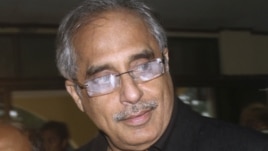
Vijay Nambiar, the U.N. envoy to Burma, leaves Sittwe Airport in Burma's Rakhine state, June 14, 2012.
BANKGOK - The U.N.’s special envoy to Burma, Vijay Nambiar, returned Thursday from a visit to Burma's western Rakhine state, where sectarian violence has killed 21 people and destroyed scores of homes.
Nambiar said he spoke with people caught up in the violence who are still "in a state of shock," and unwilling to return to their homes. There has been widespread violence in the area recently between Buddhists and Muslims, who are members of the ethnic minority known as the Rohingya.
Speaking to VOA by phone from the Burmese capital, Rangoon, he said the city of Maungdaw, where the conflict erupted, is now largely calm, but that the situation in the state's capital Sittwe is still tenuous and he was unable to visit some areas. Nambiar confirmed that 21 people died in the fighting.
Nambiar praised both the Border Affairs minister who traveled with him, and President Thein Sein, who responded by sending in the military to bring the situation under control, and declaring a state of emergency he described as "prompt, firm, and sensitive."
"This is an issue which has the potential of impacting on the entire reform process and requires to be handled very sensitively and in line with the international norms of international conduct," he said.
Burmese President Thein Sein said he is committed to equal justice and the rule of law in dealing with the aftermath of the conflict, he added.
Rohingya have long been viewed by the government and most Burmese as immigrants who are not entitled to citizenship or other benefits of the state. The recent fighting has led to a rash of inflamed rhetoric on websites and in domestic media coverage against Rohingya.
Violence broke out on June 3 when a mob of Buddhists in Rakhine allegedly attacked a bus and killed 10 Rohingya passengers in apparent retaliation for an earlier rape and murder of a Buddhist woman, allegedly by three Rohingya.
It will take time to address the longstanding ethnic and sectarian tensions, said Nambiar.
"I think increasingly everybody is conscious of the need to move away from such kind of ethnic stereotypes and characterizations of this nature because they realize that that is harmful to the entire project of reform," he said. "And I think while it is true that the messages that are being purveyed by being stressed by the top leadership need to filter down to the lower levels and there is still a lot of work to be done."
U.N. refugee agency official Preeta Law, a deputy representative in Burma, warned the fighting could have an impact on the effort to resettle Rohingya refugees now living in camps across the border in Bangladesh. "Of course in a situation of this kind of violence that's happened right now, in the immediate term, this would not be something that we would be looking at at this time," Law said.
Boats carrying women and children fleeing the violence have been turned back by the Bangladeshi government, despite the agency's plea to keep their border open.
BANKGOK - The U.N.’s special envoy to Burma, Vijay Nambiar, returned Thursday from a visit to Burma's western Rakhine state, where sectarian violence has killed 21 people and destroyed scores of homes.
Nambiar said he spoke with people caught up in the violence who are still "in a state of shock," and unwilling to return to their homes. There has been widespread violence in the area recently between Buddhists and Muslims, who are members of the ethnic minority known as the Rohingya.
Speaking to VOA by phone from the Burmese capital, Rangoon, he said the city of Maungdaw, where the conflict erupted, is now largely calm, but that the situation in the state's capital Sittwe is still tenuous and he was unable to visit some areas. Nambiar confirmed that 21 people died in the fighting.
Nambiar praised both the Border Affairs minister who traveled with him, and President Thein Sein, who responded by sending in the military to bring the situation under control, and declaring a state of emergency he described as "prompt, firm, and sensitive."
"This is an issue which has the potential of impacting on the entire reform process and requires to be handled very sensitively and in line with the international norms of international conduct," he said.
Burmese President Thein Sein said he is committed to equal justice and the rule of law in dealing with the aftermath of the conflict, he added.
Rohingya have long been viewed by the government and most Burmese as immigrants who are not entitled to citizenship or other benefits of the state. The recent fighting has led to a rash of inflamed rhetoric on websites and in domestic media coverage against Rohingya.
Violence broke out on June 3 when a mob of Buddhists in Rakhine allegedly attacked a bus and killed 10 Rohingya passengers in apparent retaliation for an earlier rape and murder of a Buddhist woman, allegedly by three Rohingya.
It will take time to address the longstanding ethnic and sectarian tensions, said Nambiar.
"I think increasingly everybody is conscious of the need to move away from such kind of ethnic stereotypes and characterizations of this nature because they realize that that is harmful to the entire project of reform," he said. "And I think while it is true that the messages that are being purveyed by being stressed by the top leadership need to filter down to the lower levels and there is still a lot of work to be done."
U.N. refugee agency official Preeta Law, a deputy representative in Burma, warned the fighting could have an impact on the effort to resettle Rohingya refugees now living in camps across the border in Bangladesh. "Of course in a situation of this kind of violence that's happened right now, in the immediate term, this would not be something that we would be looking at at this time," Law said.
Boats carrying women and children fleeing the violence have been turned back by the Bangladeshi government, despite the agency's plea to keep their border open.

Victoria Nuland
Spokesperson
Daily Press Briefing
Washington, DC
June 13, 2012
QUESTION: Just – can we get back on the issue of Burma?
MS. NULAND: Mm-hmm.
QUESTION: As we discussed yesterday, there have been a number of calls by the United States for an end to the violence, but specifically on the issue of Bangladesh, there have been some concerns about whether Bangladesh is giving access to Rohingya fleeing Burma. Is there anything that the U.S. has to say about its communication with Bangladesh on the issue?
MS. NULAND: Thanks for that, Shaun. We are concerned that Bangladeshi authorities appear to have intercepted and turned back persons fleeing the ethnic and religious violence in Burma. So we have been urging the Government of Bangladesh to respect its international obligations under the relevant refugee conventions and to continue its longstanding policy of non-refoulement of refugees. So those are points that we are making. We are also continuing to make the point to all sides in Burma that it is important to settle these issues not through violence but through dialogue, and to put down their arms and start talking to each other.
QUESTION: What was the word you used? Its longstanding policy of non-refoulement?
MS. NULAND: Refoulement. R-e-f-o-u-l-e-m-e-n-t. That’s a good Scrabble word.
QUESTION: What’s the level of communication with the Bangladeshis? Has it been through the Embassy in Dhaka or --
MS. NULAND: Yes. And I believe that we’ve also had communication from this building as well.
QUESTION: Is – this issue has come up now upstairs with the Indian foreign minister as far as situation in Burma is concerned?
MS. NULAND: They did talk about Burma and they did talk about the ethnic issues and the Rohingya issues when the Secretary had her brief meeting with Foreign Minister Krishna before starting the broader Security Dialogue.
Q&A between journalists and Daw Aung San Suu Kyi regarding the current conflict in Rakhine state.
Swedish Daily:
My question concerned on the situation in the Rakhine state, the ongoing violence if I may. Now that 28 people dead and the violence seemed to be more intensive. How aware are you that this violence would escalate and have an impact on the democratic development in Burma and what do you think should be done in order to protect the Muslim community form discrimination which is one reason for the conflict? Thank you.
DASSK:
Of course I am concerned as I think everybody else in Burma is about the present situation in Rakhine. I think the most important lesson we need to learn is the need for the rule of law. We have said again and again, my party the National League for Democracy, that rule of law is essential if we are to put an end to all conflicts in the country. Everybody must have access to the protection of the law, and of course they also have duties to abide by the laws of the land. So without rule of law, such communal strikes will only continue and the present situation will have to be handled with delicacy and sensitivity and we need the corporation of all people concerned to regain the peace back we want for our country. You also mention about the Kachin state I think. Hostilities in the Kachin state. I understand that there are negotiations between the government the KIO with the regard to ceasefire. I just want to underline that fact that a ceasefire is not enough. In the end we have to have a political settlement, if there is to be the kind of peace that will be lasting and meaningful.
Norwegian Television:
Do you accept the Rohingyas as Myanmarnese citizen?
DASSK:
I said earlier that what we need is rule of law in the country we need very clear and precise laws with regards to citizenship to begin with. But I would like to mention here a very practical problem that we have to resolve in the Rakhine state. I think one of the greatest problems comes from the fear on both sides of the border, that is to say Bangladesh as well as Burma, that there will be illegal immigrant crossing all the time, this is due to the porous border. I think we need more responsible and incorrupt border vigilance.
Bloomberg News:
I am Jennifer Friedman with Bloomberg News, I have two quick questions, and I like to know should the Rohingya have citizenship and secondly do you feel that TOTAL and Chevron should pull out of the ventures with Myanmar oil and gas enterprise? Thank you.
DASSK:
As to the first question, I have already said that this should be resolved in accordance with rule of law because we have to be very clear about what the laws of citizenship are and who are entitled to them and to all those who are entitled to citizenship should be treated as full citizens deserving all the rights that must be given to them.
XXXXXXXXXXXXXXXXXXXXXXXXXXXXXXXXXXXXXXXXXXXXXXXXXXXXXXXXXXXXXXXXXXXXXX

ေဒၚစု ILO မိန္႔ခြန္းေျပာၿပီး ရခိုင္ျပည္နယ္ႏွင့္ ႐ိုဟင္ဂ်ာအေရး ေျဖၾကား
မဇၥ်ိမသတင္းဌာန | ၾကာသပေတးေန႔၊ ဇြန္လ ၁၄ ရက္ ၂၀၁၂ ခုႏွစ္ ၁၉ နာရီ ၀၁ မိနစ္
မဇၥ်ိမသတင္းဌာန ။ ။ အမ်ဳိးသားဒီမိုကေရစီအဖြဲ႔ခ်ဳပ္ ဥကၠ႒ ေဒၚေအာင္ဆန္းစုၾကည္သည္ ကမၻာ့ အလုပ္သမား အဖြဲ႔ခ်ဳပ္ ILO ညီလာခံတြင္ ဇြန္လ ၁၄ ရက္ေန႔က နာရီဝက္ခန္႔ၾကာ မိန္႔ခြန္းေျပာဆိုၿပီး သတင္းစာ ရွင္းလင္းပြဲတခု လည္း ျပဳလုပ္ခဲ့သည္။
မိန္႔ခြန္းတြင္ ျမန္မာႏိုင္ငံမွာ အာဏာရွင္စနစ္မွ အသြင္ေျပာင္း အေရခြံလဲလာသည့္ ႏိုင္ငံမ်ားႏွင့္ ဆင္ တူေၾကာင္းေဒၚေအာင္ဆန္းစုၾကည္ က ေျပာလိုက္သည္။
၁၉၈၈ ခုႏွစ္တြင္ ျမန္မာႏိုင္ငံသို႔ ျပန္လည္အေျခခ်ခဲ့သည့္ ေဒၚေအာင္ဆန္းစုၾကည္၏ ပထမဆံုး ဥေရာပ ခရီးစဥ္ကို ဇြန္လ ၁၃ ရက္ေန႔က စတင္ခဲ့ၿပီး ဆြတ္ဇာလန္ႏိုင္ငံ ဂ်ီနီဗာၿမိဳ႕တြင္ ျပဳလုပ္သည့္ ILO ညီလာခံတြင္ တက္ေရာက္ မိန္႔ခြန္းေျပာဆိုခဲ့ျခင္း ျဖစ္သည္။
Bloomberg News:
I am Jennifer Friedman with Bloomberg News, I have two quick questions, and I like to know should the Rohingya have citizenship and secondly do you feel that TOTAL and Chevron should pull out of the ventures with Myanmar oil and gas enterprise? Thank you.
DASSK:
As to the first question, I have already said that this should be resolved in accordance with rule of law because we have to be very clear about what the laws of citizenship are and who are entitled to them and to all those who are entitled to citizenship should be treated as full citizens deserving all the rights that must be given to them.
XXXXXXXXXXXXXXXXXXXXXXXXXXXXXXXXXXXXXXXXXXXXXXXXXXXXXXXXXXXXXXXXXXXXXX

ေဒၚစု ILO မိန္႔ခြန္းေျပာၿပီး ရခိုင္ျပည္နယ္ႏွင့္ ႐ိုဟင္ဂ်ာအေရး ေျဖၾကား
မဇၥ်ိမသတင္းဌာန | ၾကာသပေတးေန႔၊ ဇြန္လ ၁၄ ရက္ ၂၀၁၂ ခုႏွစ္ ၁၉ နာရီ ၀၁ မိနစ္
မဇၥ်ိမသတင္းဌာန ။ ။ အမ်ဳိးသားဒီမိုကေရစီအဖြဲ႔ခ်ဳပ္ ဥကၠ႒ ေဒၚေအာင္ဆန္းစုၾကည္သည္ ကမၻာ့ အလုပ္သမား အဖြဲ႔ခ်ဳပ္ ILO ညီလာခံတြင္ ဇြန္လ ၁၄ ရက္ေန႔က နာရီဝက္ခန္႔ၾကာ မိန္႔ခြန္းေျပာဆိုၿပီး သတင္းစာ ရွင္းလင္းပြဲတခု လည္း ျပဳလုပ္ခဲ့သည္။
မိန္႔ခြန္းတြင္ ျမန္မာႏိုင္ငံမွာ အာဏာရွင္စနစ္မွ အသြင္ေျပာင္း အေရခြံလဲလာသည့္ ႏိုင္ငံမ်ားႏွင့္ ဆင္ တူေၾကာင္းေဒၚေအာင္ဆန္းစုၾကည္ က ေျပာလိုက္သည္။
၁၉၈၈ ခုႏွစ္တြင္ ျမန္မာႏိုင္ငံသို႔ ျပန္လည္အေျခခ်ခဲ့သည့္ ေဒၚေအာင္ဆန္းစုၾကည္၏ ပထမဆံုး ဥေရာပ ခရီးစဥ္ကို ဇြန္လ ၁၃ ရက္ေန႔က စတင္ခဲ့ၿပီး ဆြတ္ဇာလန္ႏိုင္ငံ ဂ်ီနီဗာၿမိဳ႕တြင္ ျပဳလုပ္သည့္ ILO ညီလာခံတြင္ တက္ေရာက္ မိန္႔ခြန္းေျပာဆိုခဲ့ျခင္း ျဖစ္သည္။
အမ်ဳိးသားဒီမိုကေရစီအဖြဲ႔ခ်ဳပ္ ဥကၠ႒ ေဒၚေအာင္ဆန္းစုၾကည္သည္ ကမၻာ့ အလုပ္သမား အဖြဲ႔ခ်ဳပ္ ILO ညီလာခံတြင္ နာရီဝက္ခန္႔ၾကာ မိန္႔ခြန္းေျပာဆိုၿပီး သတင္းစာ ရွင္းလင္းပြဲတြင္ ေတြ႔ရစဥ္ (Photo: ILO)
ျမန္မာႏိုင္ငံတြင္ ေရြးေကာက္ခံတပိုင္း အစိုးရ အုပ္ခ်ဳပ္မႈေအာက္တြင္ ရွိေနၿပီး ေတာင္အေမရိက ႏိုင္ငံမ်ားႏွင့္ အလား သ႑ာန္တူေၾကာင္း ILO ညီလာခံသို႔ တက္ေရာက္လာၾကသည့္ ႏိုင္ငံတကာ ပရိသတ္ၾကီးအား NLD ဥကၠ႒က မိန္႔ခြန္းတြင္ ထည့္သြင္းေျပာဆိုသြားသည္။
ေဒၚေအာင္ဆန္းစုၾကည္အေနျဖင့္ ျပည္သူ႔လႊတ္ေတာ္ ကိုယ္စားလွယ္တေယာက္ ျဖစ္ေနေသာ္လည္း ယခု မိန္႔ခြန္း မွာ ျမန္မာအစိုးရကိုယ္စား မဟုတ္ေၾကာင္း ေျပာဆိုလိုက္ရာ ညီလာခံခန္းမရွိ ပရိသတ္ႀကီးမွာ ရယ္သံမ်ား၊ ၾသဘာသံမ်ား ေသာေသာညံသြားခဲ့သည္။
နာရီဝက္ခန္႔ၾကာ မိန္႔ခြန္းေျပာဆိုၿပီးေနာက္ ေခတၱနားၿပီး သတင္းစာရွင္းလင္းပြဲတခုလည္း NLD ဥကၠ႒ က ျပဳ လုပ္ခဲ့ေသး သည္။
ထိုသတင္းစာရွင္းလင္းပြဲတြင္ လူအမ်ား စိတ္ဝင္တစား ရွိေနၾကသည့္ ျမန္မာႏိုင္ငံတြင္ လက္ရွိ ျဖစ္ပြား လ်က္ ရွိေသာ ရခိုင္ျပည္နယ္တြင္း ပဋိပကၡမ်ားႏွင့္ ႐ိုဟင္ဂ်ာအေရး တို႔ကိုလည္း ေဒၚေအာင္ ဆန္းစုၾကည္ က ေျပာ ဆိုသြားေသးသည္။
ရခိုင္အေရးမွာ တရားဥပေဒစိုးမိုးမႈ မရွိျခင္းေၾကာင့္ ျဖစ္ေၾကာင္း၊ ရခုိင္ေဒသ ပဋိပကၡမွာ ျမန္မာျပည္အတြက္ အေရးႀကီးတ့ဲ သင္ခန္းစာျဖစ္ေၾကာင္း၊ ျပန္လည္ ၿငိမ္းခ်မ္းဖုိ႔အတြက္ အားလုံး ပူးေပါင္း ေဆာင္ရြက္ ရ မည္ျဖစ္ေၾကာင္း သတင္းေထာက္တဦး၏ အေမးကို ေဒၚေအာင္ ဆန္းစုၾကည္ က ျပန္ လည္ ေျဖၾကား ခဲ့ျခင္း ျဖစ္သည္။
ျမန္မာႏိုင္ငံတြင္ ေရြးေကာက္ခံတပိုင္း အစိုးရ အုပ္ခ်ဳပ္မႈေအာက္တြင္ ရွိေနၿပီး ေတာင္အေမရိက ႏိုင္ငံမ်ားႏွင့္ အလား သ႑ာန္တူေၾကာင္း ILO ညီလာခံသို႔ တက္ေရာက္လာၾကသည့္ ႏိုင္ငံတကာ ပရိသတ္ၾကီးအား NLD ဥကၠ႒က မိန္႔ခြန္းတြင္ ထည့္သြင္းေျပာဆိုသြားသည္။
ေဒၚေအာင္ဆန္းစုၾကည္အေနျဖင့္ ျပည္သူ႔လႊတ္ေတာ္ ကိုယ္စားလွယ္တေယာက္ ျဖစ္ေနေသာ္လည္း ယခု မိန္႔ခြန္း မွာ ျမန္မာအစိုးရကိုယ္စား မဟုတ္ေၾကာင္း ေျပာဆိုလိုက္ရာ ညီလာခံခန္းမရွိ ပရိသတ္ႀကီးမွာ ရယ္သံမ်ား၊ ၾသဘာသံမ်ား ေသာေသာညံသြားခဲ့သည္။
နာရီဝက္ခန္႔ၾကာ မိန္႔ခြန္းေျပာဆိုၿပီးေနာက္ ေခတၱနားၿပီး သတင္းစာရွင္းလင္းပြဲတခုလည္း NLD ဥကၠ႒ က ျပဳ လုပ္ခဲ့ေသး သည္။
ထိုသတင္းစာရွင္းလင္းပြဲတြင္ လူအမ်ား စိတ္ဝင္တစား ရွိေနၾကသည့္ ျမန္မာႏိုင္ငံတြင္ လက္ရွိ ျဖစ္ပြား လ်က္ ရွိေသာ ရခိုင္ျပည္နယ္တြင္း ပဋိပကၡမ်ားႏွင့္ ႐ိုဟင္ဂ်ာအေရး တို႔ကိုလည္း ေဒၚေအာင္ ဆန္းစုၾကည္ က ေျပာ ဆိုသြားေသးသည္။
ရခိုင္အေရးမွာ တရားဥပေဒစိုးမိုးမႈ မရွိျခင္းေၾကာင့္ ျဖစ္ေၾကာင္း၊ ရခုိင္ေဒသ ပဋိပကၡမွာ ျမန္မာျပည္အတြက္ အေရးႀကီးတ့ဲ သင္ခန္းစာျဖစ္ေၾကာင္း၊ ျပန္လည္ ၿငိမ္းခ်မ္းဖုိ႔အတြက္ အားလုံး ပူးေပါင္း ေဆာင္ရြက္ ရ မည္ျဖစ္ေၾကာင္း သတင္းေထာက္တဦး၏ အေမးကို ေဒၚေအာင္ ဆန္းစုၾကည္ က ျပန္ လည္ ေျဖၾကား ခဲ့ျခင္း ျဖစ္သည္။
ထို႔ျပင္ ေဒၚေအာင္ဆန္းစုၾကည္က ဘဂၤလားေဒ့ရွ္ႏွင့္ ျမန္မာႏိုင္ငံၾကား နယ္စပ္အေရး ကိစၥမ်ား တြင္ ႏွစ္ဖက္လံုး ၏ အား နည္းခ်က္မ်ားရွိခဲ့ သည့္ အတြက္ တရားမဝင္ ဝင္ေရာက္လာသူမ်ား အခ်ိန္ တိုင္းတြင္ ရွိ ခဲ့ေၾကာင္း၊ ႏုိင္ငံသား တေယာက္ ျဖစ္ရန္အတြက္ ႏုိင္ငံသားျဖစ္ခြင့္ႏွင့္ စပ္ဆိုင္သည့္ ဥပေဒမ်ား အမွန္တကယ္ အသက္ဝင္ဖို႔ လိုအပ္ေၾကာင္း ထည့္သြင္းေျပာဆိုသြားသည္။
႐ိုဟင္ဂ်ာမ်ားမွာ ျမန္မာႏုိင္ငံမွ တိုင္းရင္းသားမ်ား မဟုတ္ေၾကာင္း ျမန္မာအစိုးရက ေၾကညာထားသည္။
ရခိုင္ျပည္နယ္ ပဋိပကၡမ်ားအတြင္း ဇြန္လ ၈ ရက္ေန႔မွ ၁၁ ေန႔အထိ လူေပါင္း ၂၁ ဦး ေသဆံုးခဲ့ၿပီး ၂၁ ဦး ဒဏ္ရာရရွိခဲ့ သည္ဟု ႏိုင္ငံပိုင္ သတင္းစာမ်ားက ေရးသားသည္။ ယင္းအျပင္ လူေနအိမ္ ၁၆၆၂ လံုး၊ ဆိုင္ခန္း ေျခာက္ခန္း၊ ဆိုင္ကယ္ ၁၈ စီး၊ ေထာ္လာဂ်ီ သံုးစီး၊ စက္ဘီး ကိုးစီးတို႔လည္း ပ်က္စီးခဲ့ရသည္ဟု ဆိုသည္။
ေဒၚေအာင္ဆန္းစုၾကည္၏ ခရီးစဥ္တြင္ ေနာ္ေဝႏိုင္ငံ၊ ေအာ္စလိုၿမိဳ႕သို႔ ဇြန္လ ၁၅ ရက္ေန႔တြင္ သြားေရာက္ကာ ၁၉၉၁ ခုႏွစ္က ရရွိခဲ့သည့္ ၿငိမ္းခ်မ္းေရးႏိုဘယ္ဆုအား ကိုယ္တိုင္လက္ခံရယူကာ မိန္႔ခြန္းေျပာၾကားမည္ ျဖစ္သည္။
ထို႔ေနာက္ ဇြန္လ ၁၈ ရက္ေန႔တြင္ အိုင္ယာလန္ႏိုင္ငံ၊ ဒဗၺလင္ၿမိဳ႕သို႔ သြားေရာက္ကာ ကမၻာေက်ာ္ U2 ေတးဂီတအဖြဲ႔၏ေဖ်ာ္ေျဖပြဲသို႔ တက္ေရာက္ၿပီး အျပည္ျပည္ဆိုင္ရာ လြတ္ၿငိမ္းခ်မ္းသာခြင့္အဖြဲ႔ IA က ခ်ီးျမႇင့္ထားၿပီး ျဖစ္သည့္ Ambassador of Conscience ဆုကို လက္ခံရယူမည္ျဖစ္သည္။ ထိုဆုကို U2 ေခါင္းေဆာင္ ေရာ့ခ္ အဆိုေတာ္ Bono က ေပးအပ္ရန္ စီစဥ္ထားသည္။
ထိုေန႔တြင္ပင္ ၿဗိတိန္ႏိုင္ငံသို႔ ခရီးဆက္၍ ဇြန္လ ၂၆ ရက္ေန႔ထိ ေနထိုင္မည္ ျဖစ္သည္။ ထိုအေတာအတြင္း ဇြန္လ ၁၉ ရက္ေန႔တြင္ က်ေရာက္သည့္ ၆၇ ႏွစ္ေျမာက္ ေမြးေန႔ကိုလည္း သားႏွစ္ေယာက္ႏွင့္အတူ က်င္းပရန္ရွိၿပီး ဇြန္ ၂၁ ရက္ေန႔တြင္ ၿဗိတိန္ လႊတ္ေတာ္ႏွစ္ရပ္သို႔ မိန္႔ခြန္းေျပာၾကားမည္ ျဖစ္သည္။
ထို႔ျပင္ BBC Reith lectures တြင္ “သေဘာထားကြဲလြဲမႈႏွင့္ လြတ္လပ္မႈ” ဟူသည့္ ေခါင္းစဥ္ျဖင့္ ပို႔ခ်ရန္ စီစဥ္ထားၿပီးေဒၚေအာင္ဆန္းစုၾကည္ အလြန္ႏွစ္သက္ေသာ BBC ေတးဂီတ အစီအစဥ္တခု ျဖစ္သည့္ A Jolly Good Show ၏ အစီအစဥ္မႉး Hairy Cornflake ႏွင့္လည္း ေတြ႔ဆံုႏိုင္မည္ ျဖစ္သည္။
ယခုခရီးစဥ္၏ ေနာက္ဆံုးႏိုင္ငံျဖစ္သည့္ ျပင္သစ္ႏိုင္ငံ ပဲရစ္ၿမိဳ႕တြင္ သမၼတ Francois Hollande ၏ ဧည့္သည္အျဖစ္ ဇြန္လ ၂၉ ရက္ေန႔ထိ ေနထိုင္မည္ ျဖစ္သည္။
ဥေရာပ ငါးႏိုင္ငံ ခရီးစဥ္ ၿပီးဆံုး၍ ျမန္မာႏိုင္ငံသို႔ ျပန္ေရာက္သည့္အခါ ျပည္သူ႔လႊတ္ေတာ္ႏွင့္ ျပည္ေထာင္စု လႊတ္ေတာ္ ပံုမွန္အစည္းအေဝးမ်ားသို႔ ဇူလိုင္လ ၄ ရက္ေန႔တြင္ စတင္တက္ေရာက္ေဆြးေႏြးႏုိင္ မည္ ျဖစ္သည္။
Sources:
-
 "Although mass killings and exterminations of human races were some sort of things that the world experienced during Nazi German p...
 -
 RB News March 31, 2018 Minbya, Arakan State : On March 30 morning, a Prayer Leader or Imam was brutally beaten and injured by a Rakh...
 -
 ပါလီမန္အမတ္ဦးေရႊေမာင္ၿပည္သူ႔လြတ္ေတာ္တြင္ရခိုင္ၿပည္နယ္၌ၿဖစ္ပြါးခဲ့ေသာအေရးအခင္းနဲ့ ပတ္သက္၍ေဆြးေနြးတင္ၿပၿခင္း။ (14th day of regular ses...
 -
 ဇြန္လ ၁၇ ရက္ ၊ ၂၀၁၂ Source: guardian.co.uk ျမန္မာျပည္သစ္အတြက္ အနာဂတ္မွာ ေအာင္ျမင္မွာလား၊ က်ရွဳံးမွာလားဆိုသည္ကို ညႊန္ျပေသာ စမ္းသပ္မွဳ တစ...
 -
 More than 400,000 Rohingya have fled from Myanmar to neighbouring Bangladesh By BBC News September 17, 2017 Myanmar's de ...
 -
 At Baggona, a village three miles far from and lies to the South of Maung Daw of Arakan state, more than 80 Rohingya women and girls have be...
 -
 The custodian of Two Holy Mosques King Abdullah bin Abdul Aziz Al Saud Aug 11 The custodian of Two Holy M...
 -
ရက္စြဲ – ေမ ၂၉ ၊ ၂၀၁၂ သို ့ အယ္ဒီတာ၊ နိရဥၥရာ သတင္းဌာန နိရဥၥရာ သတင္းဌာနမွ ေမလ ၂၉ ရက္ေန ့ ထုတ္ျပန္သည့္ ရမ္းျဗဲတြင္ အသက္ ၁၆ ႏွ...
-
 RB ANDROID APPLICATION LAUNCHED… Now, RB News Can Be Read On Smartphone With Android OS. RB News July 4, 2013 Here is a g...
 -
 Thousands of Rohingya flee religious persecution in Myanmar, many dying along the way. Thanks to Anonymous, #RohingyaNOW is trending on ...

Popular Posts
Threatwiki

Amartya Sen: Burma's "slow genocide" of Rohingyas

Watch Professor Amartya Sen speak on what he calls Burma's 'slow genocide' of Rohingya, Harvard, 4 Nov 2014

